Return Window Length: 14, 30 or 60 Days?
By the ZeDaq.ai team · · 7 min read
On this page
- What does a return window actually do?
- How do 14, 30 and 60 days compare?
- What should you consider before choosing?
- Is a longer window worth it?
- How can you make a short window feel fair?
- What is a worked example of choosing a window?
- What mistakes do stores make with return windows?
- How do you test a change?
- How should you communicate the window to customers?
- How do you write the policy?
- How does product page content affect the window you need?
- What should you do about final-sale items?
- What is a sensible default?
Choose the shortest return window that still feels fair to shoppers and works with your delivery times. For most fashion stores that means a window long enough to cover shipping plus a real chance to try the item, without leaving stock tied up for months.
There is no single right answer, because it depends on your products, your markets and your seasons. This guide gives you a framework to compare the options. Preventing the wrong-size order in the first place also shortens the whole conversation, as covered in AI size recommendation for fashion stores.
What does a return window actually do?
A return window is the period after delivery in which a customer can ask to return an item. It does three things:
- It tells shoppers how safe it is to order.
- It sets how long returned stock may be unavailable.
- It limits how long you carry the risk of a refund.
A longer window feels safer to shoppers but ties up inventory. A shorter window protects your stock and cash flow but may deter hesitant buyers.
How do 14, 30 and 60 days compare?
The table compares typical trade-offs. It is a reasoning aid, not data from a study.
| Window | Shopper view | Store view | Best for |
|---|---|---|---|
| 14 days | Tight, works if delivery is fast | Fast restocking, low exposure | Fast-moving fashion, limited drops |
| 30 days | Common and easy to understand | Balanced | Most everyday clothing |
| 60 days | Very reassuring | Slow restocking, more risk of seasonal stock going stale | Gifts, high-ticket items, holiday periods |
Starting from delivery or from order date?
Count from delivery, not order. Counting from the order date punishes shoppers when shipping is slow, especially for international orders.
What should you consider before choosing?
How long does delivery take?
If an order takes a week to arrive, a 14-day window gives the shopper about a week with the item. That may be too short, particularly for international orders. Make sure the window starts at delivery.
How seasonal is your range?
Seasonal stock loses value fast. A long window on winter coats can mean returns arrive after the season has passed. If you run drops, a shorter window may suit you.
How fast can you process returns?
Returned items must be inspected, cleaned and restocked. If that takes you weeks, a long window stacks the delay.
What do your competitors offer?
Look at what similar brands in your market publish on their own sites. Matching them is often enough. You do not need to exceed them.
What are the legal minimums in your country?
Consumer law in many countries sets minimum rights for online purchases. These rules differ by country and by state, so check your local consumer authority. For example, the UK government guidance on returns and refunds, checked November 2026, says buyers online, by mail or by phone can cancel within 14 days of receiving an item, even if it isn't faulty. This is general information, not legal advice. Your policy must meet or exceed your local rules.
Is a longer window worth it?
It can be if it brings in buyers who would otherwise hesitate. But there's a cost, and many returns are fit-related. If shoppers can see what size to order, they may need the window less.
That is why sizing and window length work together. See fit-related returns for where they come from.
How can you make a short window feel fair?
- State it clearly on the product page, in the cart and in the confirmation email.
- Count from delivery.
- Offer exchanges as an easy alternative. See exchanges instead of refunds.
- Send a reminder before the window closes.
- Give a short grace period for orders delayed in transit.
Should the window change at holidays?
Some stores extend it for gifts. If you do, say clearly when the extended window starts and ends, and reset it afterward. The article on holiday returns and extended windows goes deeper.
What is a worked example of choosing a window?
The details below are invented to show the reasoning, not real store data. Imagine three stores.
A small label that sells limited drops
Each drop sells out and unsold stock is rare. The label needs returned items back on sale quickly, before interest fades. A shorter window counted from delivery suits it, paired with an easy exchange option.
A store selling everyday basics
Items are always in stock and demand is steady. Returned items can go straight back on the shelf. A middle window is easy to explain, and the store has little reason to shorten it.
A store selling gifts and occasion wear
Customers buy ahead of events and may not open the parcel for weeks. A longer window, or an extended one during gifting season, matches how people buy. The store accepts that stock may be tied up longer.
The method is the same each time: look at how fast stock moves, how long shoppers need, and what you can handle.
What mistakes do stores make with return windows?
- Counting from the order date on slow international shipping.
- Hiding the window in small print.
- Changing it often, which confuses customers.
- Offering a long window without a plan for processing returns.
- Ignoring local law on minimum rights.
Clear and stable beats generous and confusing.
How do you test a change?
Don't change your window on a hunch. A simple method:
- Record your current window and your current return and exchange totals.
- Change one thing at a time, such as the window length or the start date.
- Run it for a full season so results aren't distorted by a holiday.
- Compare returns, exchanges, customer support messages and restocked stock.
- Decide with your own numbers.
Avoid copying results from other stores. Their products, prices and customers differ from yours.
How should you communicate the window to customers?
Show the window in three places: on the product page near the add-to-cart button, in the checkout, and in the order confirmation email. Use the same wording each time, so shoppers see one consistent promise.
After delivery, send a short reminder as the window nears its end. This helps customers who intended to return something and prevents disputes about missed deadlines. Keep the tone friendly and factual.
Train your support team on the exact rules. If staff give different answers, the policy loses its value no matter how long the window is.
How do you write the policy?
Keep it short and plain:
- The number of days and when counting starts
- Which items are eligible and in what condition
- How to start a return
- Who pays return shipping (see how to communicate return shipping fees)
- How and when the refund arrives
- How exchanges work
Link it from the product page, cart and footer. A prepaid label option can also change how shoppers see the policy; compare it in prepaid return labels vs customer-arranged returns.
How does product page content affect the window you need?
Shoppers who know what they are buying return less often for avoidable reasons. Good photos, honest fit notes and a size tool answer questions early. The product page checklist for fashion stores lists what to include.
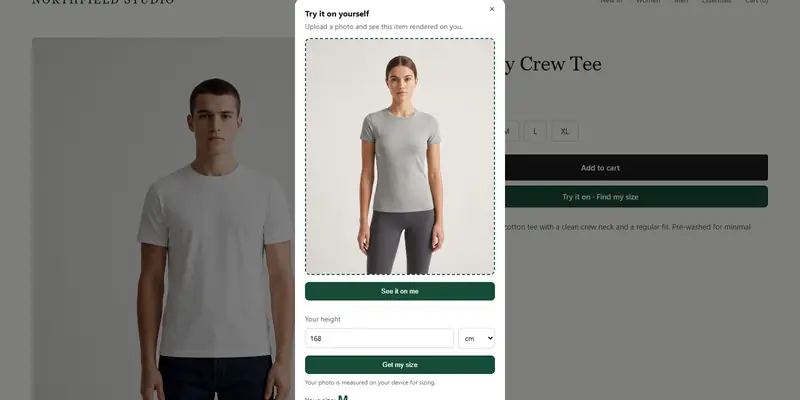
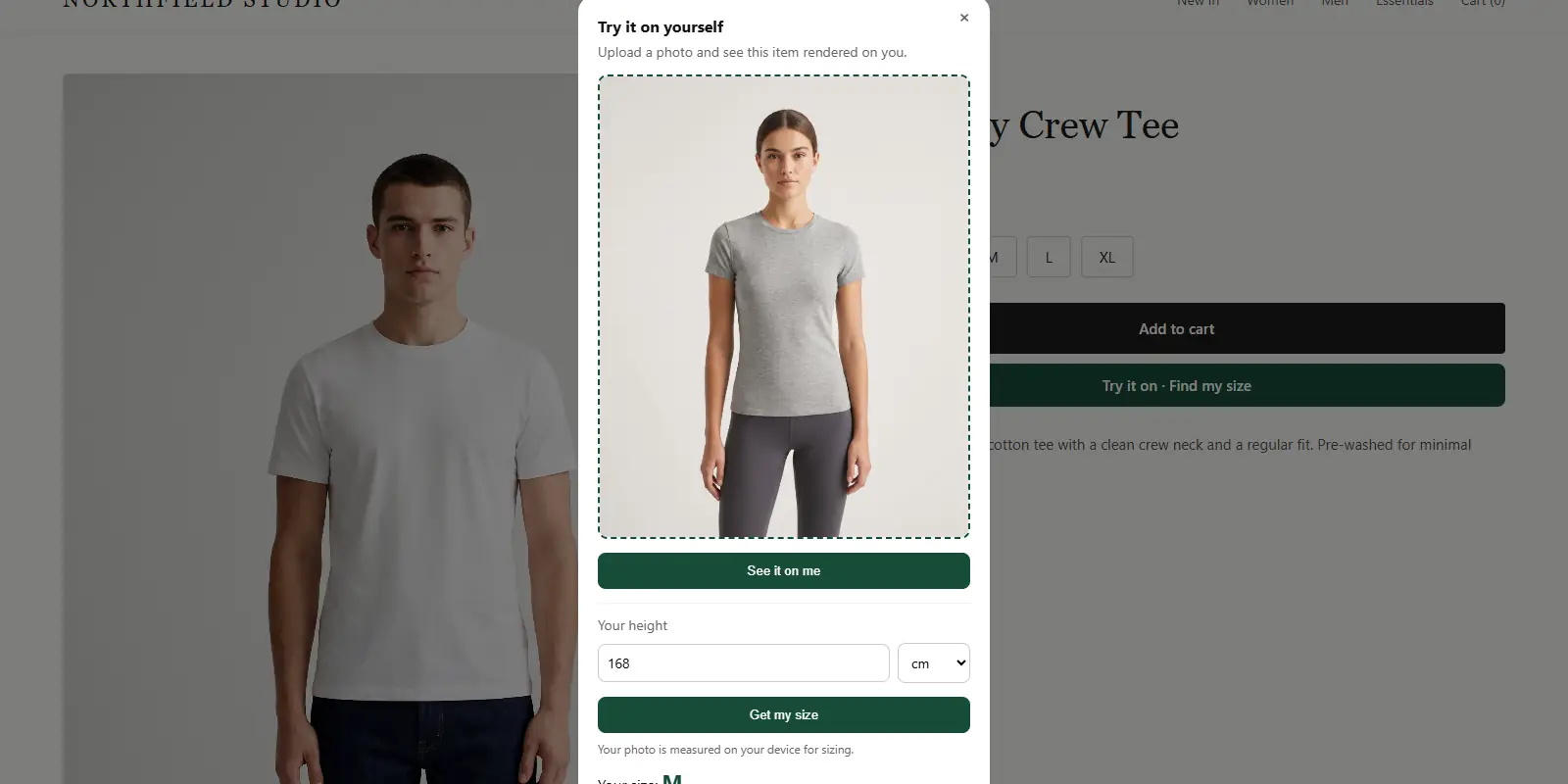
ZeDaq.ai gives shoppers a size recommendation from a 30-second body scan and a try-on image of your real garment. We don't claim a specific effect on returns. It's a tool for giving shoppers more information before they buy.
What should you do about final-sale items?
Some stores mark certain items as final sale, such as clearance pieces or underwear. If you do this, label it on the product page before purchase, not only in the policy. Shoppers accept clear rules they see early, and they resent surprises at the return stage.
Check your local consumer rules before excluding items, because some exclusions may not be allowed where you sell.
What is a sensible default?
If you are starting out, a window counted from delivery and long enough for shoppers to try the item at home is a sound default. Review it after a season, using your own return data. Keep it only if it works for your cash flow and your customers.
Give shoppers a size before they order
FAQs
Is 30 days the standard?
It is common, but not universal. Check what competitors in your market offer and the legal minimums where you sell.
Should the window start at delivery or purchase?
Delivery is fairer to shoppers, especially for international orders.
Can I use different windows for different products?
Yes, but keep it simple. If you do, show the window on each product page.
Does a longer window increase returns?
It may, but we don't have store-specific data. Test it on your own numbers.
Do I need a window by law?
Rules vary by country. Check your local consumer authority; this is not legal advice.
Try ZeDaq.ai free
Virtual try-on and Find my size for your store, plus client, order and invoicing tools for tailors, in one subscription.