Cash on Delivery Returns in Africa
By the ZeDaq.ai team · · 5 min read
On this page
Cash on delivery (COD) returns happen mostly because a buyer refuses the parcel at the door or can't be reached, not because they open it and send it back. To handle them, confirm every order before dispatch, set clear rules for refusals, and fix the size mistakes that make people turn parcels away.
This guide is for fashion sellers who take COD orders in African markets. Many COD refusals trace back to fit, which is why AI size recommendation for fashion stores can matter even before the parcel ships. We don't quote refusal rates here, because we couldn't verify any reliable figures. Use your own records instead.
Why do COD orders come back?
A COD order comes back when the sale is not completed at the door. The common causes are:
- The buyer isn't there. They are out, or the address was unclear.
- The buyer changed their mind. The impulse has passed by the time the parcel arrives.
- The buyer can't pay. The cash isn't ready at the door.
- The item isn't what they expected. The size, color or quality looks different.
- The order wasn't real. Someone placed it as a test or by mistake.
Because no money has changed hands, refusing costs the buyer nothing. You carry the shipping cost both ways.
How is a COD return different from a normal return?
A normal return happens after the buyer has paid and accepted the item. A COD refusal happens before payment.
| Point | Normal return | COD refusal |
|---|---|---|
| Has the buyer paid? | Yes | No |
| Has the buyer worn or tried the item? | Possibly | Usually only seen at the door |
| Who pays delivery? | Set by your policy | You, unless your terms say otherwise |
| Is the item usually resalable? | Depends on condition | Usually, if sealed |
| What fixes it? | Better fit information | Better order confirmation and fit information |
How do you confirm COD orders before dispatch?
Add a confirmation step. It takes a few minutes and avoids a wasted trip.
- Call or message the buyer right after the order.
- Confirm the item, size, color, price and delivery fee.
- Confirm the full address and a phone number that will be answered.
- Ask them to reply "yes" to confirm.
- Ship only after you have the reply.
Keep a note of each confirmation with the order. Our guide on returns for Instagram and WhatsApp sellers explains how to record this kind of agreement.
What rules should you set for COD?
Write your COD terms in short sentences and show them at order time.
- Who pays delivery if the parcel is refused
- How long the buyer has to be reachable
- What happens after two failed delivery attempts
- Whether repeat refusers can still order on COD
- Which items are prepaid only, such as custom pieces
Some sellers ask for a small prepaid deposit on higher-value orders. If you do, say so clearly and check the payment options in your country. Regulations on distance selling and payments differ across African countries, and we don't give legal advice, so check your own government's consumer authority.
How do you reduce size-related refusals?
Wrong size is a problem you can reduce before dispatch. Ask for measurements, compare them with a size chart and tell the buyer which size you recommend.
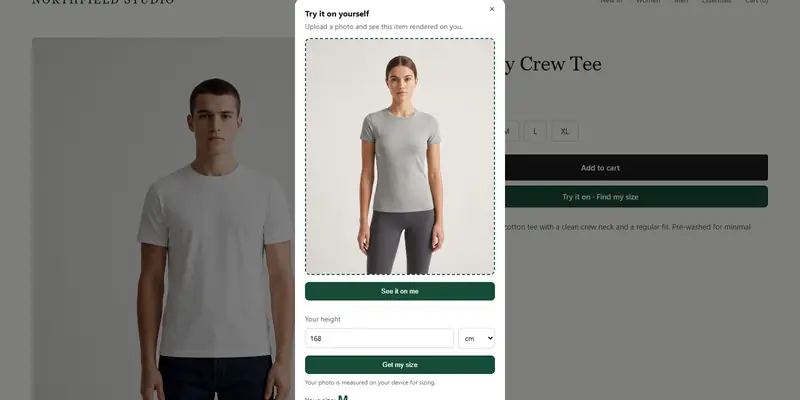
On a website, a size tool can do the first part. ZeDaq.ai gives a size recommendation from a 30-second body scan, with one photo and the shopper's height, matched to your own size chart. A shopper who has already seen their recommended size is less likely to be surprised at the door. We make no claim about how much that changes refusal rates, because it depends on your products and customers.
To understand how fit problems start, read fit-related returns and where they come from. For listings, the product page checklist for fashion stores shows which photos and fit notes to add.
How do you track COD risk?
A simple log tells you where the problem is. Record these for each COD order:
- Order date and area
- Item and size
- Whether you confirmed it before dispatch
- Delivery outcome: accepted, refused or not reached
- Reason, if known
After a month, count the outcomes by area and by product. You may find that one district, one courier or one garment type accounts for most refusals. Then fix that first.
How do logistics options affect COD?
Your courier choice changes who handles the cash, how many delivery attempts are made and how fast a refused parcel comes back. Ask each courier how they handle refusals, what they charge for a returned parcel and how soon they remit cash.
For one market in detail, see fashion returns in Nigeria and logistics options. Whatever you choose, get the terms in writing.
Should you stop offering COD?
Not necessarily. COD helps shoppers who don't trust paying before they see the goods, or who don't have a card. Removing it may remove those customers too.
A middle path is to keep COD for confirmed customers and low-risk areas, and ask for prepayment on risky orders. Review your log every month and adjust the rule.
Help shoppers pick the right size before they order
FAQs
What is cash on delivery?
It is a payment method where the buyer pays the courier or seller in cash when the parcel arrives, not at checkout.
Who pays when a COD parcel is refused?
That depends on your terms. Many sellers cover the first failed delivery and charge repeat refusers, but you should state the rule at order time.
Can I ask for a deposit on COD orders?
Yes, many sellers do for custom or higher-value items. State it before the order is confirmed and use a payment method your buyer trusts.
Does a size recommendation stop refusals?
It can help with refusals caused by size, but not with those caused by absence, change of mind or cash problems. Track your own numbers to see the effect.
Try ZeDaq.ai free
Virtual try-on and Find my size for your store, plus client, order and invoicing tools for tailors, in one subscription.