Holiday Returns: Extended Windows Without the Headache
By the ZeDaq.ai team · · 4 min read
On this page
A good holiday return policy uses extended windows with one clearly stated end date, such as the end of January, instead of adding extra days to every order. That keeps the shopper confident when buying gifts and keeps your team's workload predictable.
This guide helps you set the dates, write the rules and cut avoidable returns before they happen. Wrong sizes are a common reason clothing comes back, so fixing fit up front helps, and AI size recommendation for fashion stores is one way to do that.
Why do stores extend return windows for the holidays?
Gifts are bought weeks before they are opened. If your normal window ends before the recipient tries the item on, they cannot return it, and the buyer hesitates to order.
An extended window removes that doubt. The trade-off is that returns arrive later and in a bunch, so you need a plan for stock, refunds and cash flow.
How do you pick start and end dates?
Use one window for all holiday orders. Tie it to the order date, not the delivery date, so the rule is easy to explain.
Here is an illustrative structure, not a recommendation of specific dates:
| Part | Example wording |
|---|---|
| Start | Orders placed from the start of November |
| Last order date | The last day you ship in time for the holidays |
| Return by | A fixed date in January |
Choose dates that match your sales pattern and your team's capacity. Put them on the policy page, the cart and the order confirmation email.
What rules should you write down?
Short rules prevent most arguments. Cover these points:
- Condition. Items must be unworn, with tags attached.
- Proof. Order number or a gift receipt.
- Sale items. State whether they are included.
- Refund method. Original payment, store credit or exchange.
- Who pays shipping. Say it plainly.
If you aren't sure how return shipping affects your costs, prepaid return labels vs customer-arranged returns compares the two approaches.
How do you handle gift returns?
Gift recipients don't have the buyer's order email. Make it easy for them:
- Offer a gift receipt that shows the item but not the price.
- Let the recipient start a return or exchange with an order number.
- Offer store credit or an exchange for gifts if you wish to keep the sale.
- Tell them how to find the size on the garment.
Exchanges usually cost less than refunds, so lead with them. If you run on Shopify, see how to set up a size exchange flow for a practical approach.
How do you reduce the number of holiday returns?
Clothing comes back for a few common reasons: the wrong size, the item looking different from the photos, or a change of mind. You can't control the third, but you can work on the first two.
- Make the size chart easy to find on every product page, in body measurements.
- Add fit notes such as "runs small" when your team knows it.
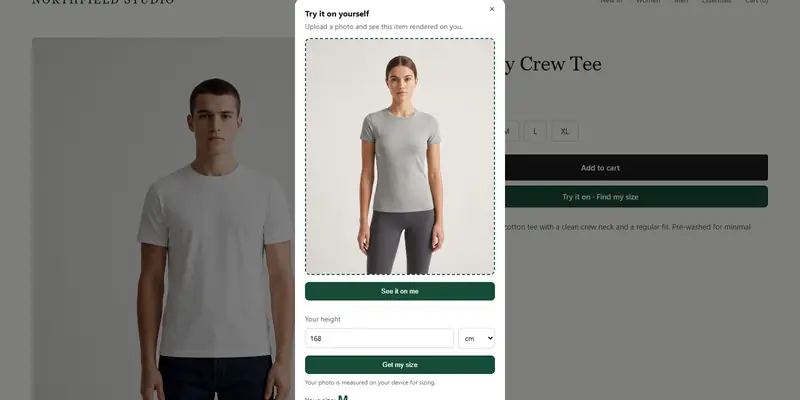
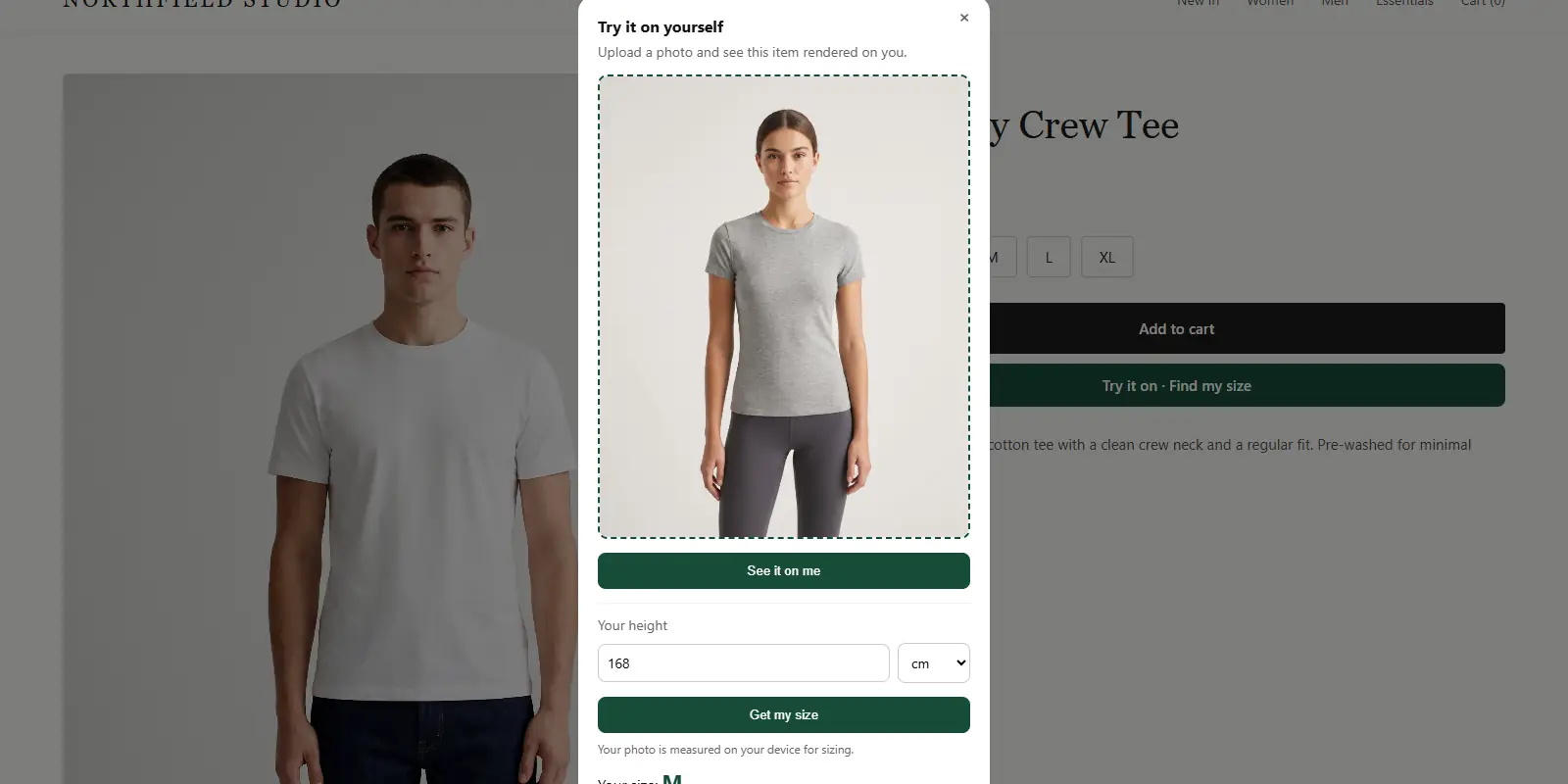
- Show the garment on a body. A virtual try-on lets the shopper upload one photo and see your real garment on themselves.
- Offer a size recommendation. ZeDaq.ai scans the shopper from one photo plus height and matches them to your own size chart, or a generic UK/US/EU/AU chart as a fallback.
Fit tools help shoppers decide with more information, though they can't remove every return. For the wider picture, read how virtual try-on reduces clothing returns. To count what each return costs you, see the true cost of a clothing return.
How do you handle the January rush of returned stock?
Returned items come back in bunches, so plan the work in advance. Inspect and sort each item as it arrives into three piles: resell as new, resell as a second, or discard.
Update your stock counts the same day, so you don't oversell items still in the post. Send refunds on a schedule you can keep, and tell customers when to expect them.
Track the reasons customers give. If one style comes back often for size, fix the chart or the fit note for it before the next season.
What should you do before the rush?
Work through this checklist in the weeks before your first holiday order:
- Update the return policy page, and add the dates to cart and emails.
- Brief support on the gift and exchange rules.
- Plan space and staff for returned stock in January.
- Decide how you will restock and re-photograph items with damage.
- Test the return flow yourself with a dummy order.
Help shoppers pick the right size before they buy
FAQs
How long should a holiday return window be?
There is no set length. Choose a fixed end date that gives gift recipients time after the holidays, and one your team can support.
Should the window start at the order date or delivery date?
The order date is easier to explain and track. Whichever you choose, state it clearly on the policy page and in the confirmation email.
Do I have to offer free returns during the holidays?
That is your business decision, unless your local rules require something specific. Check your country's consumer rules for the minimum you must offer.
Can I exclude sale items from the extended window?
Many stores do. If you do, say so clearly in the policy and next to the price on sale items.
Try ZeDaq.ai free
Virtual try-on and Find my size for your store, plus client, order and invoicing tools for tailors, in one subscription.