
How to Price a Wedding Dress as a Dressmaker
By the ZeDaq.ai team · · 4 min read
On this page
To price a wedding dress, add up your materials, your working hours at a fair hourly rate, a share of your overheads and a profit margin, then add a buffer for changes. Quote that total in writing and collect it in stages.
This works for any dressmaker, whatever the market. It focuses on bridal work, where the hours are long and the risk is high. If you also want help running clients and orders, see the tailor business tools from ZeDaq.ai.
Why is a wedding dress harder to price than other garments?
A bridal gown has more stages than most commissions. It needs a design, a toile (a test version in cheap fabric), several fittings and often hand finishing. A date is fixed, so you cannot reschedule if something goes wrong.
Three things catch dressmakers out:
- Time. Fittings, fabric shopping and client messages take hours that never reach the sewing table.
- Change. Brides change their minds on neckline, length or fabric.
- Weight changes. Bodies change before a wedding, so you may need extra alterations.
Price for all three or you will work for free.
How do you build the price step by step?
Use this worksheet for every dress. Fill in your own numbers.
- Materials. Fabric, lining, interfacing, boning, zip or buttons, lace, trims, thread and packaging. Add a little extra for waste and mistakes.
- Pattern and toile time. The hours to draft or adapt the pattern and sew the test version.
- Construction time. Cutting, sewing and hand finishing. Estimate hours per stage rather than one total.
- Fittings. The hours of each fitting, plus the changes you make after each one.
- Client time. Consultations, messages, and any trips to suppliers.
- Overheads. A share of rent, power, tools, insurance, software and marketing.
- Profit margin. Money for the business, over and above your wage.
- Buffer. A set percentage added for changes and surprises.
Add steps 2 to 5 together, multiply by your hourly rate, then add materials, overheads, margin and buffer.
How do you set your hourly rate?
Work backward from what you need to earn. Take the income you want per year, add your business costs, and divide by the hours you can actually bill. Billable hours are fewer than hours worked, because admin, cleaning and sourcing are unpaid.
For local pay rates and market ranges, use your country's official statistics or a published trade survey, and link your source in your own notes. Do not copy a rate from another dressmaker without knowing their costs.
Which parts of the dress change the price most?
Use a table to explain this to clients. It makes the quote feel fair.
| Choice | Why it changes the price |
|---|---|
| Fabric type | Silk, lace and beaded fabrics cost more and need more care |
| Structure | Boned bodices and corsets take longer than simple cuts |
| Skirt volume | More fabric, more hemming, more time |
| Hand finishing | Beading and appliqué add many hours |
| Number of fittings | Each one adds time |
| Rush timeline | Moves other work, so it carries a premium |
Show the client how the price changes when she picks a simpler option. It often leads to a better design choice, and a happier client.
How should you structure payments?
Take payment in stages, so you are never out of pocket on materials. A common structure is a deposit when the order is confirmed, a payment before cutting the final fabric, and the balance before the final handover.
Write the schedule into your quote. State what happens if the date moves, what changes cost extra, and what the deposit covers. Check any consumer rules in your country before you set refund terms.
Tools help here. The article on dressmaker software for clients, fittings and orders shows how to track every fitting and payment in one place, and a bespoke suit pricing guide shows the same method applied to menswear.
How do you justify a high price to a bride?
Show the work. Photograph the toile, the inside finishing and the hand stitching. Explain that she is paying for a garment made for one body, not picked from a rack.
Fit is the heart of this. For what a bride should expect at fittings, share the guide on how a wedding dress should fit with your clients.
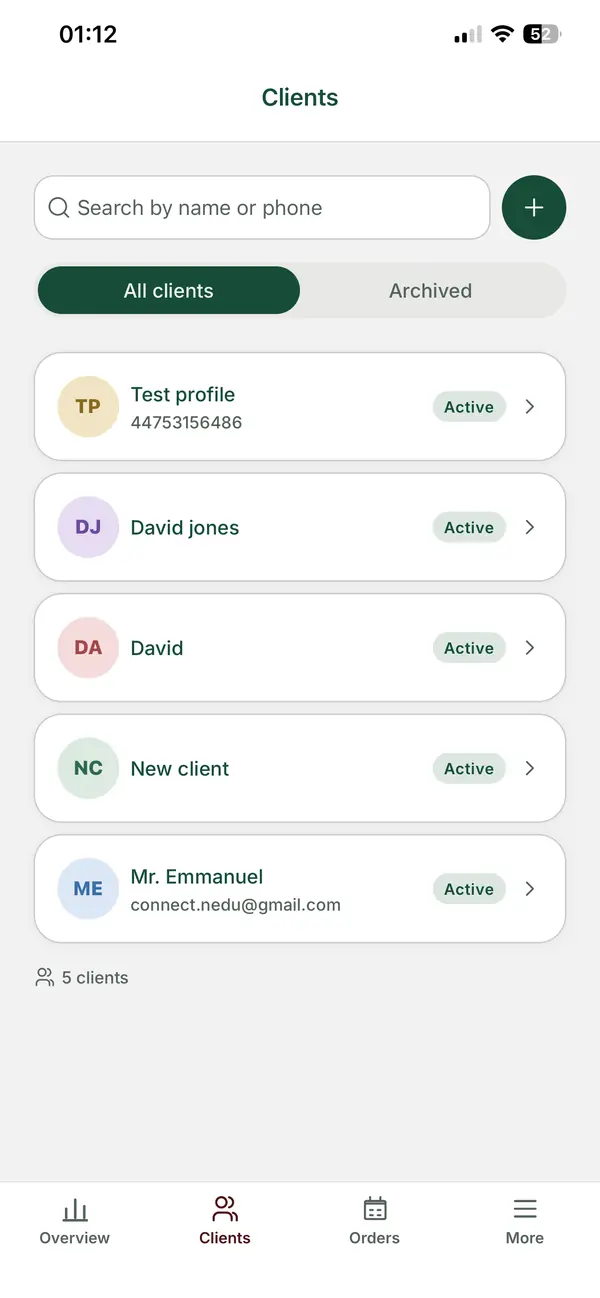
If you work with clients abroad, you can issue invoices in several currencies, including NGN, GBP and USD, through the ZeDaq.ai tailor tools. They also include a client CRM and an orders and delivery calendar.
Keep clients, fittings and invoices in one place
FAQs
Should I charge by the hour or a flat price?
Work out the price by the hour, then quote a flat price. Clients prefer a single figure, and you stay protected by listing what is included.
Should I charge for the toile?
Yes. It takes real time and materials, and it protects the final fabric. Either include it in the price or list it as a separate line.
How much deposit should I ask for?
Ask for enough to cover your materials and the first stage of work. The exact share is your decision, so put it in writing.
What if the bride changes size before the wedding?
Say in your quote that a number of adjustments are included, and extra changes are charged. Book a final fitting close to the date.
Try ZeDaq.ai free
Virtual try-on and Find my size for your store, plus client, order and invoicing tools for tailors, in one subscription.

