
How to Price a Bespoke Suit
By the ZeDaq.ai team · · 4 min read
On this page
To price a bespoke suit, add your labor hours at your hourly rate, the fabric and trims, a share of overheads, and a profit margin. The total is your quote, and you should confirm it in writing before you cut.
This guide gives a formula and a checklist. It is written for tailors who work with clients, as covered on the ZeDaq.ai tailor page. We use letters instead of amounts, because prices vary by city and skill.
What is the pricing formula?
Use this formula as a starting point.
Price = (Hours × Hourly rate) + Fabric + Trims + Overheads share + Margin
Each part is something you can measure in your own shop. Track them for a few suits and your numbers will become reliable.
How do you count the labor hours?
List each stage of the suit and note the time it takes you. Do not forget the unpaid parts.
- Consultation and measuring
- Pattern drafting or adjusting
- Cutting
- Basting and first fitting
- Sewing and finishing
- Second fitting and adjustments
- Final pressing and delivery
Many tailors forget the time spent on messages, fabric sourcing and fittings that run over. Add a buffer for them.
Time yourself on real suits, not on guesses. Write the start and end time of each stage on a job card for your next few orders. A stage you thought took an hour may take two, and the difference is money you would otherwise lose.
If you work with an assistant, count their time at their own rate. Do the same for outsourced work such as buttonholes or pressing. These costs belong in the price, whoever does the work.
Include the learning curve for new styles too. A first double-breasted jacket or a peak lapel takes longer than a style you have made many times. Quote the hours it will really take.
What should you include for materials?
List every material in the suit.
| Item | Notes |
|---|---|
| Outer fabric | Includes extra for pattern matching on stripes or checks |
| Lining | Full or half lining changes the cost |
| Interfacing | Canvas or fused |
| Buttons and thread | Horn, corozo or plain |
| Pocket bags and trims | Varies by style |
If the client brings their own fabric, say how that changes the quote. You can read more in the guide to quoting a client with their own fabric.
What overheads should you add?
Overheads are costs that exist even when you have no clients. Spread them across your jobs.
- Rent for the workshop or studio
- Power, internet and phone
- Machine repairs and tools
- Software and card or transfer fees
- Insurance, if you carry it
Divide your monthly overheads by the number of jobs you can complete in a month to get a share per suit.
How much margin should you add?
Margin is the part that pays for your growth and for slow months. Set it deliberately, instead of what is left over.
Many tailors set margin too low because they compare themselves with a cheaper shop. A bespoke suit is a skilled service with one client and one pattern, and it is not a mass-produced product. Price it as one.
If a quote feels high, change the scope instead of cutting your margin. For example, offer a half-canvas build in place of a full one. For wider guidance, see how to price tailoring work for a profit.
How do other tailors approach pricing?
Pricing a wedding dress follows the same method with a different list of stages, as in how to price a wedding dress. A UK atelier example is in bespoke tailor software for UK ateliers.
Check local prices by asking a few local tailors for quotes on a similar suit. That tells you the range your market accepts.
A blank quote template
Copy this list into your notes app or spreadsheet and fill it in for each suit.
- Client name and event date
- Style: single or double breasted, lapel, pockets, vents
- Labor hours by stage, and your hourly rate
- Fabric: type, quantity and cost
- Lining, canvas, buttons and trims
- Share of overheads
- Margin
- Deposit and balance due dates
- Number of fittings included
Fill in the numbers yourself. We have not given sample amounts, because they would not match your city or your costs.
How do you present and protect the quote?
A clear quote prevents arguments later.
- Put the price, fittings included and delivery date in writing.
- Take a deposit before you buy fabric.
- State what an extra fitting or a change of design costs.
- Record the client's measurements and keep them with the order.
Good measurements protect your price. The guide to measurement capture tips for clients at home helps you avoid errors that cause remakes.
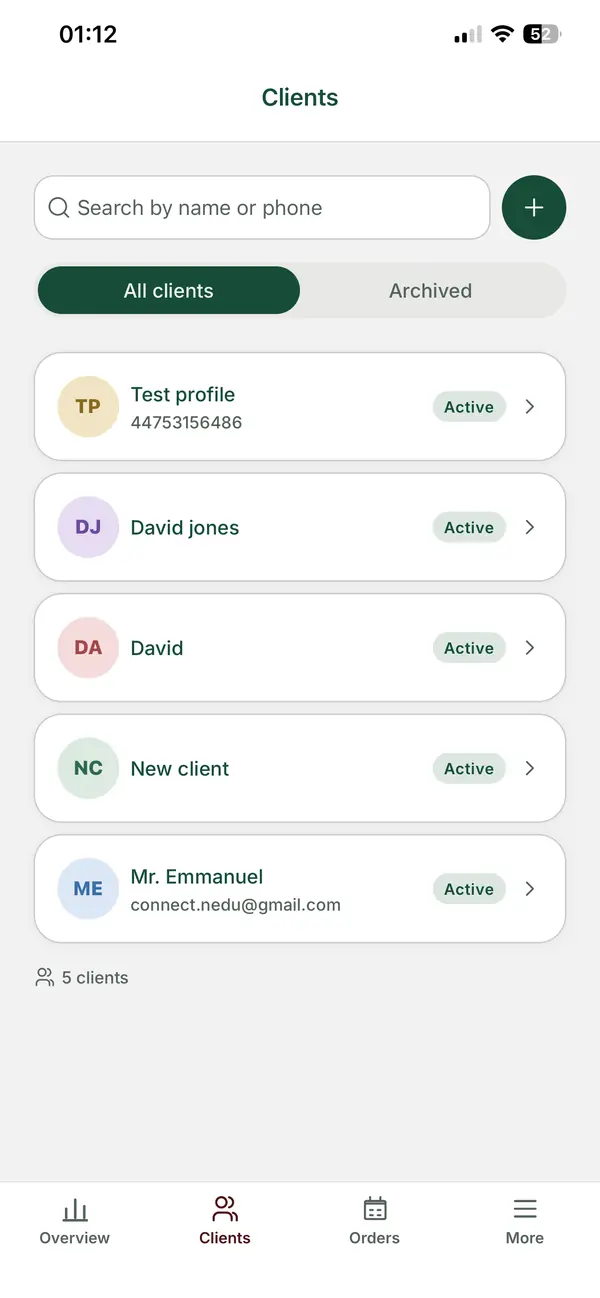
ZeDaq.ai's tailor tools include a client CRM, measurements through a link the client opens on their phone, orders with a delivery calendar, and invoicing in multiple currencies, including NGN, GBP and USD.
Keep quotes, measurements and invoices together
FAQs
Should I charge by the hour or per suit?
Quote a fixed price per suit, but calculate it from your hours. A fixed price is easier for clients to accept.
How many fittings should a suit include?
It depends on your process. State the number in the quote and charge for extra ones.
Do I charge more for rush orders?
Yes, because rush work displaces other clients. Say the rush fee in the quote before you start.
What if the client changes the design?
Treat it as a change of scope. Re-quote the extra labor and materials in writing.
Try ZeDaq.ai free
Virtual try-on and Find my size for your store, plus client, order and invoicing tools for tailors, in one subscription.