Discounts for Bulk Tailoring Orders
By the ZeDaq.ai team · · 4 min read
On this page
Discounts for bulk tailoring orders should come from real savings, not guesswork: discount only the costs that shrink with volume, such as setup time and fabric waste, and keep your labor and margin intact. Start with small tiers, require a deposit, and put the terms in writing before cutting a single piece.
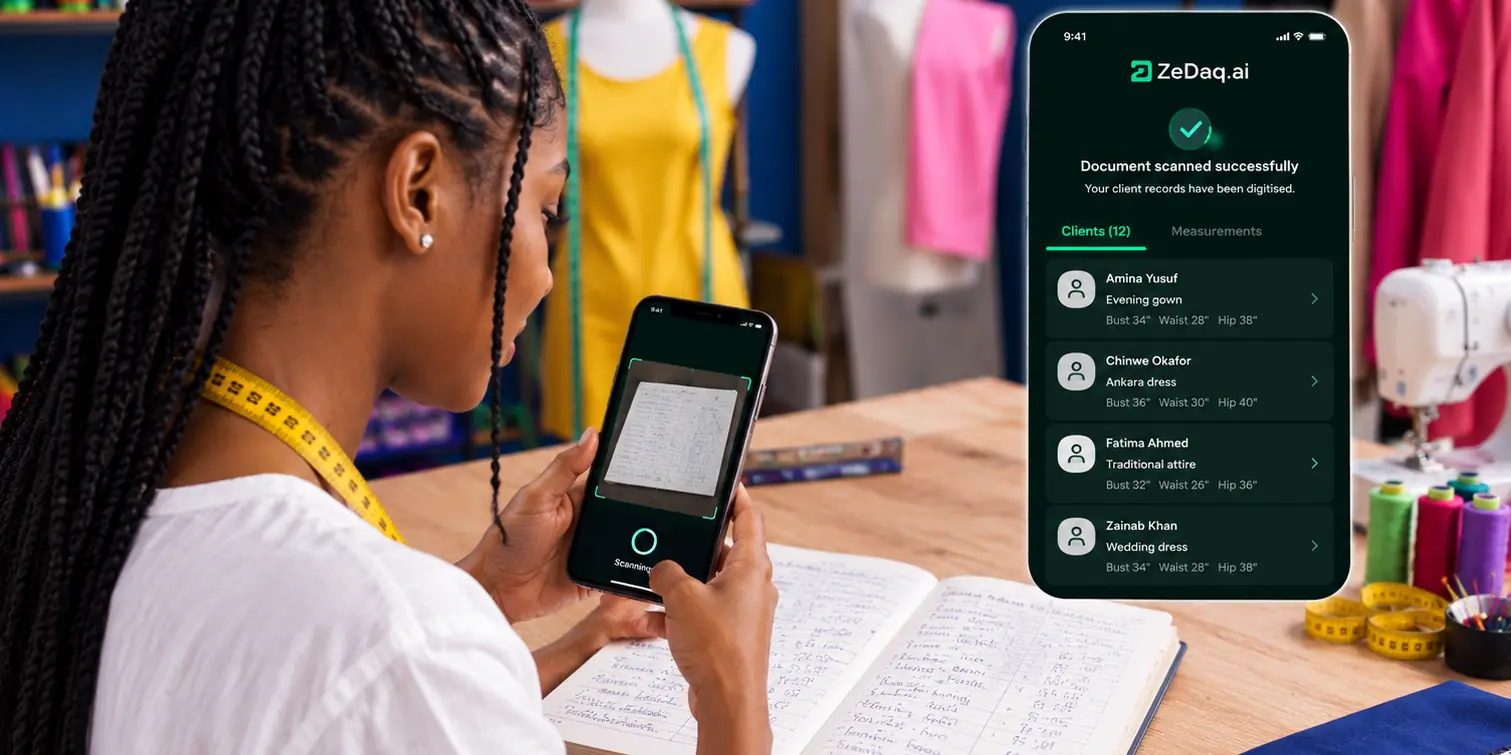
Bulk jobs include wedding parties, matching family outfits, staff uniforms and school wear. If you manage these in a client system, ZeDaq.ai's tools for tailors keep orders, measurements and due dates together.
Should you discount bulk orders at all?
Not always. A discount makes sense when the order is genuinely cheaper per piece for you to produce, or when it brings steady repeat work.
It does not make sense when each piece needs its own pattern, fitting and finishing. Ten different bespoke gowns cost you ten times the effort.
Ask first: what do I save when I make many of the same thing?
Be especially careful with uniform and school work, where buyers expect a price cut and may compare quotes. If you plan to pitch to organizations, work out your costs per piece first, then decide how low you can go. A job you lose on price is better than one that leaves you paid less than your time is worth.
Where do the real savings come from?
You save on tasks you do once and reuse. Look at your own workflow:
- Pattern and setup. One pattern serves every piece in a run.
- Fabric buying. Larger purchases can reduce waste or unlock supplier terms.
- Cutting. Layering and cutting several pieces at once saves time.
- Admin. One quote, one invoice and one delivery instead of many.
You do not save on sewing time per garment, fittings for custom sizes, or finishing. Keep those at full price.
How do you build a tier structure?
Use simple tiers that clients can understand. Follow these steps:
- Work out your normal cost per piece, including materials, labor and overhead.
- Identify which parts of that cost drop when you make several identical pieces.
- Set a small discount on those parts only, and increase it at each tier.
- Round to clean numbers so the quote is easy to read.
Example layout, using placeholders you replace with your own figures:
| Quantity | Discount | What it covers |
|---|---|---|
| Single piece | None | Full price |
| Small group | Small | Shared pattern and setup |
| Large group | Larger | Shared pattern, cutting and fabric buying |
Set the actual percentages after you have checked your costs. The right numbers depend on your market, so test on one job before publishing them.
How do you quote group orders for weddings and events?
Group orders add a second problem: sizes. Everyone has different measurements, and each person pays or arrives at different times.
Good habits for group jobs:
- Collect measurements in advance, ideally with a link each person opens on their phone. See how to send a measurement link.
- Set one deadline for final sizes and fabric choices.
- Decide whether each person pays separately or one organizer pays.
- Note that late changes carry a fee.
The guide to handling group orders for weddings and aso ebi goes deeper on this.
How do you protect your margin on a large order?
Large orders tie up money and time. Protect yourself with these steps:
- Take a deposit. Ask for part of the payment before buying fabric.
- Set a minimum quantity for each discount tier.
- Define what is included. Say how many fittings and alterations are covered.
- Add a late-change fee for size or style changes after cutting begins.
- Check capacity. A big order that blocks other clients can cost more than the discount saves.
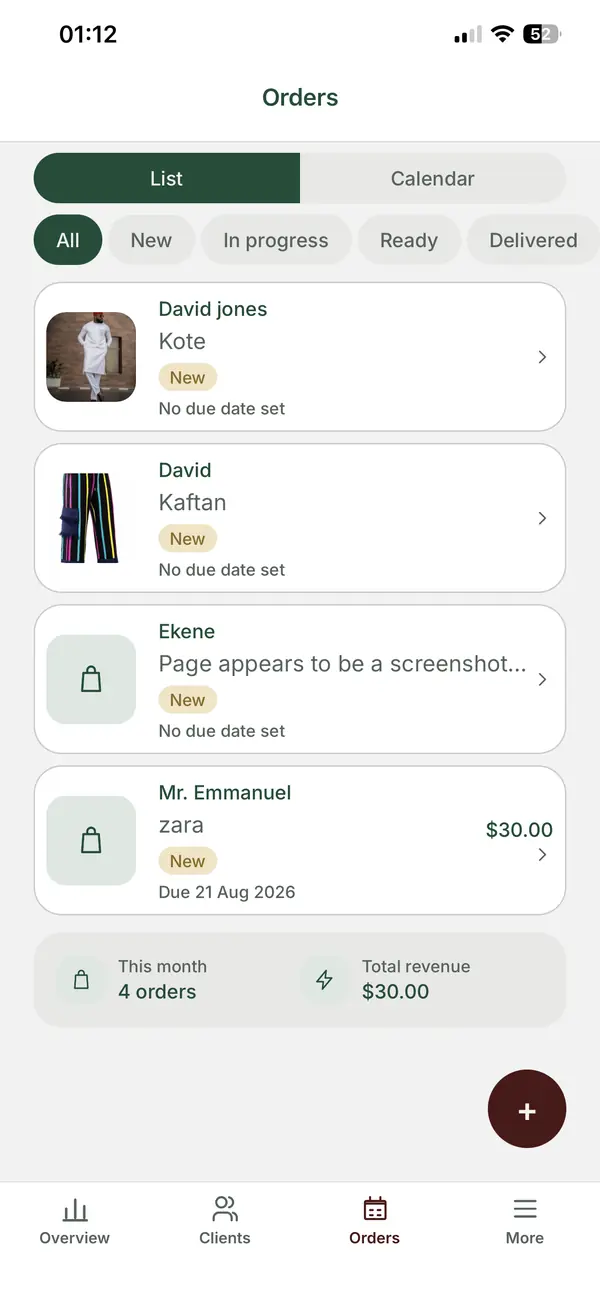
For tracking, an order system that records deposits and delivery dates helps. See order management for fashion designers.
What about rush bulk orders?
Do not discount a bulk order that also needs a short deadline. The speed pressure usually costs you more than the volume saves. Read how to price rush orders and price the two separately.
How should you present the discount to clients?
Show it as a clear line on the quote: normal price, discount, final price. Clients accept discounts more readily when they see the reason, such as "shared pattern and cutting".
Keep a copy of every quote. Chat apps make this hard, which is one reason tailors compare ZeDaq.ai and WhatsApp Business for running orders.
Keep bulk orders, deposits and due dates in one place
After the job ends, check whether you made what you expected. Compare your quote with the real hours and materials, and adjust your tiers if the discount was too generous.
FAQs
How big should a bulk discount be?
There is no universal figure. Calculate the costs that fall with volume in your own workshop and discount only those.
Should I offer a discount to repeat clients?
You can, but it is a separate decision. A loyalty offer rewards past business, while a volume discount reflects lower cost on one job.
Do I need a contract for a group order?
A written quote with terms is a sensible minimum. It should state price, deposit, deadline and change fees. For anything large, consider professional advice.
What if one person in the group cancels?
Say in your terms how cancellations affect the discount tier. A common approach is to recalculate the price for the remaining quantity.
Try ZeDaq.ai free
Virtual try-on and Find my size for your store, plus client, order and invoicing tools for tailors, in one subscription.

