
Common Measurement Mistakes Tailors Make
By the ZeDaq.ai team · · 4 min read
On this page
- Why is tape tension such a common problem?
- How does posture change a measurement?
- What are the measurement-taking mistakes to watch for?
- How do unit and notation mistakes happen?
- Which measurements are most often wrong?
- What does a measuring error look like in practice?
- How should you record notes so they stay clear?
- How do you catch errors before you cut?
- How do you train a new assistant to measure well?
- What if the client measures themselves?
The most common measurement mistakes tailors make are inconsistent tape tension, ignoring the client's posture, mixing up units, and writing measurements down in a way that is hard to read later. Each one can cause a remake, so it pays to build a routine that catches them.
If you want a ready structure for your notes, the measurement sheet template for tailors is a good starting point. The ZeDaq Business app, for tailors and designers, includes a client CRM and measurements. Learn more on the ZeDaq.ai tailor tools page.
Why is tape tension such a common problem?
A tape pulled too tight gives a measurement that is too small. A tape held loose gives one that is too large. Both lead to garments that don't fit.
Aim for the tape to lie flat against the body, snug but not squeezing. You should be able to slide a finger under it. Keep your own habit consistent from client to client.
How does posture change a measurement?
Clients don't stand the same way each time. A client who slouches has a different back length from one standing tall. Shoulders that slope or sit unevenly change sleeve and shoulder lines.
Ask the client to stand relaxed, feet together, looking forward. Note any posture details such as a forward head, a high shoulder or a sway back. Write them next to the numbers.
What are the measurement-taking mistakes to watch for?
Check yourself against this list.
- Measuring over bulky clothing. Ask the client to wear thin layers.
- Putting the tape in the wrong place. Mark the natural waist and fullest points before measuring.
- Letting the client hold their breath. Ask them to breathe normally.
- Measuring once. Take each key measurement twice.
- Forgetting ease. Decide how much room each garment needs before you cut.
How do unit and notation mistakes happen?
Mixing inches and centimeters is easy to do, especially when clients send measurements themselves. Write the unit next to every number, or set one unit for the whole sheet.
Use the same shorthand every time. If "L" means length on one line and left on another, your notes will cause errors weeks later. Use full words for anything that could be read two ways.
Which measurements are most often wrong?
Trousers cause many problems because several measurements interact: waist, hips, rise, thigh and inseam. The guide on which measurements a tailor needs for trousers lists them and what each one controls.
For any garment, verify the measurement that decides fit. For jackets, check shoulder width and chest. For dresses, check bust, waist and hips.
What does a measuring error look like in practice?
Say a client orders a fitted jacket. You measure the chest with a loose tape, and the client breathes in. The jacket comes back too tight across the back, and the sleeves pull.
The cause was two small habits, not a skills gap. A relaxed breath and a flat, snug tape would have given a better number. Walk through a case like this with your team, and list the habit behind each past remake.
Over time, the list becomes your own training sheet. It shows which mistakes happen most in your workshop, so you can fix those first.
How should you record notes so they stay clear?
Good notes help the next person who reads them, even if that is you in three months.
- Write the date and the client's name on every sheet.
- Put the unit beside each number.
- Add posture and fit preferences in a separate notes line.
- Keep one version of the sheet, and mark old ones as replaced.
Paper works if you keep it organized. A digital record is easier to search and share. Choose the one you will actually keep up.
How do you catch errors before you cut?
Use a short checklist.
- Read each measurement back to the client.
- Compare it with a measurement from a previous order, if you have one.
- Check the pairs: waist vs hip, shoulder vs chest.
- Record posture notes and the ease you've chosen.
- Get the client to confirm the order sheet.
Spend two minutes here. It costs less than a remake.
How do you train a new assistant to measure well?
Have the assistant watch you measure two or three clients, then measure the same clients while you watch. Compare the numbers and talk through any differences.
Agree on landmarks, such as where the natural waist is and how snug the tape should be. When two people get the same numbers, you can trust the sheet no matter who took it.
What if the client measures themselves?
Self-measurement is useful for remote clients, but mistakes rise. Ask for clear instructions, and review the numbers for sense. For tools that collect measurements, the guide to best measurement apps for tailors compares the options.
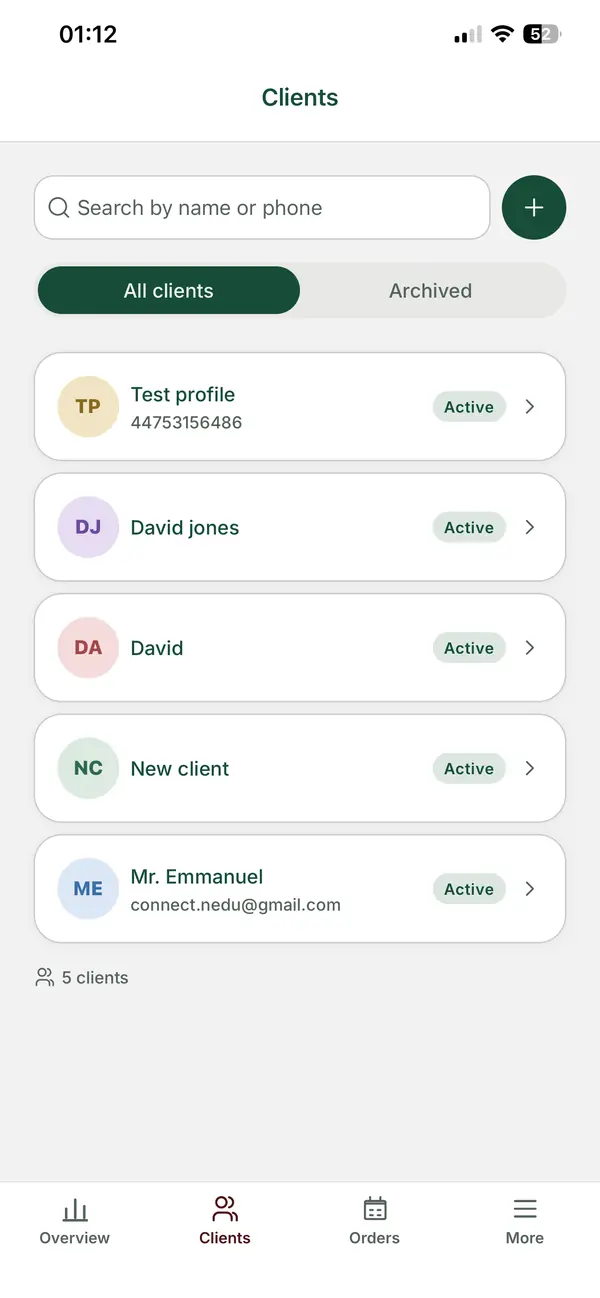
ZeDaq Business lets you collect measurements through a link the client opens on their phone.
Keep every client's measurements in one place
FAQs
How often should a tailor re-measure a regular client?
Re-measure when the client's body changes, or before a major order. Check with a quick tape on key measurements if you aren't sure.
Should I round measurements?
Record the exact reading. Round only when you draft the pattern, and note how you rounded.
Is it better to measure in inches or centimeters?
Either works. Pick one for the whole sheet and write the unit beside each number.
What should I do if a garment doesn't fit after the first fitting?
Note which measurement was off, adjust, and update the client's record so the next order is right.
Try ZeDaq.ai free
Virtual try-on and Find my size for your store, plus client, order and invoicing tools for tailors, in one subscription.

