Serial Returners: How to Handle Them Fairly
By the ZeDaq.ai team · · 4 min read
On this page
Handle serial returners by first checking why they return, then acting on the pattern rather than the person. Many frequent returners are shoppers who can't tell which size to buy, and they need better information more than a ban.
This guide shows how to spot real problem accounts, what fair limits look like, and how to cut the avoidable returns first. A good place to begin is better sizing, which AI size recommendation for fashion stores explains.
Who counts as a serial returner?
A serial returner is a customer who returns a large share of what they buy, order after order. The term covers very different people, so don't treat them as one group.
- Bracketers order two or three sizes and send back the ones that don't fit.
- Unsure shoppers return because the product looked different from the photos.
- Wardrobers wear items and return them. Our guide to wardrobing and how to spot it covers that group.
- Fraud or abuse cases claim items never arrived or send back the wrong goods.
Each group needs a different response. Banning a bracketer solves nothing if your size chart is the cause.
How do you find them in your data?
Start with a simple export of orders and returns from your store. For each customer, look at:
- Orders placed and items returned, as a share of items bought
- Return reasons they selected
- Whether returned items came back in sellable condition
- Whether they ordered the same product in several sizes
Compare each customer with your own average, not with a national figure. A customer who returns many items from a category with a known fit problem is a signal about your product, not just the customer.
Why do they return so much?
Check the product pages first. Look for these causes:
- Unclear sizing. A generic chart, or no fit note.
- Hard-to-judge fabric. Shoppers can't feel stretch, weight or sheerness. See how to describe fabric texture online.
- Photos that don't match. Color, length or volume look different in person.
- Easy, free returns. This invites bracketing, because the shopper bears no cost.
If many customers return the same style, fix the product page. Only after that does it make sense to look at individual accounts.
What are fair ways to respond?
Pick measures that treat honest customers well and make abuse harder.
- Fix the cause. Add real body measurements, fit notes and better photos.
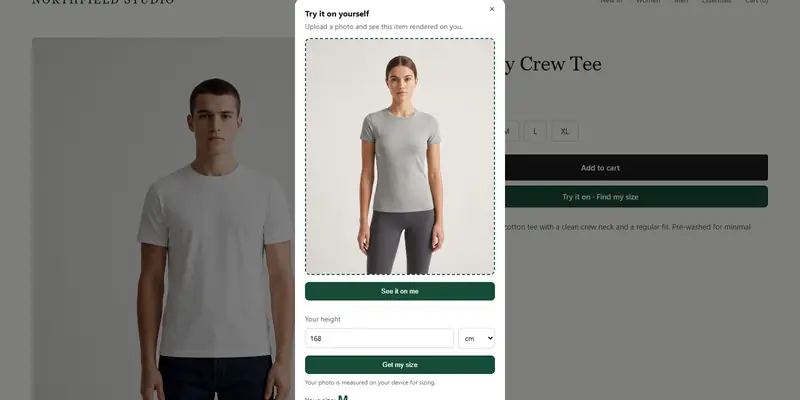
- Help them choose. Offer a size recommendation so they order one size, not three.
- Remember their size. Saved preferences cut guesswork, as described in customer fit profiles and stored sizes.
- Offer exchanges first. An exchange keeps the sale and corrects the size.
- Set a clear policy. State condition rules, such as tags attached and unworn, before the purchase.
- Review accounts case by case. If you limit returns for a customer, write down why and tell them.
Be careful with returns limits. Consumer rights depend on where you and your customers are, so check your local consumer protection rules before you restrict returns. Do not apply limits in a way that treats customers differently without a clear, written reason.
How should you talk to the customer?
Keep the tone neutral. Start with an offer of help, not an accusation.
A short message works: "We noticed you've returned several recent orders. Can we help you find the right size?" Many customers will reply, and their answer tells you whether it is a fit problem.
How do you measure whether it worked?
Track the same numbers monthly: items returned per order, return reasons and exchange rate. Change one thing at a time so you know what helped. Our look at how try-on reduces clothing returns explains why seeing the garment on the body matters for these decisions.
ZeDaq.ai gives shoppers a size recommendation from a 30-second scan, using your own size chart. Every paid plan has a 3-day free trial with no card required.
What does a simple review process look like?
You don't need special software to start. A monthly routine is enough for a small store.
- Export last month's returns with the customer, product and reason.
- Sort by customer and note anyone who appears more than once.
- Read the reasons for each of those returns.
- Sort them into the groups above: bracketing, unsure, wardrobing or abuse.
- Act on the group, not on the label. Bracketers get sizing help, and abuse cases get a firm, written response.
Keep notes on what you decided and why. If a customer complains, you can show that the same rules applied to everyone.
Help shoppers pick the right size first
FAQs
Can I ban a customer for returning too much?
You can set rules in your policy, but laws and platform terms vary. Check your local consumer rules and apply any limit consistently, with a written reason.
What is the difference between a serial returner and bracketing?
Bracketing is buying several sizes with the intent to return some. A serial returner is a pattern over time. A bracketer can be a serial returner, but not always.
Should I charge for returns?
Return fees can reduce abuse, but they also put off honest shoppers. Test them on one product category and watch the effect on sales before you roll them out.
What is the first thing to fix?
The size information on your product pages. If shoppers can't tell what will fit, they will keep ordering extra sizes.
Try ZeDaq.ai free
Virtual try-on and Find my size for your store, plus client, order and invoicing tools for tailors, in one subscription.