Wardrobing: How to Spot It and What to Do
By the ZeDaq.ai team · · 4 min read
On this page
- How is wardrobing different from normal returns?
- What are the signs of a wardrobed item?
- How do you inspect returns fairly?
- What policy wording helps?
- What can you do to prevent it?
- How do you respond to a suspected case?
- What should you do with items that come back worn?
- Where does product-page quality come in?
Wardrobing is buying an item, wearing it, and returning it for a refund as if it were unused. You can spot it by checking the condition of returned items and looking for patterns, then respond with a clear policy and calm, consistent decisions.
Many returns that look like wardrobing are fit problems, so start by making sure shoppers can choose the right size. Our guide to AI size recommendation for fashion stores is a good first step.
How is wardrobing different from normal returns?
A normal return is an item that didn't fit or didn't suit, sent back unworn. Wardrobing is an item that was used for an event or a photo and then returned.
The line can blur. A shopper who tries a dress on at home for a long time isn't wardrobing. A shopper who wears it to a wedding and returns it is.
This differs from the repeat-customer problem covered in serial returners and how to handle them fairly. That is about patterns across a person's orders. This article is about the condition of a single item.
What are the signs of a wardrobed item?
Check returned goods for physical signs. Look for:
- Odor, such as perfume, smoke or sweat
- Makeup or deodorant marks on collars, necklines and underarms
- Stretched or shaped fabric at the seat, knees or elbows
- Missing or altered tags, or tags reattached with new pins
- Dirt on hems or soles
- Pet hair or lint
One sign alone is weak evidence. Several together, on a formal item returned right after a big date, are stronger.
How do you inspect returns fairly?
Create a short checklist that every staff member uses. This avoids guesswork and protects honest customers.
- Photograph the item as it arrives.
- Check tags, odor, marks and wear.
- Record what you found on the return in your system.
- Compare with the policy conditions.
- Decide using the same rules for everyone.
Consistency matters. If two customers return similar items in similar condition, they should get the same outcome.
What policy wording helps?
Be specific about condition before the purchase, not only at the return stage.
- State that items must be unworn, unwashed and have tags attached.
- Explain what "unworn" means: trying on at home is fine, wearing outside is not.
- Say what happens if an item isn't in resalable condition, such as a partial refund or a refusal.
- Put the policy on product pages, in checkout and in order emails.
Rules for refusing returns depend on consumer law where you sell, so check your local rules before you apply a condition. Our article on returns policy ideas that protect margins covers more options.
What can you do to prevent it?
Prevention is calmer than confrontation.
- Tags that show if removed. Use tamper-evident tags on formalwear.
- Clear return windows. A shorter window reduces long-term wear, but keep it reasonable.
- Exchange or store credit options. These keep the sale in many cases.
- Better product information. Shoppers who know what to expect return less.
Care and condition also tie into product life. Some stores offer alterations or repairs as an alternative to returns, as described in repair, alter or replace.
How do you respond to a suspected case?
Keep the tone neutral and stay factual.
- Contact the customer and describe what you found.
- Show photos if you have them.
- Offer the outcome your policy allows, such as a partial refund.
- Keep a record of the exchange.
Don't accuse. Many customers will accept a clear explanation. A calm approach also protects your reputation if the exchange becomes public.
What should you do with items that come back worn?
Decide this in advance so you aren't improvising each time.
- Resell as new only if the item passes your checklist.
- Clean and resell as second-quality if the damage is small and your customers accept it.
- Donate or recycle items you cannot sell.
- Track the cost of each case, so you can see if the problem is large enough to need changes.
A small log is enough: date, item, condition, decision and outcome.
Where does product-page quality come in?
Photos, fit notes and size information cut the number of honest mismatches. That leaves a smaller, clearer group of returns to review. The product page checklist for fashion stores lists what to cover.
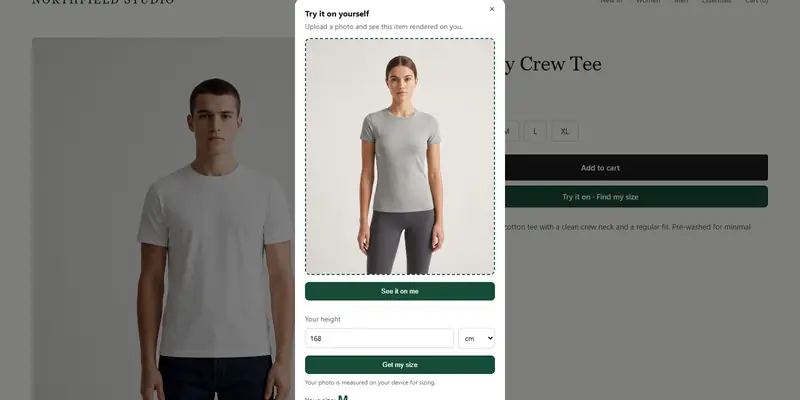
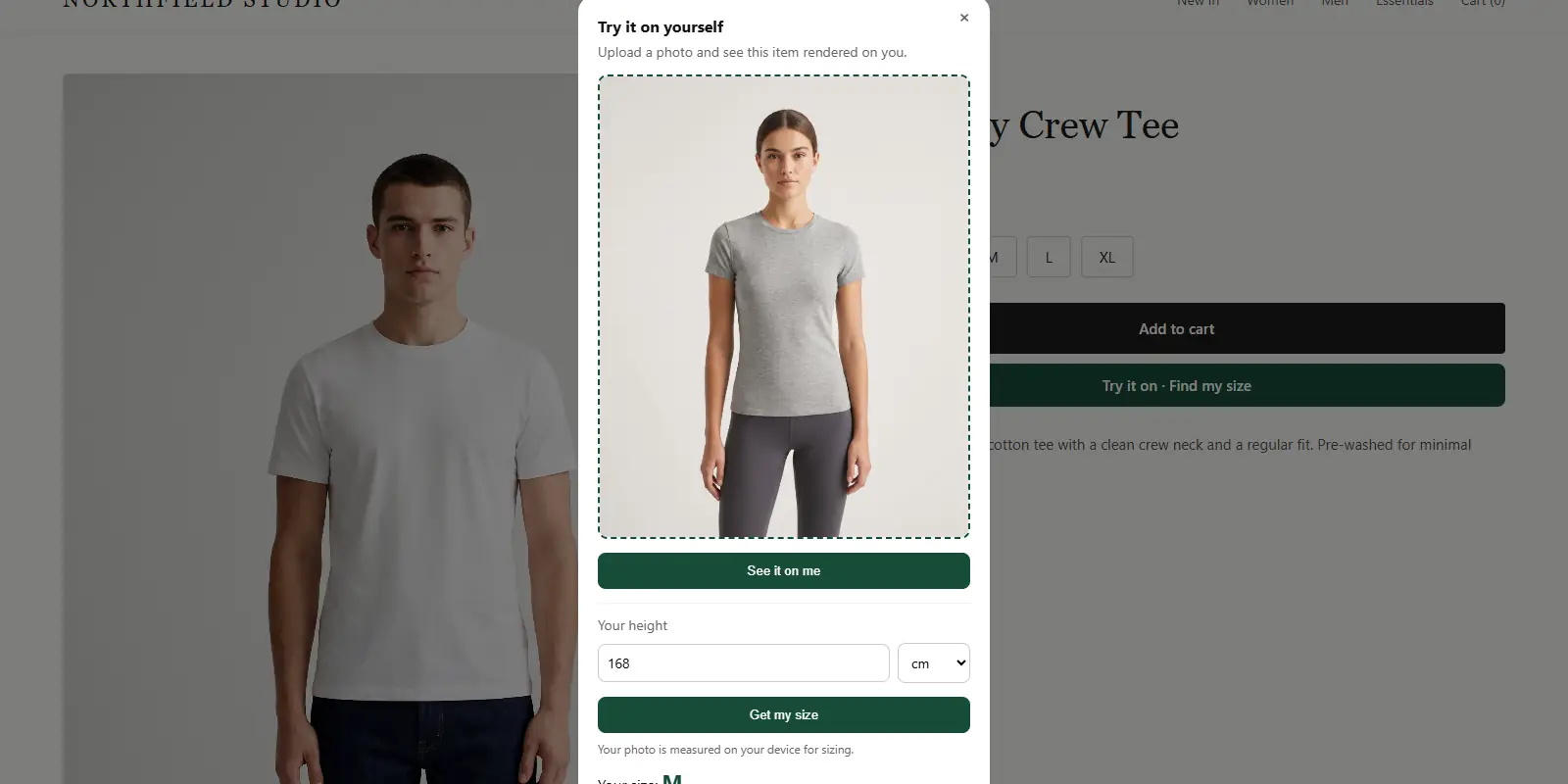
ZeDaq.ai can add a size suggestion and a try-on view to your product pages, so shoppers see the garment on themselves before they buy. Every paid plan has a 3-day free trial with no card required.
Help shoppers choose better before they buy
FAQs
Is wardrobing illegal?
It depends on where you are and how the policy is written. Check your local consumer rules or ask a legal adviser.
Can I refuse a return if the item was worn?
Often your policy lets you, but local consumer law may limit that. Apply your written conditions consistently.
How do I tell trying on from wearing?
Trying on leaves little trace. Wearing leaves odor, marks, stretch or dirt. Use a checklist and look for several signs, not one.
Should I tell customers I check returns?
Yes. A short line in your policy that items are inspected on return sets expectations and can discourage misuse.
Try ZeDaq.ai free
Virtual try-on and Find my size for your store, plus client, order and invoicing tools for tailors, in one subscription.