
Production Planning for a Small Tailoring Shop
By the ZeDaq.ai team · · 4 min read
On this page
- Why does a small shop need a production plan?
- How do you break an order into tasks?
- How do you estimate hours and set capacity?
- How do you build a production calendar?
- How should you plan for busy seasons?
- What tools make planning easier?
- What does a worked example look like?
- How do you spot a problem early?
Production planning for a small tailoring shop means listing the tasks in every order, estimating the hours each takes, comparing the total to your weekly capacity, and scheduling work on a calendar with a buffer before each delivery date. Do this at the moment you accept an order, not when it is already late.
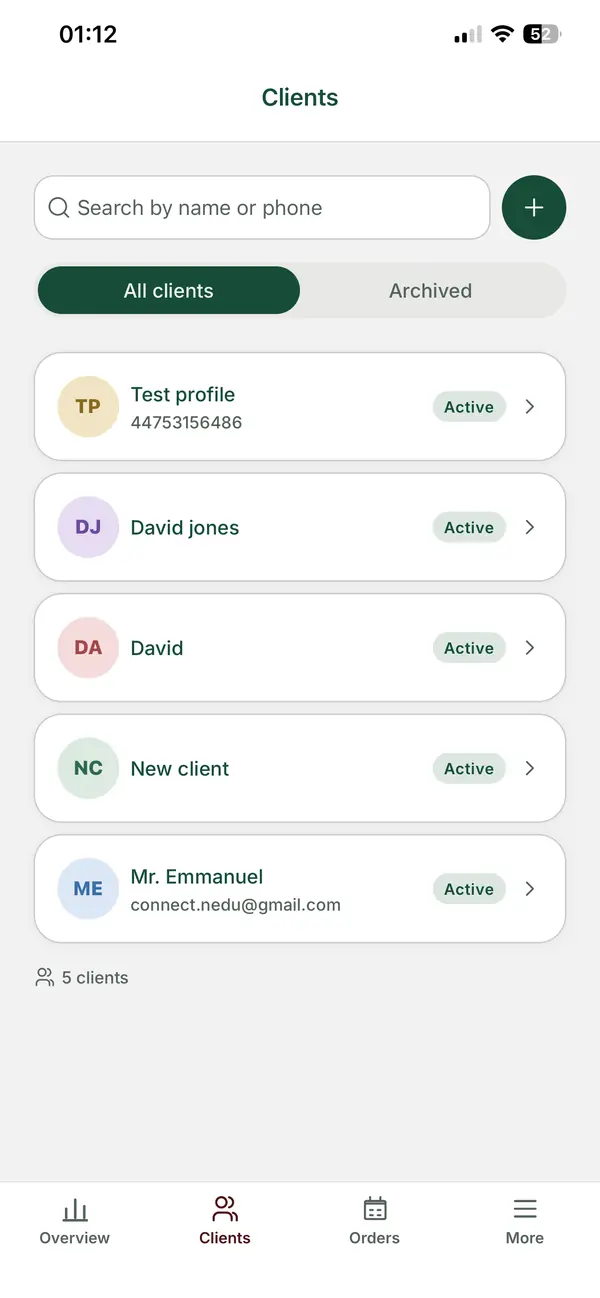
Tools built for tailors can hold orders and dates together. You can see how ZeDaq.ai helps tailors manage clients and orders.
Why does a small shop need a production plan?
A small shop runs on a few pairs of hands. One rushed order delays three others, and the customer waiting longest is the one who complains.
A plan answers three questions: what is due, who is doing it and whether you can take another order. Without that, "yes" becomes a guess.
How do you break an order into tasks?
Split each garment into the steps it needs, in order. A shirt might need pattern, cutting, sewing, fitting, finishing and pressing.
For each order, write:
- The garment and fabric.
- Each task in sequence.
- Who does each task.
- Any wait, such as fabric delivery or a client fitting.
Waits matter most. Time spent waiting for a client or supplier is time you cannot sew, so plan other work to fill it.
How do you estimate hours and set capacity?
Track how long tasks really take for a few weeks. Your own times beat any general figure, because they reflect your skill and tools.
Then work out capacity:
- Count productive hours per person per week, after admin, fittings and breaks.
- Multiply by the number of people.
- Reserve a share for repairs and changes.
When the hours booked reach your capacity, stop taking orders for that week or quote a later date.
How do you build a production calendar?
Put every deadline on a calendar first, then work backwards. Place the final fitting and delivery, then schedule finishing, sewing and cutting before them.
A simple weekly layout:
| Day | Focus |
|---|---|
| Early week | Cutting and pattern work |
| Midweek | Sewing |
| Late week | Fittings and finishing |
ZeDaq.ai includes orders and a delivery calendar, so due dates sit with the client record. Measurements can be collected through a link that the client opens on their phone, which saves time before cutting.
How should you plan for busy seasons?
Busy periods need planning weeks ahead. Close the order book early, add buffer and warn clients about last dates. Our guides on festive season rush planning and wedding season planning for tailors cover the specifics.
Also build a buffer into every promise. Add extra days between your finish date and the client's deadline, to cover illness, a broken machine or a late client.
What tools make planning easier?
Paper and a wall calendar work for a very small shop, as long as one person keeps it current and everyone checks it each morning before work starts. As orders grow, a digital system saves time because dates, clients and invoices stay in one place.
To compare software, read the guide to choosing software for tailors and designers.
What does a worked example look like?
Suppose you have two tailors and you are asked to take a new order for three dresses due in two weeks.
- List the tasks for each dress: pattern, cutting, sewing, fitting, finishing.
- Use your own tracked hours to estimate each task.
- Add the total to the hours already booked in each week.
- Compare it with your weekly capacity.
- If it fits, place the tasks on the calendar with a buffer. If not, quote a later date.
The key habit is saying yes or no based on the numbers. A date you can keep is worth more than a quick promise you cannot.
How do you spot a problem early?
Check the plan at the same time every week. Look for tasks that are behind, orders waiting on a client and weeks that are full.
Warning signs include:
- Work piling up before fittings.
- Evenings spent catching up.
- The same client chasing you twice.
When one appears, act at once: move a date, share the work or pause new orders. Tell clients early, because a short message sent in advance is easier than an apology on the day.
Keep orders, dates and clients together
FAQs
How far ahead should I schedule orders?
Schedule as far ahead as your longest job takes, plus a buffer. Review the plan weekly.
What if a client changes their mind midway?
Agree changes in writing and add the extra hours to the plan. A change that moves the delivery date should reset the date, too.
Should I take rush orders?
Only if they fit your capacity. A rush fee can reflect the disruption to other clients.
How do I know my estimates are right?
Compare estimated and actual hours on finished orders, then adjust your next estimates.
How many orders can one tailor handle at once?
It depends on the garments, so use your own tracked hours rather than a fixed number. A suit and a simple skirt need very different time.
Should I plan for sick days and breakdowns?
Yes. Keep a small share of each week unbooked so one lost day does not push every deadline back.
Try ZeDaq.ai free
Virtual try-on and Find my size for your store, plus client, order and invoicing tools for tailors, in one subscription.

