
How to Track Fabric Delivered by Clients
By the ZeDaq.ai team · · 5 min read
On this page
To track fabric that clients bring you, give every piece a tag and a written receipt the moment it arrives, and link both to the client's order. Then record each change of status until the finished garment and any leftover fabric go back to the client.
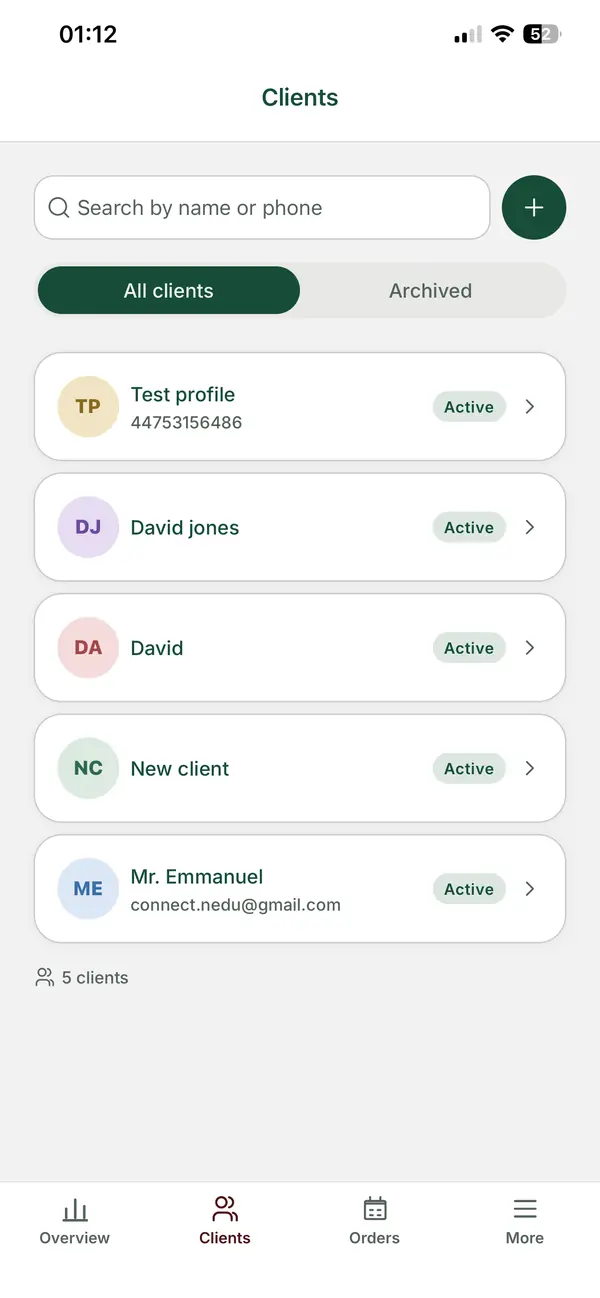
This matters most for aso ebi, wedding and event work, where the cloth is often more valuable than your labor. If you already keep client records in a tool built for tailors, the ZeDaq.ai tailor tools cover client records, orders and a delivery calendar, which gives you a natural home for the order your fabric receipt points to.
Why does client fabric go missing?
Most losses are small process gaps, not theft. Cloth arrives in a carrier bag with no note, gets moved to make space, and is later mistaken for another client's.
Typical causes:
- The fabric is dropped off while you are busy, so nothing is written down.
- Two clients bring similar prints in the same week.
- Offcuts are thrown away before the client has said whether they want them back.
- Nobody recorded how much cloth arrived, so a dispute about leftovers has no answer.
What should a fabric receipt include?
A receipt is the single most useful record. It protects you as much as the client.
Include these fields:
- Client name and phone number.
- Date received and who received it.
- Description: color, print, fiber if known, and any flaws such as a pulled thread or stain.
- Length received, with the unit you measured in.
- Linked order or garment, for example "wedding kaftan, due on the event date".
- What happens to leftovers: return, keep or discard.
- Client signature or a photo confirmation sent by message.
Measure the cloth in front of the client. Both of you then agree on the number at drop-off, and there is no argument later.
How do you tag and store each piece?
Tag first, store second. A tag that travels with the fabric is more reliable than a shelf label.
Step 1: Tag it at the door
Write the client's name and the order reference on a paper tag. Pin or tie it to the fabric. Add a second copy inside the bag.
Step 2: Photograph it
Take one photo of the whole cloth and one close-up of any flaw. Save them with the receipt. The photos also show the client the condition on arrival.
Step 3: Bag and shelve it
Put each client's cloth in its own clear bag. Shelve bags by due date, not by client name, so the next job is always at the front.
Step 4: Keep notes on cutting
When you cut, write down the length used. Do this on the receipt, not on a separate scrap of paper, so the figures stay together.
How do you record status changes?
Use a short list of statuses and stick to them. Fewer is better.
| Status | Meaning |
|---|---|
| Received | Fabric measured, tagged and receipted |
| Cutting | Cloth is on the table |
| In production | Pieces are being sewn |
| Ready | Garment finished, leftovers bagged |
| Collected | Client has taken the garment and leftovers |
Update the status when the cloth moves, not at the end of the day. A tailor with several jobs a week will not remember it later.
Where should the records live?
A paper notebook works for a very small workshop. A spreadsheet is better, because you can search it.
The best option is the place where you already track the order. Orders, due dates and the delivery calendar sit in the same system, so a client who asks "where is my cloth?" gets an answer from one screen. For how a client sees their order, see what clients should see in a portal.
Be honest about what your tools do. ZeDaq Business keeps client records, orders and a delivery calendar. Record the fabric receipt reference against the order so the two stay linked.
How do you handle leftovers and disputes?
Agree on leftovers at drop-off, not at pickup. Tick the receipt box for return, keep or discard.
If a client says they gave you more cloth than you recorded, show the signed or confirmed receipt and the photos. If you have no record, offer to settle fairly and fix the process for next time.
You can also confirm measurements early. A client who sends their body measurements through a phone link on day one is less likely to change the order later; see how to send a measurement link.
How do you tell clients about the process?
Put it in writing. A short note on your order form or in your chat reply works:
- "We measure and receipt your fabric when you drop it off."
- "Leftover fabric is returned unless you tell us otherwise."
- "We are not responsible for fabric left more than a set time after collection is due." Choose your own period.
Many tailors take orders in chat apps. Chat is fine for talking, but it makes a poor record of cloth. The comparison of ZeDaq.ai and WhatsApp Business for tailors explains where each fits.
Keep clients, orders and deadlines in one place
FAQs
Do I need a signed receipt for every piece of fabric?
A signed receipt is best. If the client is not present, a photo of the cloth and a message confirming the length is a reasonable substitute.
What if a client brings fabric that is already damaged?
Note the damage on the receipt and photograph it before you start. Tell the client how it may affect the garment.
Who owns leftover fabric?
Usually the client, because they supplied it. Agree this at drop-off and record it on the receipt.
Can I charge for storing fabric?
You can, if you tell the client in advance. Put the storage terms in writing when you take the order.
Try ZeDaq.ai free
Virtual try-on and Find my size for your store, plus client, order and invoicing tools for tailors, in one subscription.

