How to Start a Tailoring Business in the US
By the ZeDaq.ai team · · 4 min read
On this page
To start a tailoring business in the US, choose a business structure, register your business with your state, get a free federal EIN, check which local licenses you need, and set up a simple system for clients, measurements and invoices. The exact rules depend on your state and city, so confirm each step with the official site.
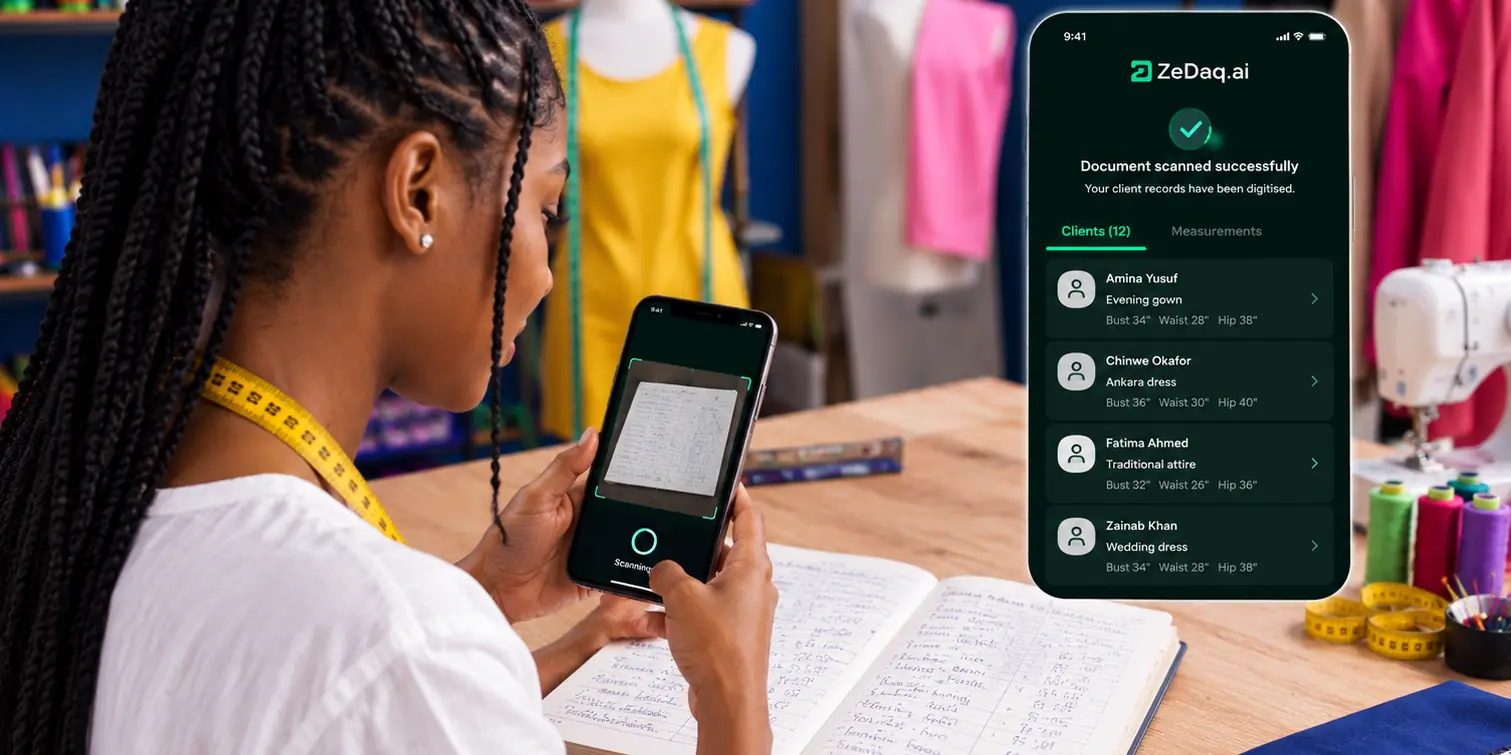
This guide gives the order of steps and links to the official sources. The right tools also help from day one: tailor software for measurements, orders and invoicing keeps a small shop organized.
This is general information, not legal or tax advice. Check with your state, your city and a qualified adviser before you act.
What business structure should a tailor choose?
Your structure affects your taxes, paperwork and personal liability. The US Small Business Administration (SBA) describes the main types on its choose a business structure page.
- Sole proprietorship: the SBA says it is "easy to form and gives you complete control of your business."
- Partnership: the simplest structure for two or more people to own a business together.
- LLC: it takes some benefits from both corporations and partnerships.
- Corporation: a legal entity separate from its owners.
Many solo tailors start as a sole proprietorship or an LLC. An accountant or attorney can tell you which suits your case.
How do you register your business name and business?
Most states require registration with the Secretary of State's office, a business bureau or a business agency, according to the SBA's register your business page. You will probably need to register in any state where you do business.
If you trade under a name other than your own, you may need a "doing business as" (DBA) name. The SBA notes that most states require you to register a DBA if you use one, and that a DBA does not give legal protection by itself.
Before you choose a name, check it against the USPTO trademark database. The SBA warns that businesses in every state can face trademark infringement lawsuits.
Do you need an EIN?
An Employer Identification Number (EIN) is a federal tax ID. The IRS says businesses, organizations and some retirement trusts need one to manage their taxes, and that you never have to pay a fee for an EIN.
Hiring employees is one common trigger. Details and eligibility are on the IRS page to apply for an EIN online. Beware of sites that charge for it.
What licenses and permits does a tailor need?
Rules vary by state, county and city. The SBA says most small businesses need a combination of licenses and permits from federal and state agencies, and that local governments set their own registration and permit requirements.
Use the SBA's licenses and permits page as your guide:
- Check your Secretary of State's website for state requirements.
- Visit your city and county websites for local business licenses.
- Ask whether a home-based shop needs a zoning permit or has restrictions.
- Note renewal dates, since some licenses expire.
The SBA's page lists retail among activities often regulated locally. It does not say what a tailoring shop must hold, so confirm with your local office.
What taxes should you plan for?
The SBA says income tax, sales tax, property tax and corporate taxes can vary significantly from place to place. Ask your state tax agency whether alterations or garment sales are taxed where you work.
Keep clean records from the start. Separate your business and personal money, and save every invoice and receipt.
How do you set up the workshop and your tools?
Once the paperwork is moving, set up how you will work day to day.
- Client records: names, contact details and notes for every client.
- Measurements: a consistent place to store them, not loose notebooks.
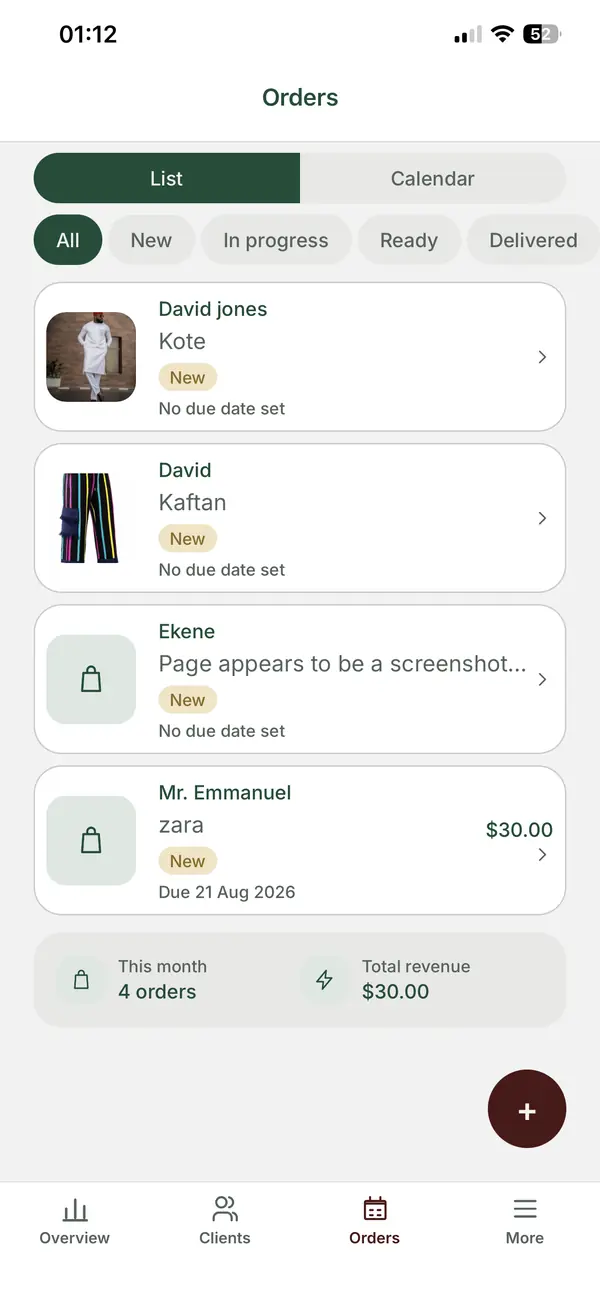
- Orders and deadlines: a calendar so fittings and delivery dates never clash.
- Invoices: professional invoices that your clients can pay quickly.
ZeDaq.ai offers tailor tools for these jobs: a client CRM, measurements through a link the client opens on their phone, orders and a delivery calendar, and invoicing in multiple currencies. There is also the ZeDaq Business mobile app for iOS and Android. The Free plan costs $0 and includes 3 measurements and 5 invoices a month.
How does the US differ from the UK or Nigeria?
Each country has its own registration bodies and tax rules. If you also serve clients abroad, compare the steps in starting a tailoring business in the UK and starting one in Nigeria.
Busy seasons also shape a US tailoring business. Wedding season is a good example, and the guide to managing wedding group orders shows how to handle several outfits for one event.
Run your tailoring business from one place
FAQs
Do I need a license to be a tailor in the US?
It depends on your state, county and city. Check your Secretary of State and local government websites, and use the SBA licenses page as a starting point.
Can I start a tailoring business from home?
Often yes, but local zoning and permit rules vary. Ask your city or county before you take clients at home.
Is an EIN free?
Yes. The IRS says you never have to pay a fee for an EIN.
Do I need an LLC?
Not always. Many solo tailors start as a sole proprietorship. An accountant or attorney can advise on liability and taxes.
Try ZeDaq.ai free
Virtual try-on and Find my size for your store, plus client, order and invoicing tools for tailors, in one subscription.

