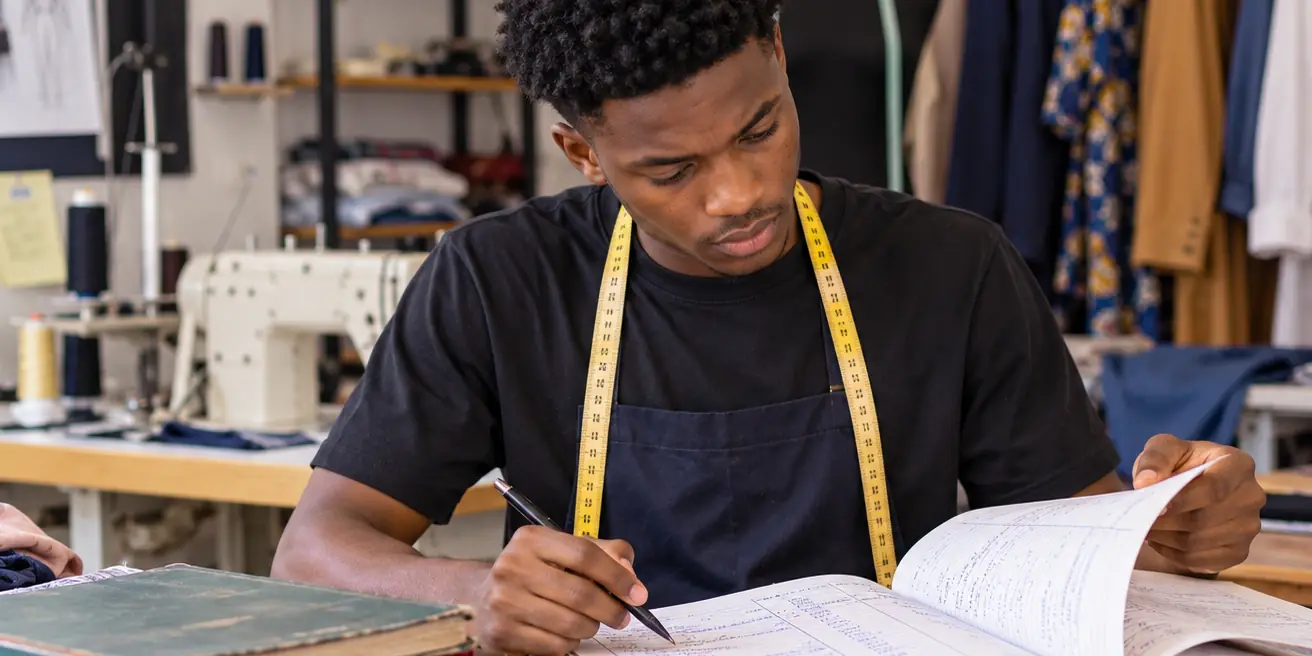
How to Start a Tailoring Business in the UK
By the ZeDaq.ai team · · 5 min read
On this page
To start a tailoring business in the UK, choose what you will offer, set up as a sole trader or a company, tell HMRC when you need to, price your work to cover your costs, and keep clean records of every client. Most people begin as sole traders because it is the simplest route.
Below is the order to work in, with links to the official GOV.UK pages. When you are ready to organize clients and orders, software built for tailors can hold measurements, deliveries and invoices together.
This is general information, not legal or tax advice. Check GOV.UK or an accountant for your own situation.
What kind of tailoring business will you run?
Decide this first, because it shapes your equipment, premises and prices.
| Type | What you do | What to plan for |
|---|---|---|
| Alterations | Hems, tapering, zip and lining repairs | Fast turnaround, walk-in traffic, good location or collection service |
| Made-to-measure | Garments cut to a client's measurements | Fittings, deposits, longer lead times |
| Bespoke | Fully custom patterns and cloth choice | Many fittings and premium pricing |
| Occasion and bridal | Weddings, proms, formal events | Seasonal peaks and firm deadlines |
| Cultural and specialist wear | For example, African print, South Asian or Caribbean styles | Fabric sourcing and niche marketing |
Alterations bring the steadiest repeat trade. Made-to-measure and bespoke work earns more per garment but needs more time per client.
How do you set up as a sole trader?
GOV.UK explains how to set up as a sole trader. You choose a business name, keep records of income and costs, and register for Self Assessment once you earn over £1,000 in a tax year.
As a sole trader you are personally responsible for business debts, so your personal assets may be at risk. If that worries you, ask an accountant whether a limited company suits you better.
You can start trading before you register. Keep every receipt and invoice from day one so your return is easy to complete.
When do you need to register for Self Assessment and VAT?
GOV.UK's page on registering for Self Assessment sets the deadline for new sole traders, and it changes each tax year. Read the current date before you start so you don't pay a penalty.
VAT is separate. GOV.UK says you must register for VAT when your taxable turnover for the last 12 months goes over £90,000. You can also register voluntarily below that level.
Check your turnover against the threshold regularly. Your accountant or HMRC can confirm the current rules.
What do you need to start sewing?
Begin with equipment you will use every day:
- A reliable sewing machine for general work and a second for heavy cloth if you can afford it.
- An overlocker for clean edges.
- A steam iron and pressing surface.
- A cutting table, shears and measuring tools.
- A fitting area with a mirror and enough space to move around.
Start from home if you need to keep costs low. A shop makes sense when walk-in trade justifies the rent.
How should you price your work?
Price from your costs and your time, not only from competitors. Add up materials, thread and notions, your hourly rate, rent, utilities and a margin for mistakes.
Then check local prices. Our guide to benchmarking alteration prices against typical UK rates shows how to compare without copying the cheapest shop.
Take a deposit on made-to-measure orders before you cut. Write the balance and the delivery date on the order so both sides agree.
How do you find your first customers?
Start with people who already know your work. Show finished pieces, with the client's permission, on Instagram and a simple Google Business listing.
Partner with businesses that send you referrals, such as bridal shops, dry cleaners and menswear stores. Give them a clear price list and a reliable turnaround.
Ask satisfied clients for a review. Reviews on your listing do much of your selling for you.
How do you keep client measurements and orders organized?
Paper cards get lost and chat messages bury important numbers. Choose one system and use it for every client.
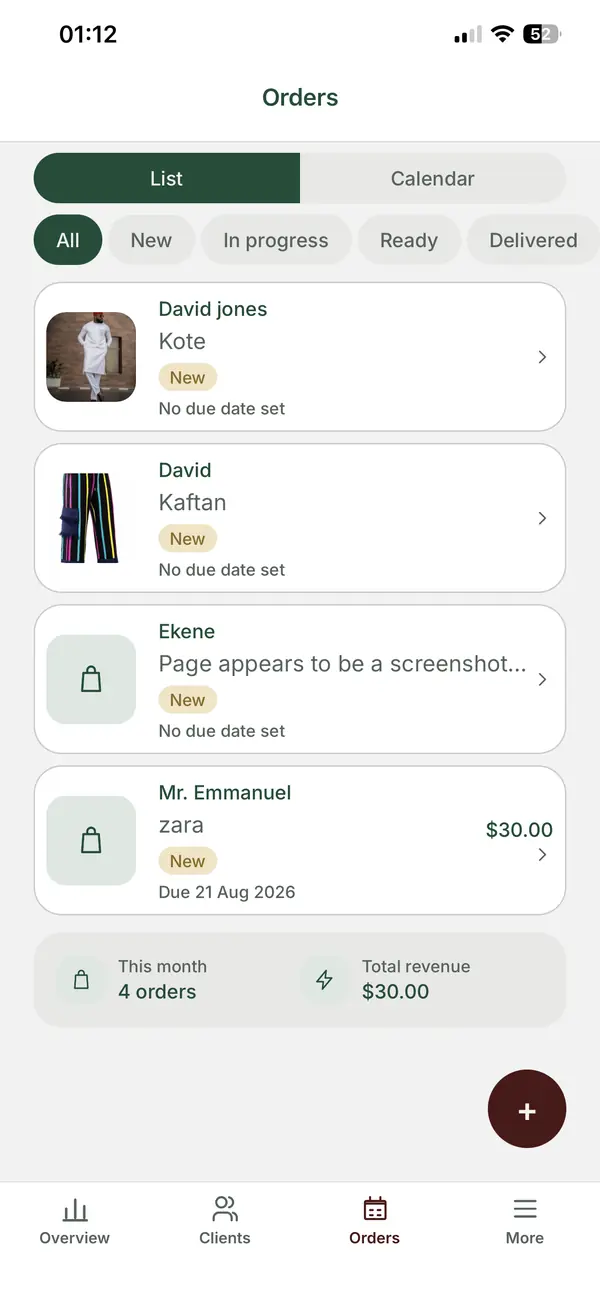
ZeDaq.ai offers a client CRM, measurements through a link the client opens on their phone, orders with a delivery calendar, and invoicing in multiple currencies, including GBP, NGN and USD. There is also the ZeDaq Business app for iOS and Android. The Free plan includes 3 measurements and 5 invoices a month, so you can test it with real clients.
A measurement link is useful for clients who can't visit in person. Our tips on capturing accurate measurements at home explain how to guide them.
If you are comparing markets, see how the steps differ when you start a tailoring business in Nigeria.
For another West African route, read the guide on starting in Ghana.
Keep every client, measurement and invoice together
FAQs
Do you need a licence to open a tailoring shop in the UK?
This guide doesn't cover local licences or planning rules. Contact your local council and check GOV.UK for what applies to your premises.
Can you run a tailoring business from home?
Many people do. Check your tenancy or mortgage terms, and ask your local council whether anything applies to your set-up.
What rights do online customers have?
If you sell remotely, GOV.UK says you must tell customers they can cancel an order up to 14 days after delivery. Read the page to see how it applies to what you sell.
Should you take deposits?
Yes, for made-to-measure work. A deposit covers cloth and shows the client is serious. Put the deposit, balance and delivery date in writing.
Do you need insurance?
This guide doesn't cover insurance requirements. Ask an accountant or broker what suits your set-up, especially if you hire staff or have clients visit.
Try ZeDaq.ai free
Virtual try-on and Find my size for your store, plus client, order and invoicing tools for tailors, in one subscription.

