
How to Say No to Rush Orders Politely
By the ZeDaq.ai team · · 4 min read
On this page
- Why is it hard to say no to a rush order?
- How do you decide whether to accept?
- What should you say when you decline?
- How do you offer alternatives without overpromising?
- What if the client is a regular or a friend?
- What if you say yes only sometimes?
- How do you handle pressure from an upset client?
- How can you prevent rush requests?
- Does a spreadsheet work for managing workload?
To say no to rush orders politely, thank the client, explain your current lead time in one sentence, and offer the earliest firm date you can keep. A clear no with an alternative protects both your work quality and the relationship.
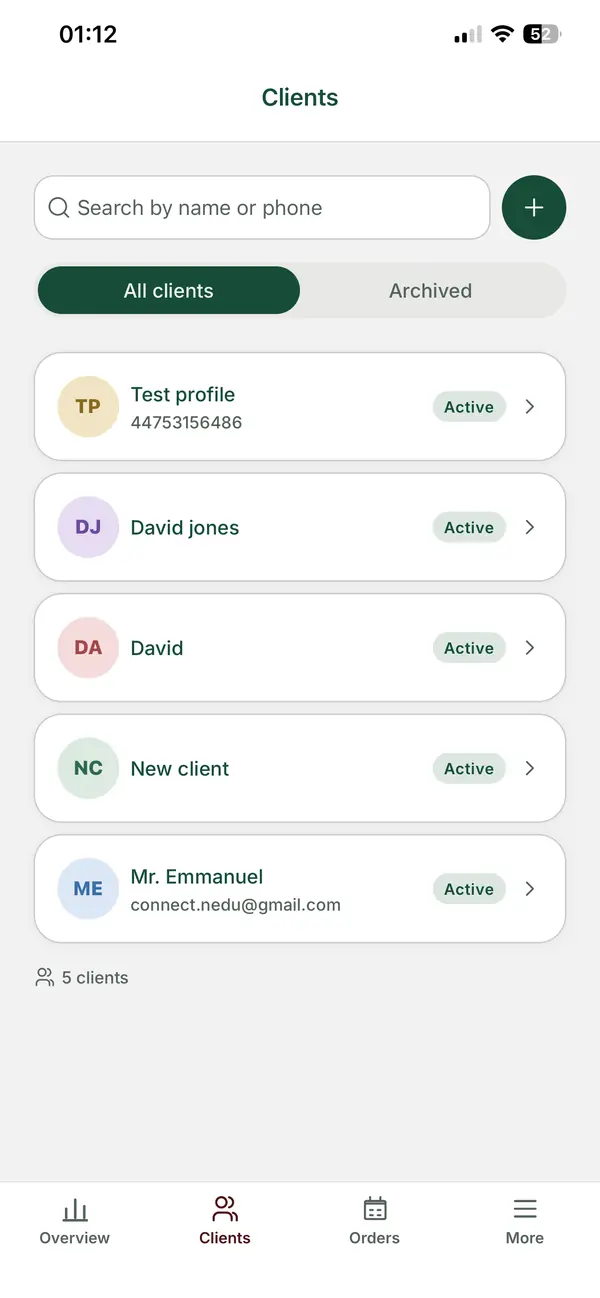
This is easier when your calendar is visible. The ZeDaq.ai tailor tools include orders and a delivery calendar, so you can see your workload before you reply. Below are scripts and a short decision method.
Why is it hard to say no to a rush order?
Clients often have a real deadline, such as a wedding or a trip, and you do not want to disappoint them. Money adds pressure. A rush job can look like extra income.
But a rushed garment risks poor finishing, errors and a late delivery you promised. One bad result can cost more than the rush fee earned.
How do you decide whether to accept?
Ask four questions before you answer:
- Is there space on my calendar? Check actual orders, not memory.
- Can I keep the quality? Complex tailoring takes the time it takes.
- Will it delay other clients? Their dates are promises too.
- Is the rush fee worth it? See how to price rush orders if you decide to accept.
If any answer is no, decline or offer another date.
What should you say when you decline?
Use a short, warm structure: thanks, reason, alternative.
Script for a firm no
"Thank you for thinking of me. I am booked with other orders until the 20th, so I cannot finish this safely before your date. I would be glad to start on the 21st and deliver by the 28th."
Script when you can offer a partial option
"I cannot make the full outfit by Friday. I can finish the jacket by then and the trousers a week later. Would that help?"
Script for repeat rush requests
"I want every piece to be right, so I have a standard lead time for all clients. I will put your order first on the next open slot. Can we plan ahead for your next event?"
Send these by message or email, and keep a copy with the order.
How do you offer alternatives without overpromising?
Choose one of these:
- A later date you can keep. Give a specific date, not "as soon as possible."
- A split delivery. Finish the main piece first.
- A smaller job. Offer a simple alteration if the full garment is too much.
- A referral. Point the client to a trusted colleague.
Never promise a date you are unsure of just to avoid a hard conversation.
What if the client is a regular or a friend?
Regulars and friends are the hardest to refuse. The same rules apply, but the tone can be warmer.
Name the relationship in your reply: "You are one of my longest clients, which is why I will not rush your dress." This shows that the no protects their garment. Then offer a date and ask if you can plan their next order early.
Do not make exceptions that you would not make for others. Clients talk, and one exception becomes an expectation.
What if you say yes only sometimes?
Some tailors accept rush work under set conditions. If you do, write the conditions down:
- A rush fee that is stated before you agree.
- A limit on how many rush jobs you take at once.
- A simple design only, with no complicated fabric or major changes.
- Full payment, or a larger deposit, before work begins.
Having the rule ready lets you say, "I take one rush job a week, and this week's slot is full," which is easier than saying no every time.
How do you handle pressure from an upset client?
If a client is upset, stay calm and keep your reply short. Repeat the date you can keep and the reason. Avoid long apologies or excuses, which can invite more negotiation.
If they leave, that is acceptable. A client who needs a garment you cannot make safely is better served by someone else, and you avoid a rushed job under your name.
How can you prevent rush requests?
Share your lead time before the order starts. Put it on your order form, price list and chat greeting. If a client sees "standard turnaround is three weeks," they plan ahead.
Group orders can also strain your calendar, so set deadlines early. Read discounts for bulk tailoring orders for how to build timing into group pricing.
Does a spreadsheet work for managing workload?
It can, but dates are easy to miss. Compare the options in ZeDaq.ai vs Excel for tailors to see what suits your volume.
See your workload before you reply
FAQs
Is it rude to refuse a rush order?
No. A clear, kind answer with an alternative is professional. Clients value honesty over a missed deadline.
Should I always charge extra for rush work?
Not always. If you accept, a rush fee reflects overtime and disruption. If you decline, no fee applies.
What if the client keeps pushing?
Repeat the date calmly and do not negotiate on quality. You can add that you would rather deliver late than deliver poorly.
How far ahead should I tell clients my lead time?
Before they place the order. Put it on your price list, order form and first reply.
Try ZeDaq.ai free
Virtual try-on and Find my size for your store, plus client, order and invoicing tools for tailors, in one subscription.

