
How to Register a Fashion Business in South Africa
By the ZeDaq.ai team · · 4 min read
On this page
- What registration options does CIPC offer?
- How much does company registration cost and how long does it take?
- How do you register step by step?
- What should you prepare before you apply?
- Why does a fashion business benefit from registering?
- What if you only want to start small?
- What about tax?
- What should you set up once you are registered?
To register a fashion business in South Africa as a company, you reserve a name and register with the Companies and Intellectual Property Commission (CIPC), which you can do online. The CIPC website lists company registration as an e-services and BizPortal service. Checked November 2026.
This guide is for tailors and designers who want to formalize their work. If you are still planning, start with how to start a tailoring business in South Africa. Tools for clients, orders and invoices are on the ZeDaq.ai tailors page. This is general information, not legal or tax advice, so confirm every detail with the official bodies.
What registration options does CIPC offer?
The CIPC site names these company types:
- Private company
- Non-profit company
- Personal liability company
- Public company
- State-owned company
- Incorporated company
Most small fashion businesses that register as companies look at a private company, but you should confirm which type suits you. A lawyer or accountant can advise on structure and liability.
Whether you need to register a company at all depends on how you want to trade. For personal tax, check with SARS instead of assuming.
How much does company registration cost and how long does it take?
According to the CIPC home page, company registration may vary between R125 and R475. It lists R125 for a private company and R475 for a non-profit company registered without members.
The same page says short standard registrations have a turnaround of 1 working day through e-services, and are immediate through channels such as BizPortal when payment is made immediately. These figures can change, so check the site on the day you apply.
How do you register step by step?
- Choose your business name and have two or three backups ready.
- Reserve the name through CIPC e-services, BizPortal, the CIPC mobile app, a self-service terminal, or a bank. The CIPC page lists these channels.
- Pick your company type and complete the application on one of the listed channels.
- Pay the fee as instructed. The CIPC page says payment made immediately speeds up delivery.
- Keep your registration documents safe. You will need them for banking and clients.
Name reservation is not the same as registration, so complete both.
What should you prepare before you apply?
Having these ready saves time:
- Your full name and identification details. The application asks who owns the company.
- A shortlist of company names. If the first is taken, you need alternatives.
- A decision on ownership. Decide who owns and runs the business before you register.
- A payment method. The CIPC page says payment made right away is what allows immediate delivery on short registrations.
Ask an accountant or lawyer if you plan to bring in partners.
Why does a fashion business benefit from registering?
A registered company is easier to deal with. Boutiques, event clients and suppliers often prefer to work with a business that has proper documents, especially for larger orders.
It also gives your brand name some protection against others registering a company with the same name. That is not the same as a trademark, so ask an adviser if brand protection matters to you.
What if you only want to start small?
Many designers begin with a few clients and a notebook. You can keep records tidy from day one, even before you register. Note each client's measurements, deposit and delivery date in one place, and keep every receipt.
When your volume grows, you will have the history needed for registration, banking and tax. The guide to starting a fashion or tailoring business: the first tools lists what to set up first.
What about tax?
Registering with CIPC is separate from tax. Visit the South African Revenue Service (SARS) to check what applies to you, including income tax. SARS publishes guides on income tax for individuals, and the rules depend on your structure and income.
What should you set up once you are registered?
A registered business should also run like one:
- Open a business bank account.
- Keep every client's measurements and orders together. The guide to measurement capture tips for tailors helps.
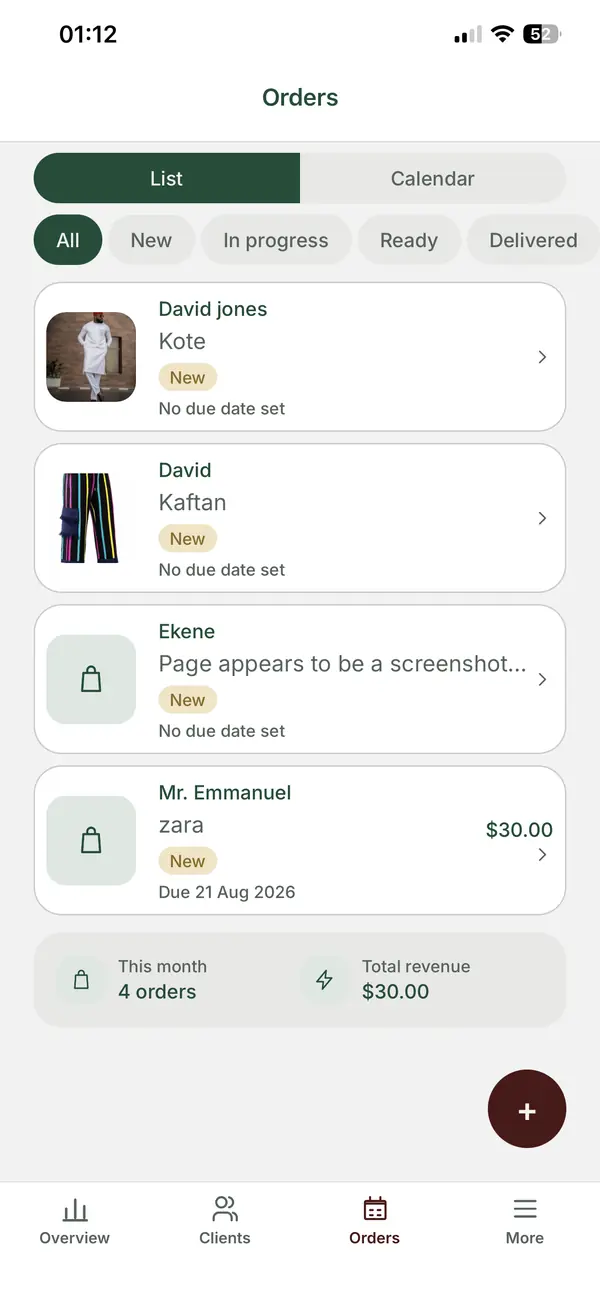
- Send professional invoices. ZeDaq Business, the mobile app for tailors and designers, supports invoicing in multiple currencies, including NGN, GBP and USD.
- Think about selling online. Read Shopify in South Africa: what works and what doesn't.
- If you work with clients in other countries, compare the steps in registering a fashion business in the US.
Manage clients, orders and invoices in one place
FAQs
Can I register a company in South Africa online?
Yes. The CIPC website lists company registration through e-services and BizPortal.
What is the difference between name reservation and registration?
Name reservation holds a name for you. Registration creates the company. Both are listed as separate steps on the CIPC site.
Do I have to register a company to sew for clients?
That depends on how you want to operate and on the law. Ask CIPC, SARS or a qualified adviser before deciding.
Do fees stay the same?
Not necessarily. The fees quoted here come from the CIPC page checked in November 2026, so confirm current fees before applying.
Try ZeDaq.ai free
Virtual try-on and Find my size for your store, plus client, order and invoicing tools for tailors, in one subscription.

