How to Register a Fashion Business in the US
By the ZeDaq.ai team · · 4 min read
On this page
To register a fashion business in the US, pick a business structure, register it with your state if the structure requires it, get a federal Employer Identification Number (EIN) if you need one, and check licenses and permits. The rules vary by state and city, so confirm each step with the official body.
This guide is for tailors, dressmakers and designers who are starting up. It also covers how to keep your client records straight once you are registered, using tailor business tools from ZeDaq.ai.
This is general information, not legal or tax advice.
What business structure should a fashion business choose?
The U.S. Small Business Administration (SBA) explains the main options on its choose a business structure page:
| Structure | In short |
|---|---|
| Sole proprietorship | Simplest. You are automatically one if you operate without registering as another type. The owner is personally liable for business debts. |
| Partnership | Two or more owners. |
| LLC | Combines features of corporations and partnerships. Owners are generally not personally liable for business debts. |
| Corporation | Separate legal entity. More record-keeping and cost. |
A sole proprietorship suits many solo tailors starting small. An LLC separates your personal and business risk, which matters if you hire people or sell to many clients. Ask a lawyer or accountant before you decide.
How do you register the business with your state?
The SBA says a sole proprietorship generally does not need to register as a business entity, though some states require a registered DBA ("doing business as") if you trade under a name that is not your own. LLCs, corporations and partnerships typically register with the state, often through the Secretary of State.
- Choose a name and check it is available in your state.
- File the formation documents for an LLC or corporation, or a DBA if your state requires it.
- Name a registered agent where the structure needs one.
- Keep the confirmation in your records.
Each state sets its own forms and fees, so use your Secretary of State's website for the exact process.
Do you need an EIN for a fashion business?
An EIN is a federal tax ID number for a business. The IRS page on getting an EIN says you typically need one to hire employees, operate a partnership or corporation, or pay sales and excise taxes. It also says an EIN is free and you apply on IRS.gov.
For an LLC or corporation, the IRS says to form it with your state first, or the application may be delayed. A sole proprietor with no employees can often use a Social Security number instead, but check the IRS rules for your case.
What licenses and permits might you need?
The SBA's licenses and permits page says federal agencies license only certain regulated activities, while states regulate a broader range and cities or counties may require their own licenses, including for retail. A home-based tailoring studio may also face local zoning rules.
The same page recommends checking your state and local government sites and your state tax department. It is the place to learn whether you must collect sales tax on garments or alterations, because that depends on your state.
What should a worked checklist look like?
Use this order for a new solo designer:
- Pick a structure (sole proprietorship or LLC).
- Choose and check the business name.
- Register with the state, or file a DBA if needed.
- Apply for an EIN if the IRS rules require one.
- Check city and county licenses.
- Ask your state tax department about sales tax.
- Open a separate business bank account.
Writing down the date and confirmation number for each step helps if you are ever asked to prove registration.
How do you run the business once it is registered?
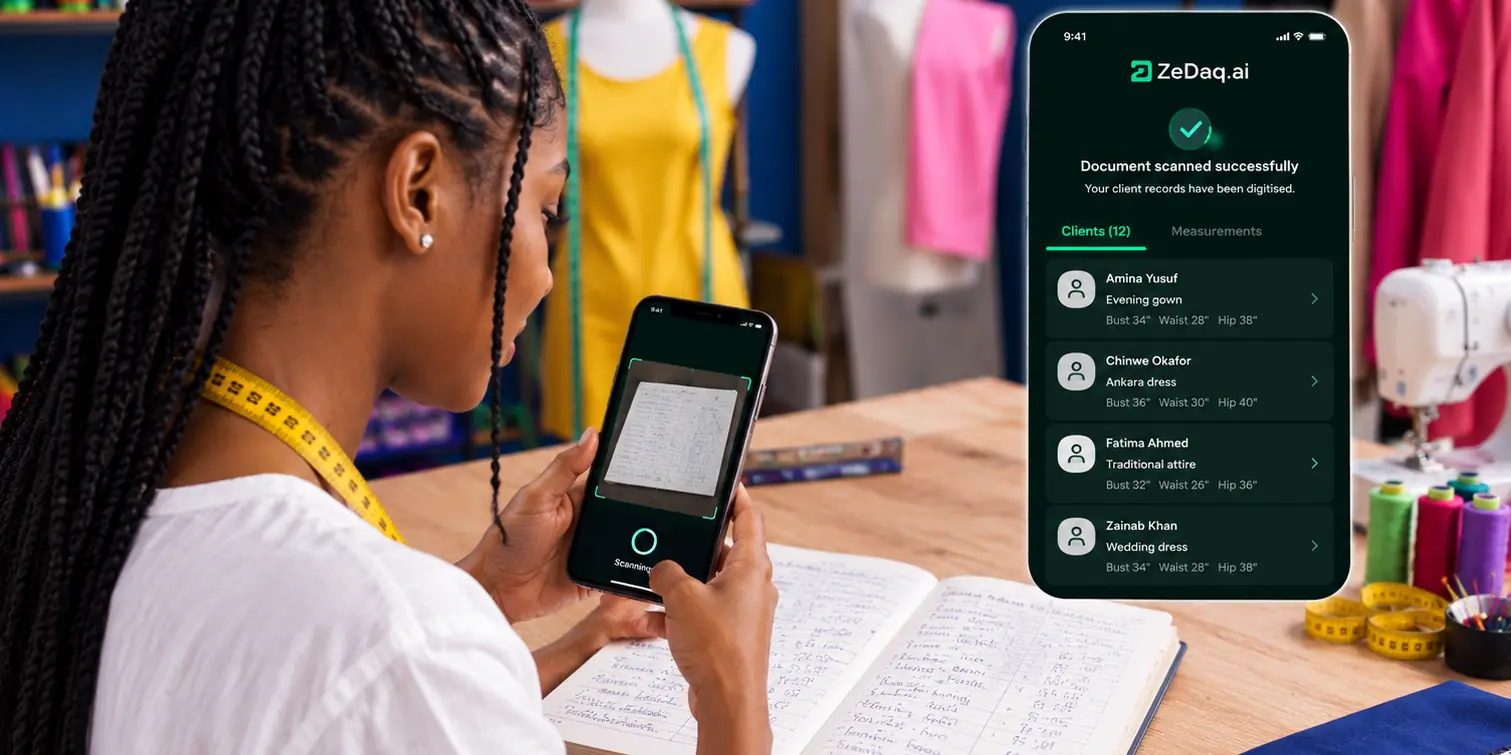
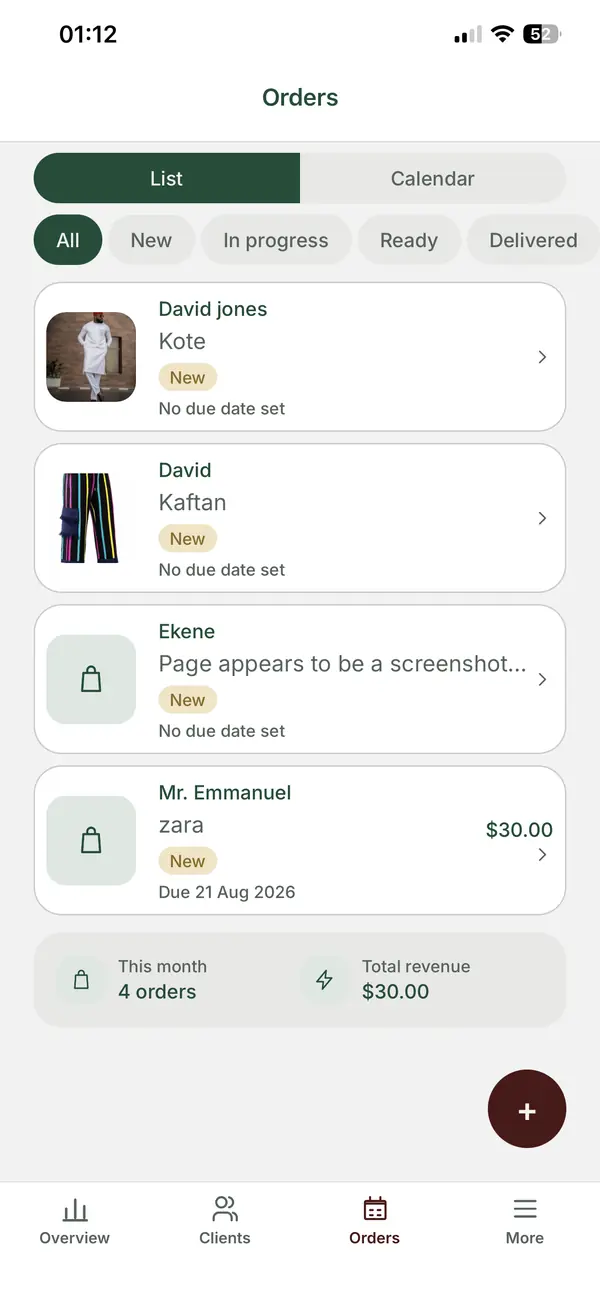
Registration is the legal side. Day to day, you still need client records, measurements, orders and invoices. ZeDaq.ai's tailor tools include a client CRM, measurements through a link the client opens on their phone, orders with a delivery calendar, and invoicing in multiple currencies including USD.
If you are moving off chat apps and notebooks, compare options in ZeDaq.ai versus WhatsApp Business for tailoring.
If you plan to work in other countries, see how registering a fashion business in the UK and in Nigeria differ.
Keep clients, orders and invoices in one place
FAQs
Do I have to register as a sole proprietor?
According to the SBA, a sole proprietorship generally does not need to register as a business entity. Some states require a DBA if you use a trade name.
Is an EIN required for every fashion business?
No. The IRS lists situations where you typically need one, such as hiring employees or operating a partnership or corporation. Check its page for your case.
Does an LLC protect my personal assets?
The SBA says LLC owners are generally not personally liable for business debts, though it notes this protection has limits. Ask a lawyer for advice on your situation.
Where do I find my state's requirements?
Start with your Secretary of State's website, then your state tax department and your city or county.
Try ZeDaq.ai free
Virtual try-on and Find my size for your store, plus client, order and invoicing tools for tailors, in one subscription.

