Advance Exchanges: Ship the New Size First
By the ZeDaq.ai team · · 4 min read
On this page
An advance exchange means you ship the replacement size before the customer's original item comes back. The customer gets the right size sooner, but you carry the risk that the first item never returns.
This guide is for fashion store owners deciding whether the speed is worth the risk. Advance exchanges are one tool in a wider approach to wrong-size orders, which starts with good AI size recommendation for fashion stores.
How does an advance exchange work?
The normal order of an exchange is return first, then replacement. An advance exchange reverses it.
- The customer asks to swap a size.
- You approve it and check that the new size is in stock.
- You ship the new size right away.
- The customer sends the first size back, using the instructions or label you provide.
- You inspect the return when it arrives and close the exchange.
The customer waits less, since they do not have to wait for the return to travel and be processed.
When is an advance exchange worth it?
It suits some situations better than others. Consider it when:
- The customer needs the item for a date, such as an event
- The garment is high demand and you want to keep the sale
- The customer has a good order history with you
- The item is low value, so a loss would be small
- The new size is in stock and ready to ship
Skip it for expensive pieces, one-of-a-kind items, or new customers you cannot yet judge. Review the results after a few months and drop it if the losses outweigh the goodwill.
What does an advance exchange look like in practice?
A customer buys a dress for a wedding and finds the medium too tight. The event is close.
- You confirm the large is in stock.
- You email the terms: the medium must go back by a set date.
- You ship the large with a prepaid return label inside.
- The customer posts the medium back.
- You check it and close the case.
If the medium does not arrive, your policy decides what happens next. That is why the terms go in writing first.
What is the fraud risk?
The main risk is that a customer keeps both items. This can happen on purpose or because they forget. You are then out one garment and two shipping fees.
Other risks include a returned item that is worn, damaged or the wrong product. Because you have already shipped the replacement, you have less leverage to sort it out.
Do not assume most customers are dishonest. Plan for the exceptions so that one bad case does not wipe out a month of small wins.
How can you protect your store?
Use a few simple controls:
- Take a card authorization or deposit. If the item is not returned, you can charge for it. Check your payment provider's rules before you do this.
- Set a return deadline. Say clearly how long the customer has to send the first item back.
- Limit who qualifies. Offer it to repeat customers or orders under a set value.
- Send a prepaid label. An easy return is more likely to happen.
- Write it down. Put the terms in your policy and repeat them in the exchange email.
Have a plan for non-returns, such as reminder emails and a final notice before you charge.
How does it fit with a normal exchange policy?
Treat advance exchanges as an option, not the default. Keep standard exchanges for most orders and offer the advance version in selected cases.
Your policy on shipping costs should state who pays for each leg. For ways to steer customers toward swaps, see encouraging exchanges instead of refunds.
If you use Shopify, the Shopify Help Center describes how to create an exchange from an order. Check that page for the current steps, since the admin changes over time.
How can you reduce the need for exchanges?
The best protection is fewer wrong-size orders. Shoppers who see a clear size suggestion on the product page have a better chance of getting it right the first time.
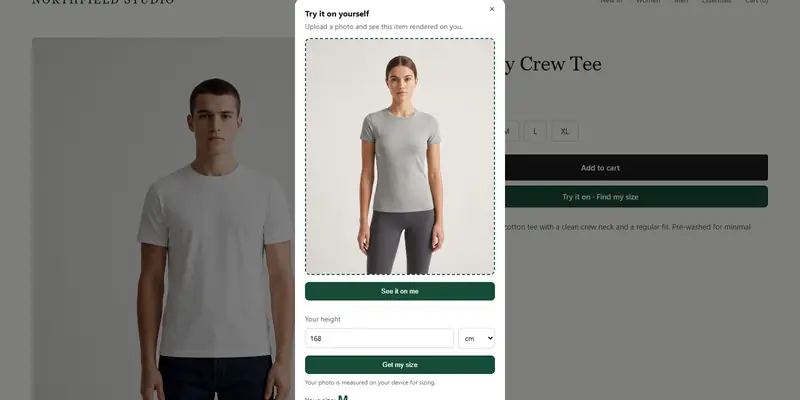
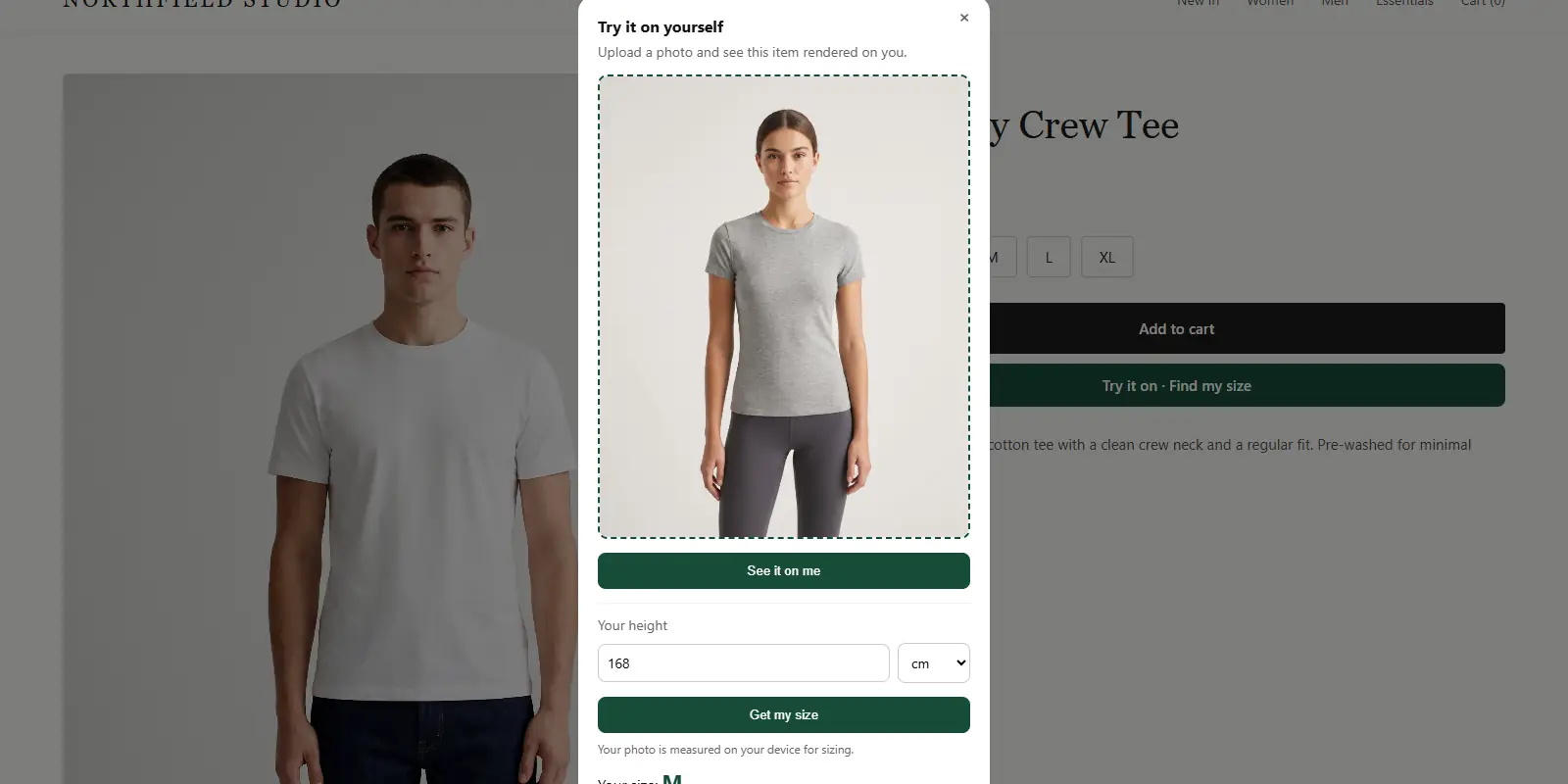
ZeDaq.ai recommends a size from a 30-second body scan (one photo plus height), matched to the store's own size chart. Merchants enter their own chart in the dashboard. Then review your product pages with the product page checklist for fashion stores.
Try size recommendation on your store
FAQs
Is an advance exchange the same as an instant exchange?
The terms are often used for the same idea. In both, the replacement ships before the original comes back. Check how each app or carrier uses the words.
Should I offer advance exchanges to every customer?
Usually not. Limit it to lower-value items and customers you can trust, and keep the standard return-first process as the default.
What if the customer never returns the first item?
Follow the steps in your policy: send reminders, then charge or use the deposit you took. This is why the terms must be clear before you ship.
Do advance exchanges work for custom orders?
Generally no. Made-to-measure pieces cannot be resold easily, so return-first is safer.
Try ZeDaq.ai free
Virtual try-on and Find my size for your store, plus client, order and invoicing tools for tailors, in one subscription.