What to Do With Returned Clothes You Can't Resell
By the ZeDaq.ai team · · 4 min read
On this page
To deal with returned clothes you can't resell, sort each item by its problem, then repair it, sell it as a second, donate it, recycle it or liquidate it. The right route depends on whether the damage is fixable and what the item is worth.
This guide gives you a sorting method and a decision table. The best long-term fix is fewer bad returns in the first place, and AI size recommendation for fashion stores is one way to reduce fit-related ones.
Why can't some returns go back on the shelf?
A returned item may be unsellable because of:
- Stains, odor or makeup marks
- Missing tags or packaging
- Wear, damage or alterations by the customer
- A seasonal item that is now out of date
- A style that no longer sells
Decide a standard for "resellable" and write it down. Then everyone on your team makes the same call.
How do you sort unsellable returns?
Use three bins when returns arrive.
- Fixable. Small flaws such as a loose button, a crease or a light mark.
- Sellable at a discount. Items that work but can no longer be sold as new.
- Not fixable. Heavy stains, damage or hygiene issues.
Photograph each item and record the reason. That data feeds the returns KPIs every fashion store should track.
What are your options for each bin?
| Option | Best for | Watch out for |
|---|---|---|
| Repair and relist | Minor flaws | Labor time versus item value |
| Sell as seconds | Cosmetic issues | Label clearly and describe the flaw |
| Donate | Clean, wearable items | Check the charity accepts the type |
| Textile recycling | Damaged items | Local collection options vary |
| Liquidate in bulk | Large lots of stock | Prices are usually low |
Repair and relist
Fix what costs less to repair than the item is worth. Clean, press and retag it.
Sell as seconds
A "seconds" or "outlet" section lets customers buy a flawed item at a lower price. Describe every flaw and show photos, so buyers know what they get.
Donate
Donate only clean, wearable items. Contact the charity first and ask what they accept. Some can't take underwear or damaged stock.
Recycle
For items that can't be worn, look for textile recycling in your area. Ask your local council or waste authority what exists near you.
Liquidate
Liquidators buy mixed lots, often at a steep discount. This clears space fast, but you recover little. Compare offers from more than one buyer.
For the wider picture of where returned garments end up, read returns and sustainability.
How do you decide whether a repair is worth it?
Compare the cost of the fix with the price you can still get. Count your labor time, cleaning supplies and any new packaging.
Use this quick test:
- Estimate the resale price after the fix.
- Add the cost of cleaning, repair and relisting.
- If the repair costs more than the extra you would earn, choose a different route.
Keep a small repair kit for common issues, such as buttons, zips and light stains. Quick fixes done in bulk on one afternoon cost less than handling items one at a time.
Who should handle the decision in your team?
Name one person, even if it is you. A returns owner makes the sorting calls and keeps the log. Without one, items pile up in a corner and lose value as the season changes.
Set a weekly slot to clear the pile. Items sold or donated within the season keep more value than items stored for months.
How do you stop making unsellable returns?
Many returns are about fit. When shoppers can see the right size before they buy, fewer garments get tried on at home and sent back worn or marked.
- Write clear size guides and fit notes.
- Show real garments on different bodies.
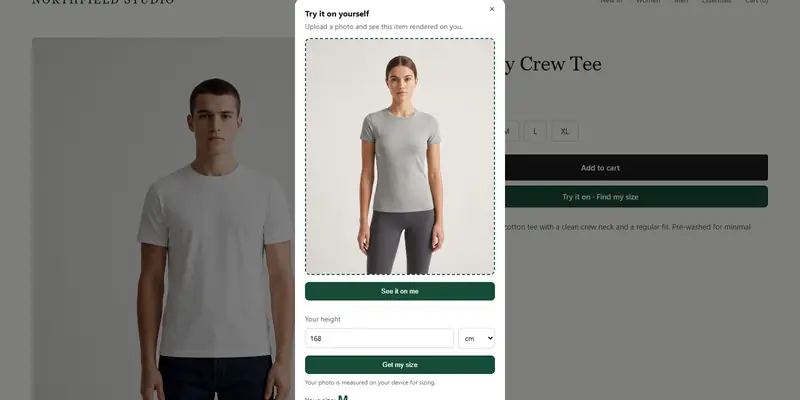
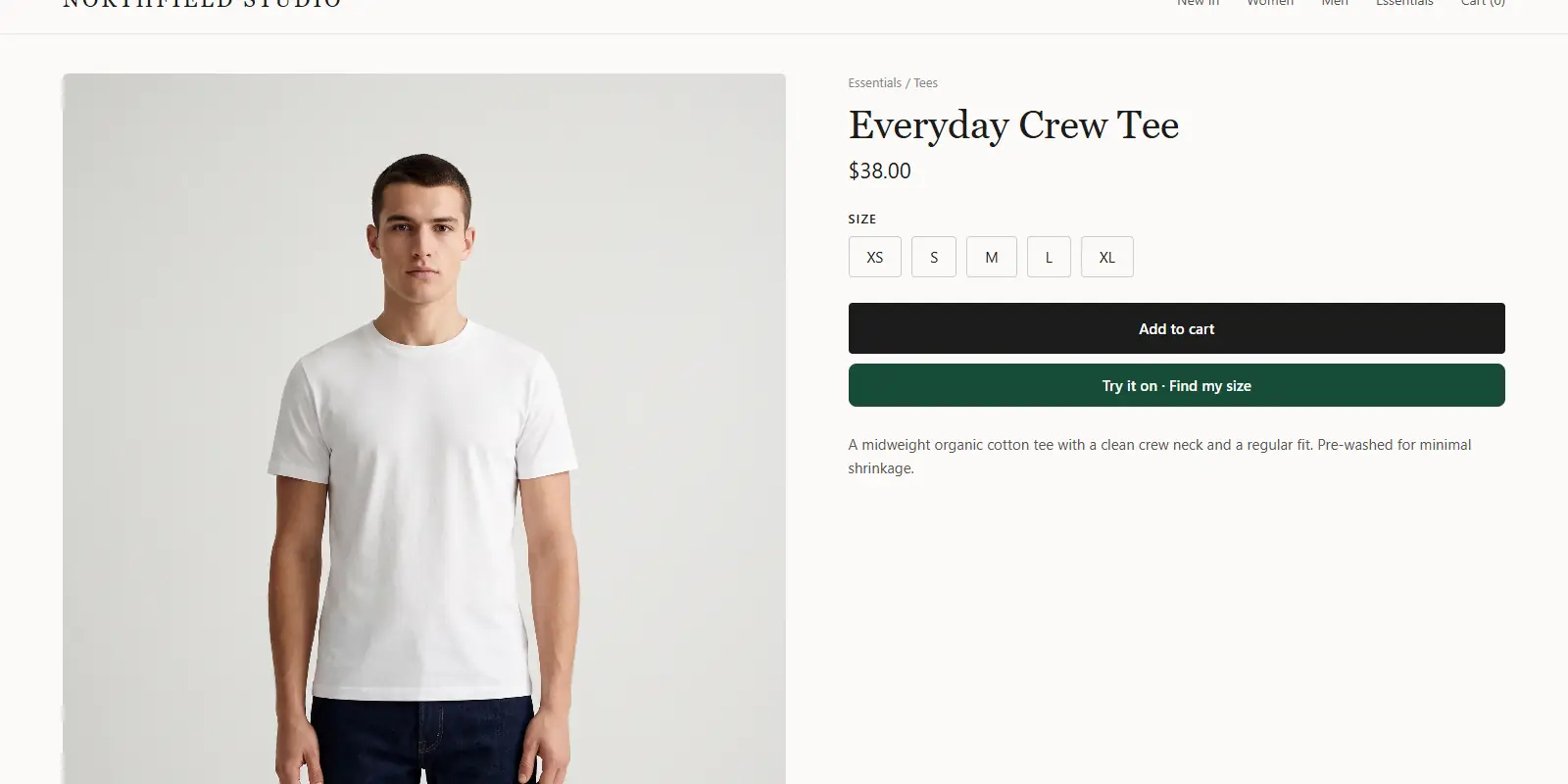
- Offer a size suggestion on the product page.
The product page checklist for fashion stores covers photos, fit notes and try-on in one place.
ZeDaq.ai offers AI try-on and a size recommendation from a 30-second body scan. The Free plan is $0 and includes 3 try-ons and 3 measurements a month. Micro is $1 for the first month on a first paid monthly plan, then $14 a month.
Help shoppers pick the right size first
How should you describe seconds to buyers?
Honesty protects your reputation. Name each flaw in the listing, show it in a close-up photo, and say why the price is lower.
Use plain labels such as "light mark on hem" or "missing button, spare included." Buyers who know the flaw rarely return the item.
FAQs
Should I refund items I can't resell?
That depends on your return policy and local law. Set the condition rules in your policy, and apply them consistently.
Is it better to donate or to recycle?
Donate items that are clean and wearable. Recycle those that are too worn or damaged to be used again.
Can I charge a restocking fee?
Some stores do. Check the rules that apply where you sell, and state any fee clearly in your return policy.
How do I track what I lose to unsellable returns?
Log each unsellable item with its reason and cost. Over time, the pattern shows which products or sizes need attention.
Try ZeDaq.ai free
Virtual try-on and Find my size for your store, plus client, order and invoicing tools for tailors, in one subscription.