Returns and Sustainability: Where Returned Clothes Go
By the ZeDaq.ai team · · 4 min read
On this page
- What happens to a returned garment?
- What are the five routes for returned clothes?
- Why do some returns end up in landfill?
- Which returns are the most avoidable?
- What does a grading system look like in practice?
- How can you handle the returns you do get?
- Can repair and alteration reduce waste too?
- How do returns affect your budget and your footprint together?
Returned clothes go one of five ways: back on the shelf, into discount or resale channels, to donation, to recycling, or to landfill. Which route an item takes depends on its condition, the cost of handling it and the systems the store has in place.
Fewer wrong-size returns means fewer items entering this chain at all. The AI size recommendation guide covers how stores cut fit mistakes before checkout, and this article covers what happens after a return arrives.
What happens to a returned garment?
A returned item is inspected first. The store or its warehouse checks for wear, stains, missing tags and damage.
Then it is sorted into one of the routes below. No single route fits every item, which is why a grading system helps.
What are the five routes for returned clothes?
| Route | Typical condition | What it means |
|---|---|---|
| Restock | Unworn, tags on | Goes back to full-price stock |
| Discount or outlet | Light wear, packaging damage | Sold at a lower price |
| Donation | Clean but not sellable as new | Goes to charity partners |
| Recycling | Worn or damaged | Fibers or fabric are recovered |
| Landfill or incineration | Dirty, damaged or not worth handling | Disposed of as waste |
The table shows the options in general terms. Each store's actual mix depends on its own volume and partners.
Why do some returns end up in landfill?
Cost is the main reason. Inspecting, cleaning, repackaging and reshipping an item can cost more than it is worth, especially for low-priced garments.
Textile waste is a large problem in general. The US Environmental Protection Agency reports that landfills received 11.3 million tons of textiles in 2018, which is the latest year in that dataset. That figure covers all textiles, not only online returns.
Which returns are the most avoidable?
Fit returns are the ones a store can influence most. A shopper who orders the wrong size sends back a garment that is often in perfect condition, but still adds shipping and handling.
The article on fit-related returns and how to cut them breaks down where these come from. Clear size guides, fit notes and size recommendations all help the shopper get it right the first time.
What does a grading system look like in practice?
A grading system can be a three-line card pinned above the returns table. Staff match each item against it, so the same garment gets the same route whoever opens the parcel.
- Grade A: unworn, tags attached, original packaging. Restock at full price.
- Grade B: tried on, clean, no marks. Sell at a reduced price or through an outlet page.
- Grade C: marked, stained, damaged or smells of perfume or smoke. Repair if cheap, otherwise donate or recycle where the charity accepts it.
Check each partner's rules before you promise anything. Charities and recyclers set their own conditions, and they differ.
How can you handle the returns you do get?
Treat returned clothes as stock that needs a plan, not a pile.
- Grade each item on arrival. Use three or four grades, such as new, light wear and damaged.
- Decide the route for each grade in advance. Write it down so staff do not decide case by case.
- Clean and repair first. A quick fix can move an item up a grade.
- Record the reason for return. This shows which products create the most waste.
For unsellable items, the guide on what to do with returned clothes you can't resell covers donation, recycling and repair options in more detail.
Can repair and alteration reduce waste too?
Yes. Some returns are small fit problems that a hem or a seam can solve. Offering an alteration route instead of a refund keeps the garment with the customer.
The article on offering alterations as an alternative to returns explains how to set that up. It suits stores with a local tailor partner.
How do returns affect your budget and your footprint together?
Waste and cost point in the same direction. Every item that is graded, cleaned and resold keeps value, while every item thrown away loses its margin and adds to landfill.
If you are planning a returns budget, the article on returns budgeting for a new brand shows how to include handling and disposal costs. Do not assume every return can be resold.
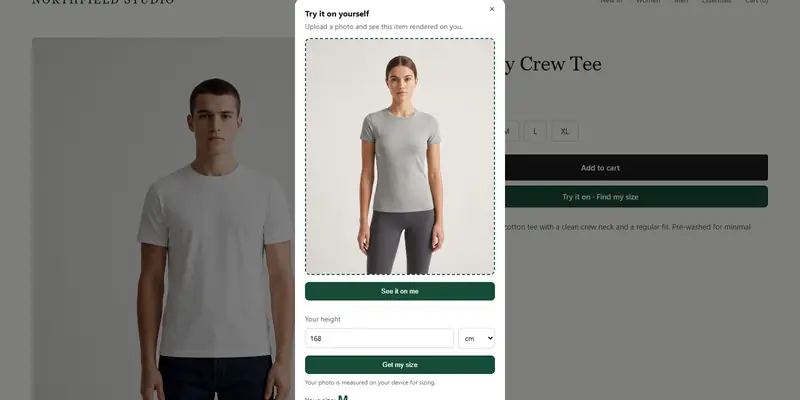
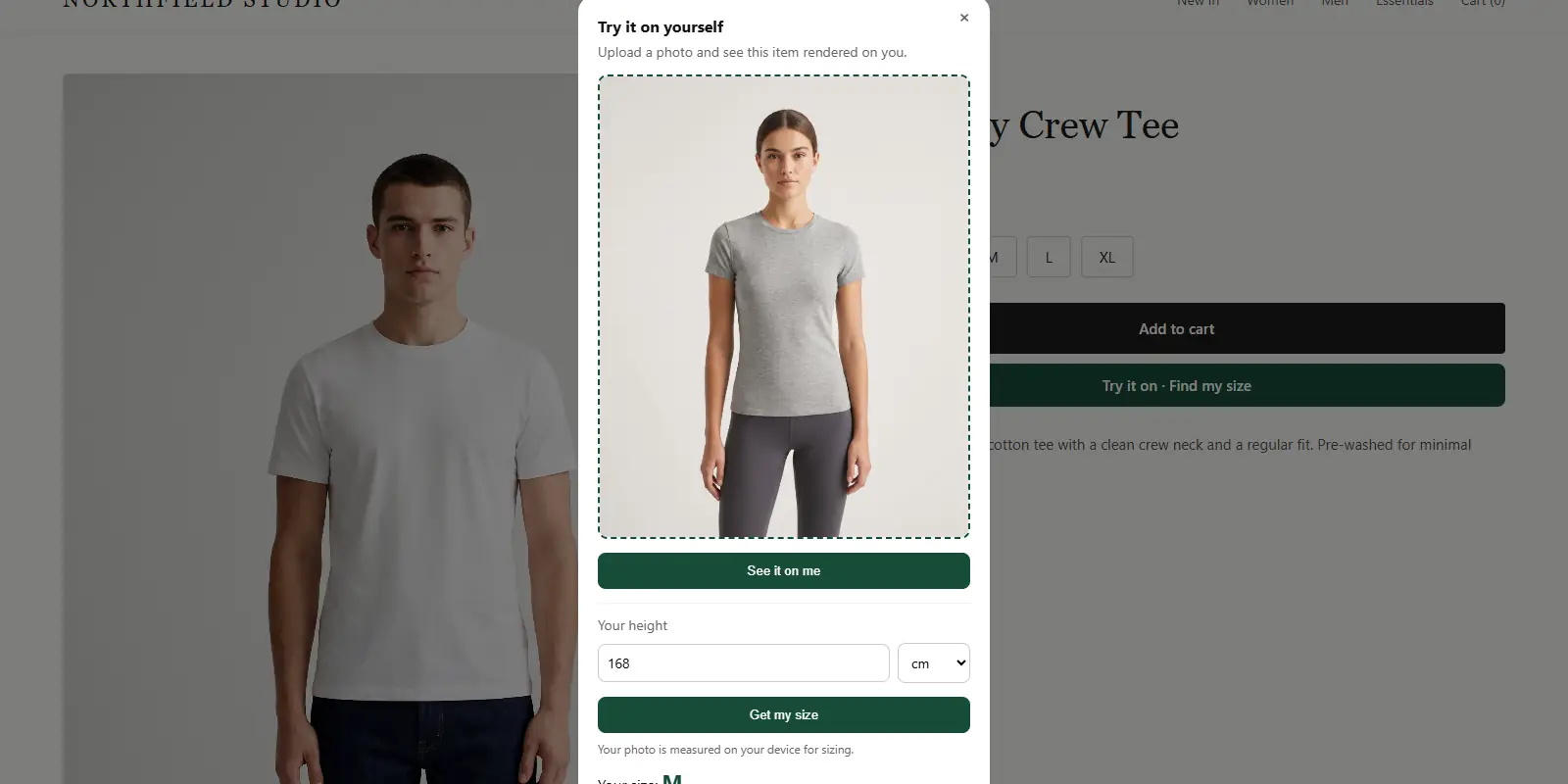
You can also see how a try-on and size recommendation tool fits into your own store. ZeDaq.ai offers a 3-day free trial on paid plans with no card required, and a Free plan with 3 try-ons and 3 measurements a month.
Test fit tools on your own products
To read about how try-on connects with return volumes, see how virtual try-on reduces clothing returns.
FAQs
Do stores really throw returned clothes away?
Some do, particularly when an item is damaged or handling costs more than the item is worth. Stores with grading, donation and recycling routes send fewer items to landfill.
Is donation always better than recycling?
Not always. Donation suits clean, wearable items, while recycling suits worn or damaged ones. Choose by condition.
Does free returns shipping increase waste?
It can make returning easier, which may lead to more returns. Stores can balance this with clear size guides and fit tools that help shoppers choose correctly.
What is the simplest first step?
Start recording why each item is returned. Once you know the main reasons, you can fix the biggest source of avoidable returns first.
Try ZeDaq.ai free
Virtual try-on and Find my size for your store, plus client, order and invoicing tools for tailors, in one subscription.