The True Cost of a Clothing Return
By the ZeDaq.ai team · · 5 min read
On this page
A clothing return costs you much more than the refund. You also pay for shipping in both directions, the time to process the parcel, the value the garment loses before it sells again, and the sale you already counted as revenue.
Most of that cost is hidden in separate lines of your accounts. This guide shows each part so you can add up your own number. Many returns come from fit, so size recommendation for fashion stores is one lever, but first you need to know what a return costs you today.
How big is the returns problem for online fashion?
Online sales are returned more often than store sales. The National Retail Federation (NRF) and Happy Returns estimated that 19.3% of online sales would be returned in 2025.
That is an industry-wide figure across all categories. Fashion stores should measure their own rate rather than assume it matches.
What costs make up one return?
Think of a return as a chain of small costs. Each one is easy to overlook alone.
| Cost | What it covers |
|---|---|
| Outbound shipping | What you paid to send the order the first time |
| Return shipping | A prepaid label, or the cost of a drop-off point |
| Refund and payment fees | Some payment processors do not give back their fee on a refund. Check your own processor's terms. |
| Receiving and inspecting | Staff time to open, check and photograph the item |
| Cleaning, pressing, repackaging | Labor and materials to make it sellable |
| Markdown or write-off | Items that cannot be sold at full price |
| Customer support | Emails and chats about the return |
| Lost sale | Stock that sat with the customer instead of selling to someone else |
How do you calculate the cost of one return?
Use your own numbers, not an industry average. Take one month of returns and work through these steps.
- Count the returned orders for the month.
- Add up the return shipping you paid, plus the outbound shipping on those same orders.
- Estimate minutes of handling per parcel, multiply by your hourly labor cost, then by the number of parcels.
- Add the markdown or write-off on items you could not resell at full price.
- Add any payment fees you lost on refunds.
- Divide the total by the number of returns.
The result is your cost per return. Compare it to your average profit per order. For many stores the two are closer than expected.
What does the calculation look like in practice?
Write the formula once and reuse it each month. Every figure comes from your own accounts:
- Cost per return = (outbound shipping + return shipping + handling labor + markdown + lost payment fees) ÷ number of returns.
- Return rate = returned orders ÷ total orders for the same period.
- Total monthly cost = cost per return × number of returns.
If you pay a courier a flat rate each way, the shipping part is easy. Handling is the part most owners underestimate, because the time is spread across the day. Time a few parcels with a phone timer to get a real average.
Which returns cost the most?
Not all returns cost the same. Look at three things:
- Heavy or bulky items cost more to ship twice.
- Seasonal items lose value quickly if they come back late.
- Worn or damaged items may never be resold. If this is a pattern, read about return fraud in fashion ecommerce.
Sorting returns by reason code shows which of these you have. The guide to analyzing return reasons by product explains how.
Can you recover some of the cost?
Yes, in a few ways. None removes the cost, but each reduces it:
- Offer an exchange first. The sale stays with you if the shopper swaps size instead of refunding.
- Offer a small alteration. A quick fix can save a sale, as in common alteration fixes and what they cost.
- Fix the cause. If many returns say "too small" or "too large", the size information on the product page is the problem.
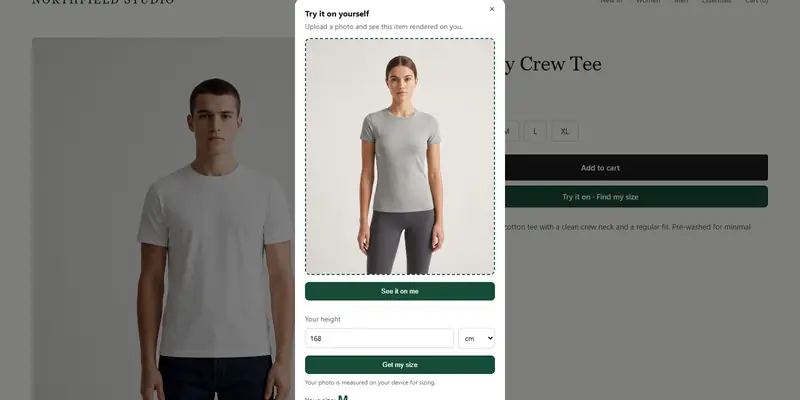
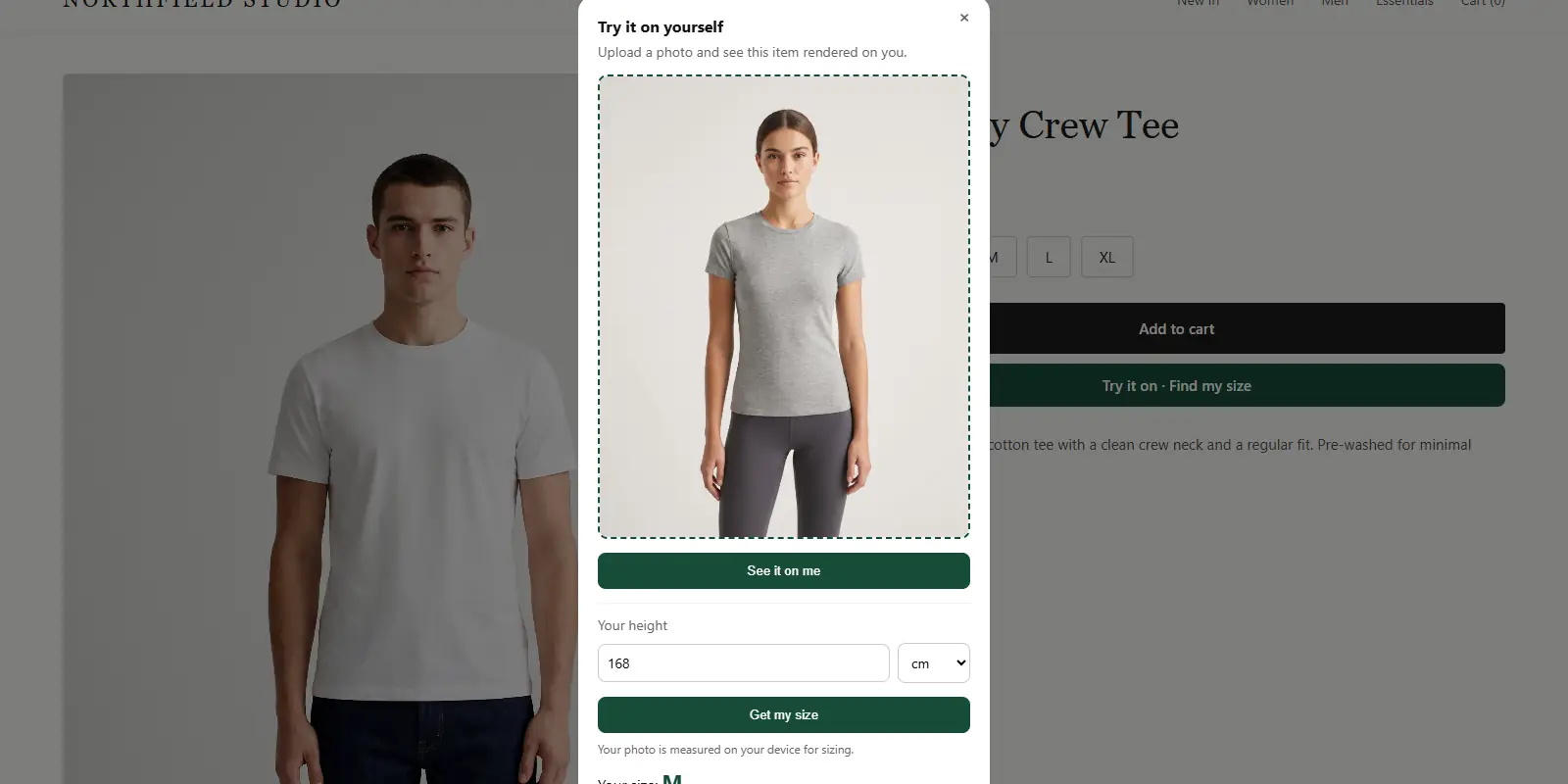
- Reduce guesswork before purchase. When shoppers can see the garment on themselves, fewer orders are a surprise on arrival. See how virtual try-on can reduce clothing returns.
What hidden costs do owners forget?
A few costs never appear on a return invoice but still count:
- Stock tied up in transit. An item on its way back cannot be sold, which matters most for popular sizes.
- Photography and relisting. A damaged item may need new product photos.
- Slow refunds. Chasing a courier or a customer takes time that has a cost.
- Customer goodwill. A shopper who struggled with a return may not order again.
Write these down even if you cannot put a number on them yet. They help you decide where to focus.
How do you start tracking this?
Keep it simple. Add a return reason to every return, record the shipping cost, and review the totals monthly.
ZeDaq.ai gives shoppers a size recommendation from a 30-second body scan, matched to your own size chart. It is a way to address fit-related returns. The Free plan includes 3 measurements a month if you want to test it.
Give shoppers a size before they order
FAQs
Is the cost of a return the same as the refund amount?
No. The refund is only the money you give back. The real cost also includes shipping, handling, fees and any lost value on the garment.
Do I have to pay for return shipping?
That is your policy choice. Free returns attract buyers but raise your cost per return. Many stores charge for returns or deduct a fee from the refund.
What is reverse logistics?
Reverse logistics is the process of moving goods back from the customer to you. It covers collection, shipping, inspection, and deciding whether to resell, repair or discard.
How often should I review return costs?
Monthly is enough for most small stores. Review sooner after a new collection launches or a size chart changes.
Try ZeDaq.ai free
Virtual try-on and Find my size for your store, plus client, order and invoicing tools for tailors, in one subscription.