Return Fraud in Fashion Ecommerce
By the ZeDaq.ai team · · 4 min read
On this page
Return fraud in fashion ecommerce means getting a refund or credit through dishonest means, such as a fake receipt, a stolen item or a box sent back empty. It is separate from honest returns, and from return abuse, where a customer stays within what they see as acceptable limits. Telling these apart is the first step to a sensible policy.
This guide is for fashion store owners who want to protect margins without punishing good customers. Many returns in fashion start with a fit problem, so AI size recommendation can reduce the honest ones that make fraud harder to spot.
How big is the problem?
Industry figures vary because sources define fraud differently. Here is one recent, clearly defined source.
The Appriss Retail 2026 Total Retail Loss report, covering 2025, says shoppers returned $706 billion in merchandise. Of that, it puts preventable loss from fraud and abuse at 14.2%, or about $100 billion.
The same report splits that figure in two: abuse at 12% of all returns, and fraud at 2%. These are retail-wide figures, not fashion-only, so treat them as context rather than a forecast for your store.
The National Retail Federation and Happy Returns report from December 2024 adds that 93% of surveyed retailers called retail fraud and other exploitive behavior a significant issue for their business.
What is the difference between fraud and abuse?
Appriss defines the two terms this way:
- Abuse is "excessive but legitimate returns." The customer stays within what they perceive as acceptable limits, so it often goes unnoticed.
- Fraud is "fake receipts, returning stolen merchandise, or other behaviors with malicious intent."
Your response should differ. Abuse is often handled with policy changes. Fraud needs documentation, and sometimes help from your payment provider or the authorities.
What are the main types of return fraud in fashion?
The same report names several behaviors that apply to clothing stores:
| Type | What it means |
|---|---|
| Wardrobing | Buying clothing, wearing it, then returning it. The report calls this "rental behavior". |
| Bracketing | Buying several sizes or colors and returning the extras. |
| Receipt fraud | Using fake receipts or returning items without proof of purchase. |
| Stolen merchandise returns | Returning goods that were stolen. |
| Social engineering | Pressuring staff or call centers into overriding policy. |
| Cross-channel exploitation | Moving between online and in-store channels to avoid detection. |
Source: Appriss Retail 2026 report. The report classes wardrobing and bracketing as behaviors, and which ones count as abuse or fraud depends on intent.
What is empty box fraud?
Empty box fraud is when a customer sends back a parcel with nothing in it, or with the wrong item, and claims a refund. The Appriss page we reviewed does not list it by name, so we cannot give a number for it.
You can still guard against it with simple steps, covered next.
How can a fashion store reduce return fraud?
Start with low-cost process steps:
- Photograph outgoing orders for high-value items. A photo of the packed item supports a dispute.
- Require return labels from you. Customers who use your tracked label are easier to match to an order.
- Check returns on arrival. Open each parcel on video for high-value garments, and compare tags, condition and the item to the order.
- Keep clear policy wording. State condition rules, such as tags attached and unworn.
- Flag repeat patterns. Note customers who return nearly every order.
- Match refunds to inspection. Pay the refund after the parcel is checked.
Keep a log of each case. It helps if you need to challenge a chargeback.
How do you avoid punishing honest customers?
Most returns in fashion are honest, and many begin with fit. If a shopper orders two sizes because they are unsure, that is bracketing, but it is also a reaction to poor size guidance.
Reduce the honest causes first:
- Provide accurate measurements for each garment type.
- Add a fit note such as "runs small".
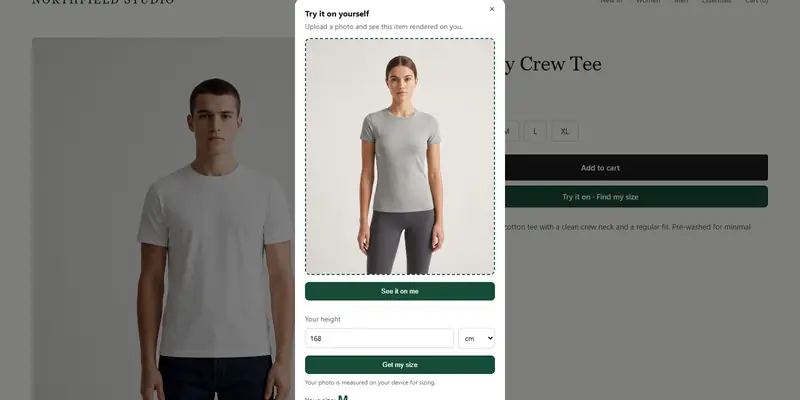
- Offer a size recommendation before checkout.
- Explain your return terms clearly.
Our guide to average return rates for online clothing gives context, and the true cost of a clothing return shows why every return, honest or not, affects margin.
For how try-on fits in, see how virtual try-on affects clothing returns.
What does a good fraud response process look like?
A short written process keeps the team consistent:
- Who inspects returns, and within how long?
- What counts as a suspicious case?
- Who decides on a refund or a denial?
- What evidence do you keep, and where?
Review the process each quarter. Add the lessons from each real case.
Cut the guesswork that leads to honest returns
FAQs
Is wardrobing the same as return fraud?
It depends on intent and on your policy. Appriss describes wardrobing as "rental behavior" and groups behaviors by whether they are abuse or fraud with malicious intent.
Should I ban customers who return a lot?
Review each case first. Heavy returners may be unsure about sizing, not dishonest. Use clear policy and evidence before you restrict an account.
Can a size tool stop return fraud?
No. It targets honest fit-related returns, which makes fraud easier to spot, but it does not stop deliberate fraud.
Do I need to report return fraud to the police?
Serious cases, such as stolen goods, may warrant it. Check local rules and speak with your payment provider.
Try ZeDaq.ai free
Virtual try-on and Find my size for your store, plus client, order and invoicing tools for tailors, in one subscription.