Returns on Sale Items: Policy Options
By the ZeDaq.ai team · · 4 min read
On this page
- What are the three policy options for sale items?
- When does final sale make sense?
- When should sale items stay returnable?
- Is store credit a good middle option?
- How do you word a sale returns policy?
- How do you choose between the options?
- What exceptions should every sale policy include?
- What about holidays and extended windows?
- How can you reduce sale returns in the first place?
For sale item returns, you have three main options: make sale items final sale, treat them like full-price items, or allow returns for store credit only. The right choice depends on your margin and how often a style comes back for fit reasons.
Wrong sizes are a common reason clothing comes back, so a good AI size recommendation for fashion stores can make a returnable sale policy safer. This guide compares the options and shows how to word each.
What are the three policy options for sale items?
| Option | What the shopper gets | Best when |
|---|---|---|
| Final sale | No returns or exchanges | Clearance stock with thin margin |
| Same as full price | Normal returns | Seasonal markdowns on good-margin items |
| Store credit only | Credit, no refund | You want to keep the revenue |
You can also mix them. Many stores use final sale for deep clearance and normal returns for light markdowns.
When does final sale make sense?
Final sale protects margin when the item was already sold at a low price. A refund plus return shipping can wipe out the profit on a discounted item.
It also has costs. Shoppers hesitate to buy something they cannot send back, especially clothing, where fit is uncertain. If you choose final sale, give size help on the page so the buyer feels confident.
When should sale items stay returnable?
Keep them returnable when the markdown is small or when you want to clear stock without losing trust. A returnable sale item looks like a safe purchase.
This approach works best for items with good size information. If a size chart is vague, a returnable policy invites wrong-size orders.
Is store credit a good middle option?
It can be. The shopper still gets a way out, and you keep the money in your store. Say clearly that credit is the only form of return for sale items, and say how long it lasts.
Shoppers dislike surprises, so state the rule before checkout, not after. If a customer complains that a sale item was not what they expected, see how to reduce item-not-as-described returns.
How do you word a sale returns policy?
Keep the wording short and put it where shoppers look:
- State the rule in one sentence, such as "Sale items are final sale."
- Show it on the product page, in the cart and in the policy page.
- Name any exceptions, such as damaged or wrong items.
- Say how store credit works, if you offer it.
- Link to the full policy.
Rules about what you must offer can vary by country and state, so check your local consumer law before you publish a final sale rule.
How do you choose between the options?
Work through these questions in order:
- What is the margin after the discount? If a refund plus shipping would leave a loss, lean toward final sale or store credit.
- How fit-sensitive is the item? Fitted garments get returned more often than loose ones, so be careful with final sale on those.
- Is the stock aged or seasonal? Clearance of last season's styles suits final sale. A light mid-season markdown does not.
- How strong is your size information? Clear measurements make a returnable policy safer.
- What do your competitors do? Shoppers compare policies, so match them unless you have a reason not to.
A worked example: you mark a coat from $120 to $80. If a return costs you $12 in shipping and handling and the coat sometimes cannot be resold at full price, the sale margin shrinks quickly. In that case, offering store credit keeps the revenue and still gives the shopper a way out.
What exceptions should every sale policy include?
Even with final sale, shoppers expect fair treatment when something goes wrong. Most stores allow returns or replacements for:
- Damaged items that arrive broken or torn.
- Wrong items sent by mistake.
- Items that differ from the listing.
Writing these exceptions down makes a final sale rule feel fair instead of strict, and it cuts support emails.
What about holidays and extended windows?
Markdowns often overlap with gift seasons. A longer window may suit those periods. Read holiday returns with extended windows before you set dates.
How can you reduce sale returns in the first place?
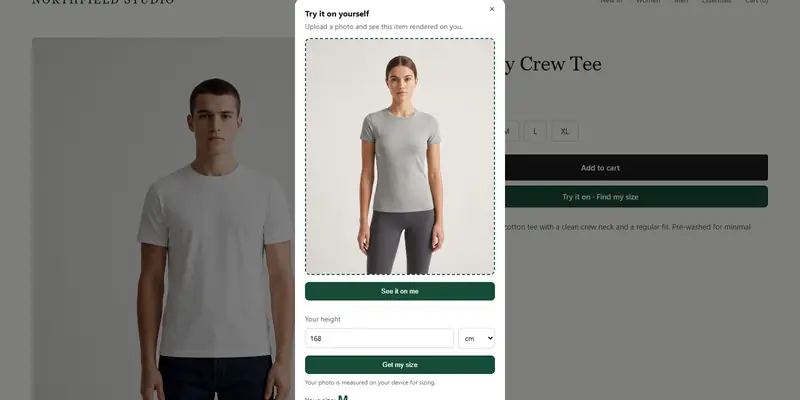
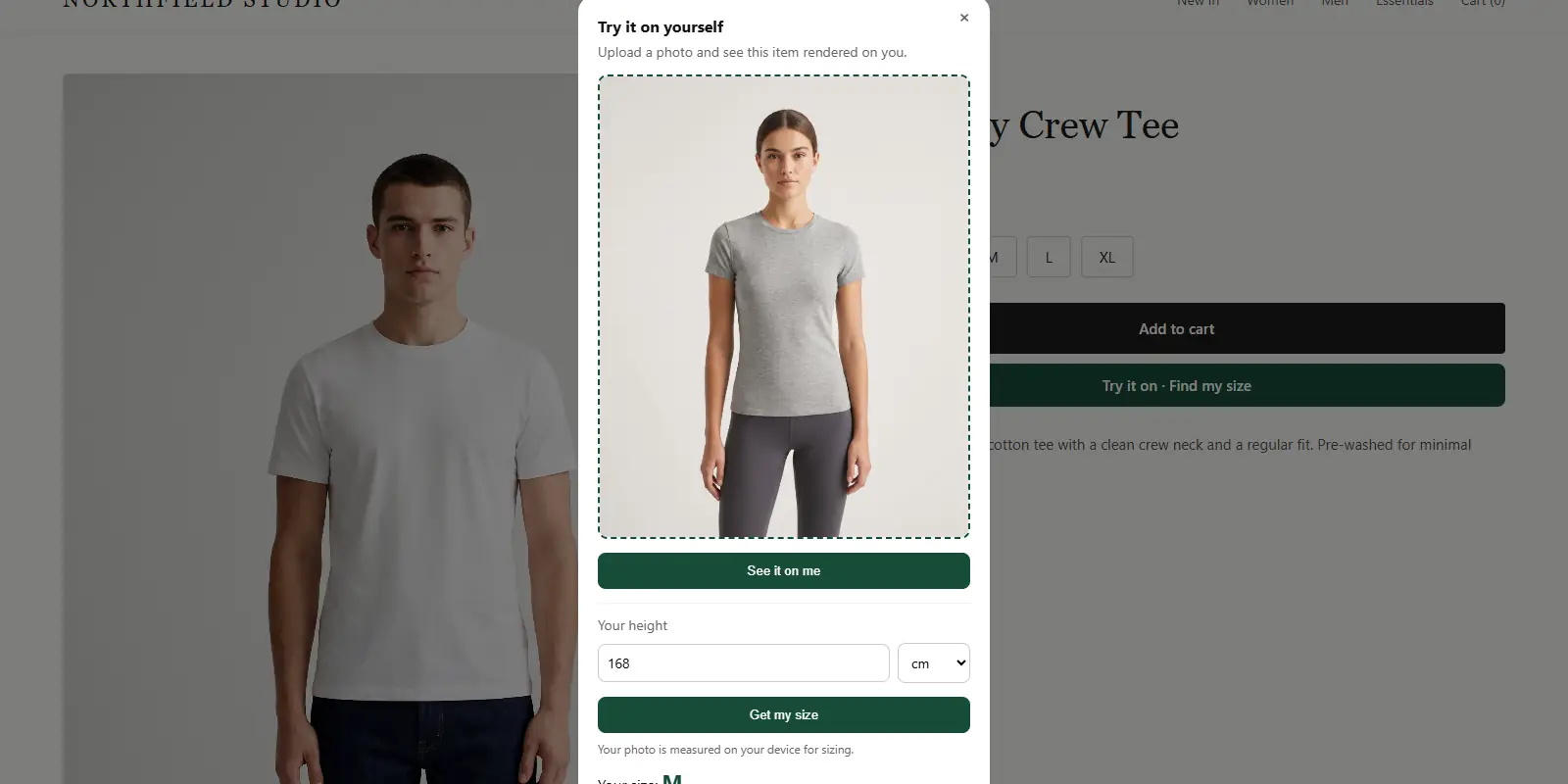
Many sale returns come from size and look. Give clear measurements and let shoppers see the garment on themselves before they buy. ZeDaq.ai offers AI virtual try-on, where the shopper uploads one photo and sees your real garment on their body, and a size recommendation from a 30-second body scan.
For the wider picture, see how virtual try-on reduces clothing returns.
Give sale shoppers more confidence
FAQs
Can I refuse returns on sale items?
In many places you can set a final sale rule, but consumer laws differ. Check your local rules and state the policy before checkout.
Should sale items have a shorter return window?
It is a common compromise. A shorter window keeps the option open for shoppers while limiting how long stock is out.
Is store credit the same as a refund?
No. Credit stays in your store and cannot be taken as cash, so say clearly which one you offer.
Do final sale items need a label?
Yes, it is good practice. Mark them on the product page and at checkout so no one is surprised.
Try ZeDaq.ai free
Virtual try-on and Find my size for your store, plus client, order and invoicing tools for tailors, in one subscription.