Ramadan Marketing for Fashion Brands
By the ZeDaq.ai team · · 4 min read
On this page
- How should a fashion brand approach Ramadan?
- What do customers want to buy during Ramadan?
- What content works for a Ramadan campaign?
- How should you plan Ramadan email and messaging?
- How can events and local partners help?
- How do you measure whether the campaign worked?
- How do you reduce sizing problems during a busy month?
Ramadan marketing for fashion brands works best when it is respectful, useful and paced across the month. Instead of pushing sales every day, plan a few helpful messages around the outfits your customers need for iftar, evening prayers and Eid.
This guide is for store owners who sell modest or African fashion online. It belongs to our wider guide on selling African and modest fashion online, and the same ideas apply to any brand with Muslim customers.
How should a fashion brand approach Ramadan?
Start with respect. Ramadan is a time of fasting, prayer and charity, not a sales season like any other. Customers notice when a brand treats it as a promotion slot.
Good practice looks like this:
- Learn first. Ask Muslim customers, team members or community advisors how they would like the month to be marked.
- Avoid slogans that trivialize fasting or use religious phrases as sales lines.
- Keep messages calm. Fewer, more useful messages work better than daily pushes.
- Do not use the holy month for pressure tactics, such as false countdowns.
If you are not sure about wording, have someone from the community read your copy before it goes out.
What do customers want to buy during Ramadan?
Needs change across the month. Early on, many shoppers want comfortable everyday pieces for home, prayer and the mosque. Closer to the end, attention moves to Eid outfits.
Typical categories include:
- Prayer wear: loose, easy-to-move-in dresses, abayas and prayer sets.
- Iftar outfits: modest evening pieces for gatherings.
- Comfortable layers for long nights.
- Gifts: items that people send to family and friends.
Our article on Eid collection launch planning covers the final stretch, when shoppers turn toward holiday outfits.
What content works for a Ramadan campaign?
Helpful content beats loud content. Show shoppers how to wear and care for your pieces rather than just pushing them.
Content ideas that suit the month:
- Iftar outfit guides that combine two or three of your items.
- Fabric and comfort notes, such as which pieces breathe well.
- Behind-the-scenes posts about how you make garments.
- Community stories, if the people involved have agreed to share them.
- Charity moments, if your brand truly gives, with clear and honest details.
Only mention a donation if you really make it, and say exactly what it is. Vague claims damage trust.
How should you plan Ramadan email and messaging?
Plan a short sequence, not a daily stream. A calm rhythm respects the inbox.
A simple plan is:
- Before the month: one note to say what is coming, and when your last order dates are.
- During the month: a small number of messages with styling ideas or new arrivals.
- Before Eid: a clear reminder of the last order date for each delivery zone.
- After Eid: a thank-you message and a link to leave feedback.
Add a plain-language subject line, and avoid all capital letters. If your customers read messages late in the evening, schedule sends to match.
How can events and local partners help?
Local events and collaborations can build trust, if they feel genuine. A pop-up at a community gathering or a collaboration with a local creator can reach people who do not know your brand yet.
Our guide to using Lagos Fashion Week to sell online shows how to turn an event into online sales, and the same thinking applies to a community iftar or market.
If your customers are in another region, Shopify in South Africa explains local payment and delivery points to check before you plan a regional campaign.
How do you measure whether the campaign worked?
Look at the whole month, not single days. Shopping patterns shift across Ramadan, so a quiet week early on says little about the final result.
Track a few simple things:
- Orders by week, so you can see when interest rises.
- Email replies and messages, which show what customers want to know.
- Top viewed products, which guide next year's range.
- Late-order requests, which show whether your deadlines were clear.
Write a short review in the week after Eid, while the details are fresh. Keep it with your launch notes so next year's plan starts from real information.
How do you reduce sizing problems during a busy month?
More orders mean more sizing questions. Publish measurements, length guides and fit notes before the campaign starts.
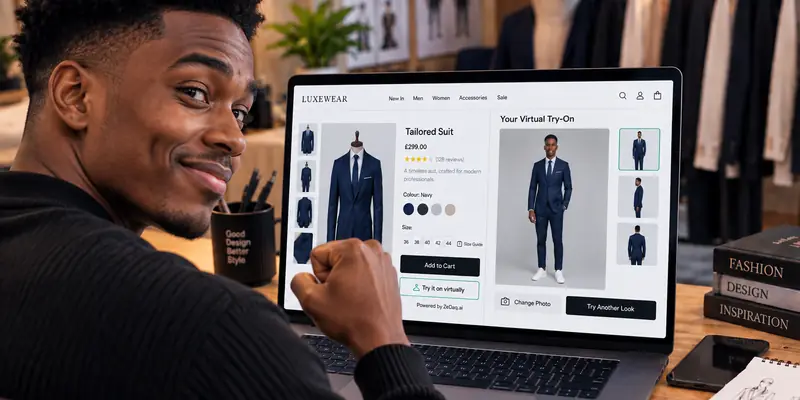
A size recommendation tool saves your team time. ZeDaq.ai's size recommendation uses a 30-second body scan, one photo plus height, and matches the result to your own size chart. For more detail, see AI size recommendation for fashion stores.
Answer size questions before they reach your inbox
FAQs
When should I start Ramadan marketing?
Start planning before the month begins so your content and stock are ready. Check the expected dates for your year, since Ramadan moves earlier against the standard calendar each year.
Should I run a sale during Ramadan?
You can, but be careful with tone. Many brands prefer a small, honest offer with a clear end date over loud discounts.
Can non-Muslim brand owners market during Ramadan?
Yes, if they do it with care. Listen to Muslim customers, avoid religious slogans and focus on useful content.
What should I avoid in my copy?
Avoid jokes about fasting, claims that use religious words as hype and false urgency. Keep the language simple and sincere.
Try ZeDaq.ai free
Virtual try-on and Find my size for your store, plus client, order and invoicing tools for tailors, in one subscription.