Using Lagos Fashion Week to Sell Online
By the ZeDaq.ai team · · 5 min read
On this page
- What should be ready before the runway?
- How do you turn runway looks into products?
- How do you capture interest during the week?
- How do you handle sizing for new buyers?
- What should you do in the week after the show?
- What if you are not in Lagos?
- What mistakes should you avoid?
- How do you measure what the show did for you?
To use Lagos Fashion Week to sell online, treat the show as a traffic spike you prepare for: have buyable pieces on your store before the runway, make every look easy to find, and follow up with everyone who shows interest. A strong show with no store behind it creates attention but few orders.
This plan is for small and mid-size labels. It builds on our guide to virtual try-on for African fashion brands, because new shoppers who cannot try your clothes on need extra help choosing a size.
Check the official event channels for dates, application rules and costs. They change each season, so this article does not list them.
What should be ready before the runway?
Visitors will search your name, so give them somewhere to go. Complete these items first:
- A store page for each look, even if the piece is pre-order or made to order.
- Clear photos from the front, back and side, plus a close view of the fabric.
- A size guide that shows measurements, not just letters.
- A lookbook page that links every runway look to its product page.
- A way to join a waitlist when a piece is sold out.
If you work with Ankara, adire or other prints, note that photos can mislead on color and scale. The advice in product photos for African print clothing helps you set expectations.
How do you turn runway looks into products?
Not every runway piece is meant to be sold. Sort your collection into three groups before the show.
- Ready to ship. Stocked pieces in a size run.
- Made to order. Pieces cut after the order, with a clear lead time.
- Show only. Statement looks that stay on the runway. Say so on the lookbook so no one hunts for them.
Menswear labels can borrow ideas from selling dashikis online, and event wear sold in groups is covered in selling aso ebi fabric bundles.
For made-to-order pieces, collect measurements at checkout instead of guessing sizes. See selling made-to-measure clothing online for how.
How do you capture interest during the week?
Most people who like a look will not buy that minute. Give them something small to do.
- Put your store link and a short handle in every post and story.
- Offer an email or WhatsApp sign-up that sends the lookbook.
- Photograph backstage fittings and finishing work, so followers see the craft.
- Reply to comments and direct messages the same day.
Keep a simple list of who asked about which look. That list drives your follow-up.
How do you handle sizing for new buyers?
Buyers who first meet your brand at a fashion event often have never worn your sizes. They will ask whether a piece runs small, and they may be abroad.
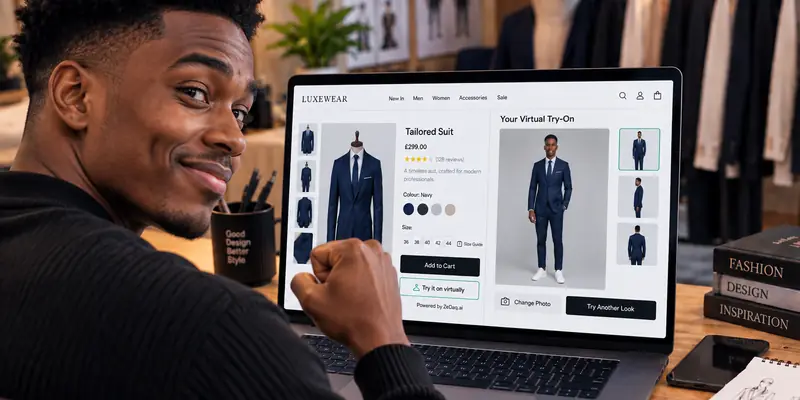
Give them three things: measurements for each size, a fit note on every product, and a try-on option if you have one. A shopper can upload one photo on your product page and see your garment on their body, and a 30-second body scan can suggest a size from your own size chart. Virtual fitting rooms for clothing websites explains how this works for a store of any size.
What should you do in the week after the show?
The follow-up decides most of the sales. Use a short routine:
- Email everyone on your list with the lookbook and the pre-order dates.
- Post a thank-you with the best three looks and their product links.
- Tell people who asked about a sold-out piece when it returns.
- Review which looks drew the most clicks and plan your next batch around them.
Do not promise delivery dates you cannot meet. Late orders cost more goodwill than a longer, honest lead time.
What if you are not in Lagos?
Many buyers watch from abroad, so write every caption for someone who has never seen your studio. Name the city, the fabric and the maker, and show prices in a currency they use.
Plan delivery for those buyers as well. Tell them the production time and the shipping time as separate lines, and say who pays import duties. Our guide to pricing African fashion for international buyers helps with the numbers.
What mistakes should you avoid?
- Launching the store after the show, when attention has moved on.
- Posting looks with no link to buy or to join a waitlist.
- Promising delivery before you have checked your sewing capacity.
- Leaving messages unanswered for days.
- Changing prices between the runway and the product page without a reason.
A calm, accurate store beats a loud one that cannot deliver.
How do you measure what the show did for you?
Track what you can count in your own tools: store visits, sign-ups, pre-orders and repeat buyers. Compare the weeks before and after the show, and write down which posts brought visitors.
Avoid quoting industry numbers you cannot source. Your own records are the best evidence for your next season.
Let new buyers see your clothes on them
FAQs
Do I need a runway slot to benefit from Lagos Fashion Week?
No. Many brands join the conversation through content, showroom visits and posts. Check the event's official channels for what is open to you.
Should I sell the exact pieces from the runway?
Sell what you can make well and on time. Mark show-only pieces clearly, and offer a similar piece as a made-to-order option.
How early should my store be ready?
Have your product pages and lookbook live before the first post about the show. Visitors who land on an empty store rarely come back.
What is the best follow-up channel?
Use the one your audience already answers on, usually email or WhatsApp. Keep one list, and note which look each person asked about.
Try ZeDaq.ai free
Virtual try-on and Find my size for your store, plus client, order and invoicing tools for tailors, in one subscription.