Product-Level Return Rates: When to Pull a Product
By the ZeDaq.ai team · · 4 min read
On this page
Pull a product when its return rate stays well above your own category average over a full sales cycle, enough orders have come in to trust the number, and fixes to the size chart, photos and description have not moved it. Until then, fix it before you drop it.
There is no universal cut-off. This guide shows how to set your own, using your store's data. It builds on AI size recommendation for fashion stores, because fit is the usual reason a product returns.
How do you calculate a product return rate?
Divide the units returned by the units sold, for the same product and the same period. A product that sold 100 units and had 20 returned has a return rate of one in five.
Three rules make the number honest:
- Use units, not orders. One order can hold several items.
- Count by order date. Match returns to the orders they came from, not the month they arrived.
- Wait for the return window to close. A recent launch looks better than it is until the window ends.
Calculate it per product, then per variant. A single bad size can drag a good product down.
What is a normal return rate to compare with?
Do not compare yourself with a blog number. Compare each product with your own category. Dresses, tailored jackets and swimwear normally return more than scarves or tote bags.
Build your own baseline:
- Export a year of orders and returns.
- Group them by category.
- Calculate the average rate for each group.
- Mark the products sitting well above their group.
An industry figure can be a rough guide, but treat it as context only. Your fit, your shipping and your customers are your own.
How much data do you need before deciding?
A rate from a handful of orders is noise. Two returns out of five orders looks bad, but it is too small a sample to act on.
Set a minimum before you judge. For example, you might say "no decision before the product has sold enough units that one return changes the rate only slightly". Choose a number that fits your volume, and write it down.
Also wait for one full sales cycle. A coat sold in a warm month is not a fair test.
Why do products come back?
Read the reasons before you act. A high rate with one clear reason is often fixable. The guide to analyzing return reasons by product shows how to group them, and return reason codes shows how to collect them cleanly.
Common patterns:
| Main reason | Likely cause | First fix |
|---|---|---|
| Too small or too large | Size chart or pattern | Correct the chart, add a fit note |
| Not as pictured | Photos or color | Reshoot, add a photo on a real body |
| Poor quality | Supplier | Inspect stock, talk to the supplier |
| Changed my mind | Not product related | Leave it alone |
Only the first three belong to the product.
When should you fix instead of pull?
Fix first when one reason dominates and you can name the change. A product that returns because it runs small needs a fit note or a revised chart, not removal.
Try changes one at a time so you can see what worked:
- Correct the size chart.
- Add a one-line fit note, such as "runs small, size up if between sizes".
- Improve the photos and show the garment on real people.
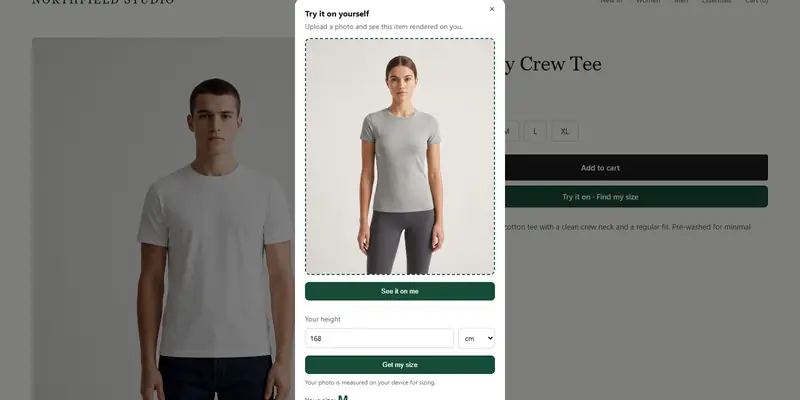
- Offer a size recommendation on the page.
Then watch the next batch of orders. The product page checklist covers the fixes in order.
When should you pull the product?
Pull it when all of these are true:
- The rate has stayed well above its category for a full cycle.
- The sample is large enough to trust.
- Fixes to fit, photos and copy have been tried and did not help.
- The remaining reasons point to quality or design, which you cannot fix on the page.
- The margin is gone once you count return shipping and handling.
If you cannot fix it, stop reordering, decide what to do with the remaining stock, and note why you pulled it.
You can also keep a product but change how it is sold, for example by removing one problem size, or marking it as final sale where your policy and local law allow it. Check consumer rules for your market before you change a returns policy.
How do you make this a routine?
Review product return rates once a month. Keep a short list of products on watch and what you changed. Over time, that list becomes your own record of what works.
Cut guesswork from size choices
FAQs
What return rate is too high for a product?
There is no single number. Compare the product with the average for its own category in your store, and treat anything far above that for a full cycle as a problem.
Should I pull a new product with early returns?
Not yet. Early data is thin and the return window may still be open. Wait for enough orders and fix obvious causes first.
Do I pull the product or only one size?
Check by variant first. If one size drives the returns, fix or remove that size and keep the rest.
Can size recommendations lower a product's return rate?
They can help when the reason is fit, because the shopper picks a size from your chart before ordering. Results vary by store, so measure your own before and after.
Try ZeDaq.ai free
Virtual try-on and Find my size for your store, plus client, order and invoicing tools for tailors, in one subscription.