Pre-Purchase Fit Support: Live Chat Scripts for Sizing Questions
By the ZeDaq.ai team · · 4 min read
On this page
- What should every sizing script do?
- What should you say when a shopper is between sizes?
- What should you say to "Does it run small?"
- How do you answer height and length questions?
- What should you say about fabric and stretch?
- When should you point shoppers to a size tool?
- How do you handle altered or repaired items?
- How do you keep scripts accurate over time?
The best live chat scripts for sizing questions ask for one or two facts, answer from your own size chart, and end with a clear size recommendation. A short script keeps replies consistent across your team and helps shoppers choose the right size before they pay.
Sizing is the question that stalls most fashion purchases. This guide gives you copy-and-paste scripts, a way to build your own, and a note on when to point shoppers to a size tool. For the tool side, see our guide to AI size recommendation for fashion stores.
What should every sizing script do?
A good script follows the same four steps each time. That keeps answers accurate even when different people are on chat.
- Greet and clarify. Ask which product and which size they are considering.
- Collect one or two facts. Ask for the measurement that matters for that garment.
- Answer from your chart. Quote your size guide, not a guess.
- Confirm and explain. Say which size, why, and what to do if they are between sizes.
Never invent a fit. If you are unsure, say so and check with your design team.
What should you say when a shopper is between sizes?
This is the most common question. Your rule should be written down so everyone gives the same answer.
Script:
"Thanks for asking. Which measurement falls between two sizes? For most of our tops, we suggest the larger size if you want ease and the smaller if you like a fitted look. Would you like a closer or a looser fit?"
Match the rule to your garments. A fitted dress may call for sizing up, while a stretch knit may allow the smaller size.
What should you say to "Does it run small?"
Answer with facts about the product, not general reassurance.
Script:
"Good question. This style [runs true to size / fits closer through the chest]. If you tell me your chest and waist, I'll check them against our size chart."
If you have a fit note on the product page, quote it. If the style has a known quirk, say so. Honesty here prevents a return later.
How do you answer height and length questions?
Length is easy to get wrong because models are often tall. Give the model's height and the size they are wearing.
Script:
"The model is [height] and wears a [size]. How tall are you? For trousers, the inseam is [length] in a [size]. If you are taller, I can suggest checking the length in the size chart."
Fill in the brackets from your own product data, and keep a table of model heights where your team can find it.
What should you say about fabric and stretch?
Fabric changes how a size feels. A woven cotton with no stretch needs more room than a knit.
Script:
"This one is a woven fabric with no stretch, so we suggest choosing your usual size and going up if you are between sizes. Would you like to tell me your measurements so I can check?"
This matters for structured and traditional fabrics too. The guide to describing African fabrics online shows how to write about stretch and weight.
When should you point shoppers to a size tool?
Chat is good for edge cases, but a self-serve tool handles the routine ones. If your store has a size recommendation tool, send the shopper there first.
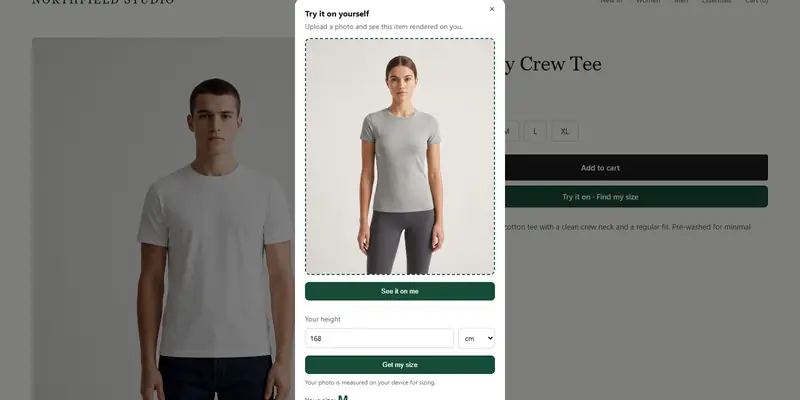
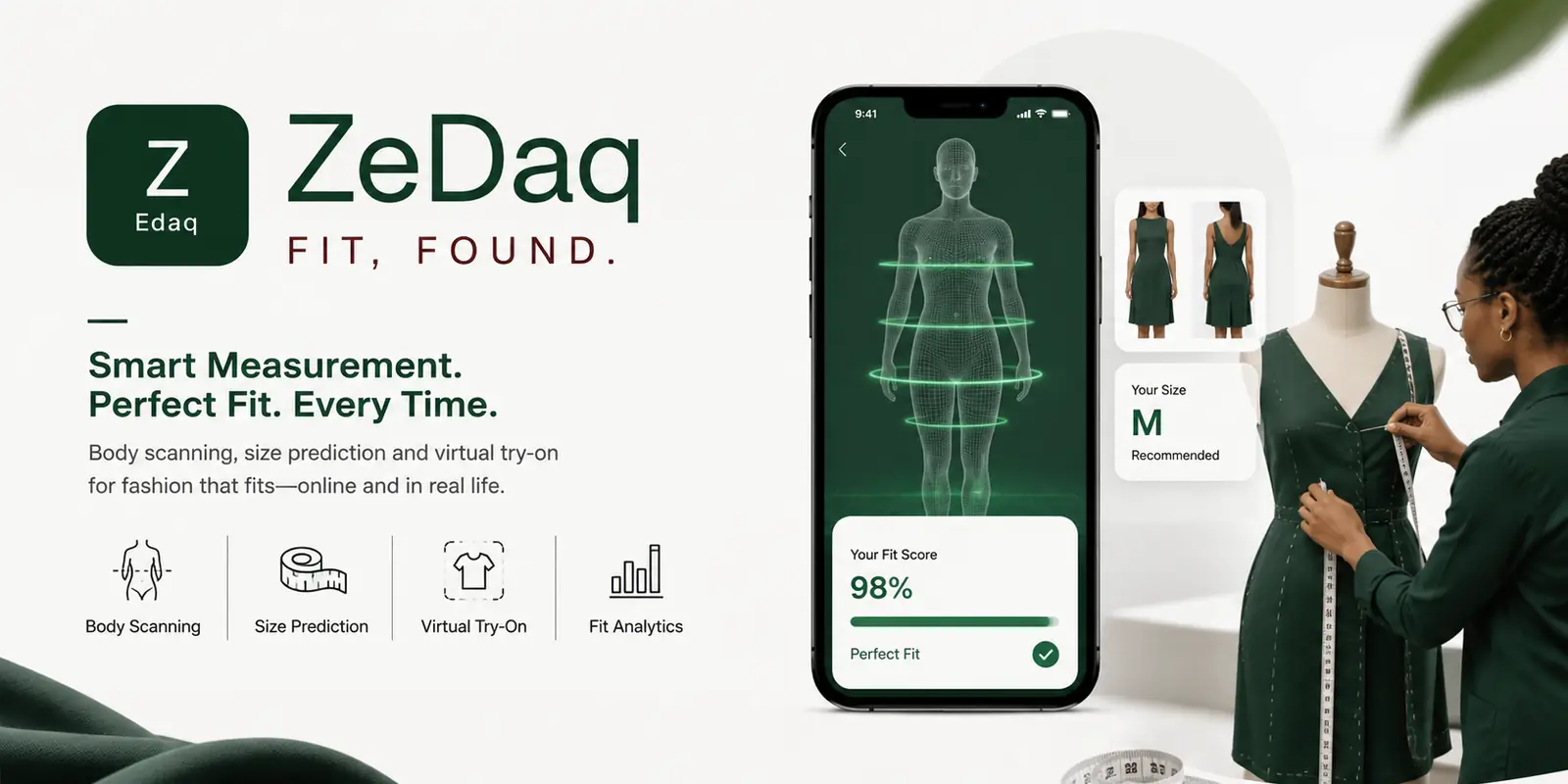
ZeDaq.ai gives shoppers a size suggestion from a 30-second body scan: one photo plus height, matched to your own size chart. It is a Shopify app and also works as a script-tag widget on other sites.
Script:
"You can get a size suggestion on the product page. Tap 'Find my size', upload a photo and enter your height. If it doesn't feel right, message me and we'll talk it through."
How do you handle altered or repaired items?
Some shoppers ask whether a slightly wrong size can be fixed. Be clear about what you offer.
Script:
"If it is a little loose, a local tailor can often take it in. We'll also exchange the size within our policy. Would you like the details?"
For ideas on supporting clothing after the sale, read repair, alter or replace. If you promise exchanges, decide first whether to offer a fit guarantee.
How do you keep scripts accurate over time?
Review your scripts when you change a size chart or add a new style. Track the questions that come up most, and add them to your product page.
A quick checklist for each new product:
- Fit note written
- Model height and size listed
- Fabric stretch stated
- Size chart attached
The product page checklist for fashion stores covers the page itself, so chat only has to handle the unusual cases.
Give shoppers a size suggestion on the product page
FAQs
How fast should I reply to a sizing question?
As fast as you can. A shopper deciding whether to buy usually won't wait long. Even a short reply that says you are checking helps.
Should I use chatbots or live people for sizing?
Either can work if the answers come from your size chart. Keep a person available for unusual questions.
What if the shopper doesn't want to share measurements?
Offer the size chart and a fit note, and let them decide. Never push for personal details.
Can scripts replace a size guide?
No. Scripts are for questions the guide doesn't answer. A clear size guide still comes first.
Try ZeDaq.ai free
Virtual try-on and Find my size for your store, plus client, order and invoicing tools for tailors, in one subscription.