
Managing Tailors in a Nigerian Fashion Production Workshop
By the ZeDaq.ai team · · 5 min read
On this page
- What roles does a small production workshop need?
- How do you assign work so nothing gets lost?
- How do you collect accurate measurements?
- How should you pay tailors fairly and clearly?
- How do you run a daily check-in?
- How do you plan for peak seasons?
- How do you handle quality and remakes?
- How can software help a busy workshop?
Managing tailors in a Nigerian fashion production workshop works best with four habits: a written job card for every garment, clear pay and quality rules, a short daily check-in, and one shared calendar of delivery dates. These habits stop the usual problems of missed deadlines, wrong measurements and arguments over who cut what.
Whether you run a six-person workshop in Surulere or a bigger floor in Aba, the basics are the same. Production is only half of a fashion brand, though. Selling online needs fit tools too, which our guide to virtual try-on for African fashion brands covers.
What roles does a small production workshop need?
Even a small workshop runs better when everyone knows their job. Common roles include:
| Role | Main job |
|---|---|
| Head tailor or production manager | Assigns work, checks quality, solves problems |
| Pattern cutter | Drafts patterns and cuts fabric from measurements |
| Machinists | Sew garments from cut pieces |
| Finishers | Handle hems, buttons, beading and pressing |
| Apprentices | Learn on simpler tasks and support the team |
In many Nigerian workshops, one person covers two or three of these roles. That is fine, as long as each task has a named owner.
How do you assign work so nothing gets lost?
Verbal instructions are the biggest source of mistakes. "Make it like the one we did for Mrs. Ade" means something different to every tailor. Use a job card for every garment.
A good job card includes:
- Client name and order number.
- Style reference, with a photo or sketch.
- Fabric, lining and trims.
- Full measurements, written clearly.
- Who cuts, who sews and who finishes.
- Delivery date and fitting date.
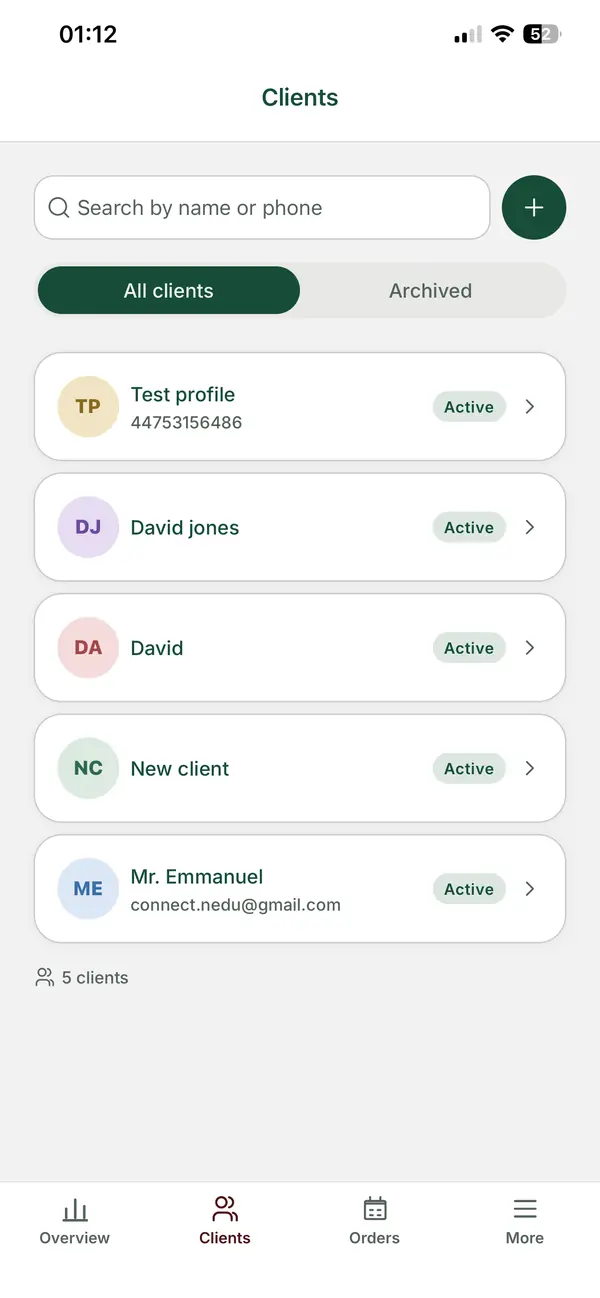
Paper cards work, but they get lost or stained. Digital records are easier to share. ZeDaq.ai's tailor tools keep a client CRM with each client's measurements, and orders with a delivery calendar, so the whole team works from the same details.
How do you collect accurate measurements?
Wrong measurements cause more remakes than poor sewing. To cut errors:
- Measure in person when you can, and write the numbers on the job card straight away.
- Use the same tape and method for everyone, so two tailors don't get two different waists.
- Send a measurement link for remote clients. With ZeDaq.ai, the client opens a link on their phone and the results land in their record.
- Check odd numbers before cutting. A hip smaller than the waist on a woman's dress is usually a typo.
This matters even more for diaspora clients you never meet in person.
How should you pay tailors fairly and clearly?
Pay arguments damage morale fast. Whatever system you use, write it down and explain it to every new tailor. Common approaches in Nigerian workshops include:
- Piece rate, where a tailor is paid per finished garment.
- Monthly salary, for core staff who handle many tasks.
- A mix, such as a base salary plus a bonus for extra pieces in busy seasons.
Be clear about what happens when a garment needs a remake. Many workshops decide who pays based on the cause: a measurement error, a cutting error or a sewing error. Agree on this before Owambe or December season, when pressure is highest.
How do you run a daily check-in?
A short meeting each morning keeps everyone aligned. Keep it to ten or fifteen minutes and cover three questions:
- What is due today and this week?
- What is stuck, and why?
- Who needs help?
Use your delivery calendar as the agenda. If you work with outside tailors too, the guide to outsourcing production to tailors in Aba and Lagos explains how to bring them into the same rhythm.
How do you plan for peak seasons?
Wedding season, Owambe weekends, Eid, Christmas and Detty December all bring a rush of orders. Plan ahead:
- Set a cut-off date for custom orders before each peak.
- Book extra hands early, whether freelance machinists or trusted outside workshops.
- Pre-cut popular ready-to-wear styles in common sizes before the rush.
- Check fabric and trim stock weekly, so you don't stop mid-order.
Stock planning links closely to production. The guide on inventory management for a small Nigerian brand shows how to track fabric and finished pieces.
How do you handle quality and remakes?
Set a quality check before every garment leaves the workshop. The head tailor or a finisher should check seams, hems, fastenings, measurements and pressing. Record any problem on the job card with the cause.
Over time, those notes show patterns. If one machinist keeps getting hems wrong, that is a training need, not a reason to shout. If one style always needs alteration, fix the pattern.
How can software help a busy workshop?
Software doesn't replace a good head tailor, but it removes a lot of chasing. ZeDaq.ai's tools for tailors and designers include:
- A client CRM with measurements.
- Measurement links clients open on their phone.
- Orders and a delivery calendar.
- Invoicing in multiple currencies, including NGN, GBP and USD.
- The ZeDaq Business mobile app for iOS and Android.
You can see how these fit a workshop on the ZeDaq.ai tailor tools page, or book a demo to walk through your own setup.
Run your workshop from one calendar
FAQs
How many tailors should a small brand start with?
Start with the smallest team that can meet your normal weekly orders. Add freelance help or outside workshops for peak seasons.
Should apprentices handle client garments?
Yes, on simpler tasks such as finishing, with a senior tailor checking their work. That is how most tailors learn.
What is a job card?
A job card is a written record for one garment. It lists the client, style, fabric, measurements, tasks and delivery date.
How do I stop tailors missing deadlines?
Use one shared delivery calendar, check it every morning and flag problems early. Clear cut-off dates before busy seasons help too.
Try ZeDaq.ai free
Virtual try-on and Find my size for your store, plus client, order and invoicing tools for tailors, in one subscription.

