Invoicing in Naira for Fashion Brands: Deposits, Balances and VAT
By the ZeDaq.ai team · · 5 min read
On this page
Invoicing in naira for fashion brands works best when every invoice shows the full price, the deposit paid, the balance due and the due date, with VAT shown as its own line if VAT applies to you. Clear invoices stop the most common arguments: "I already paid," "you never said there was a balance" and "why is the total different?"
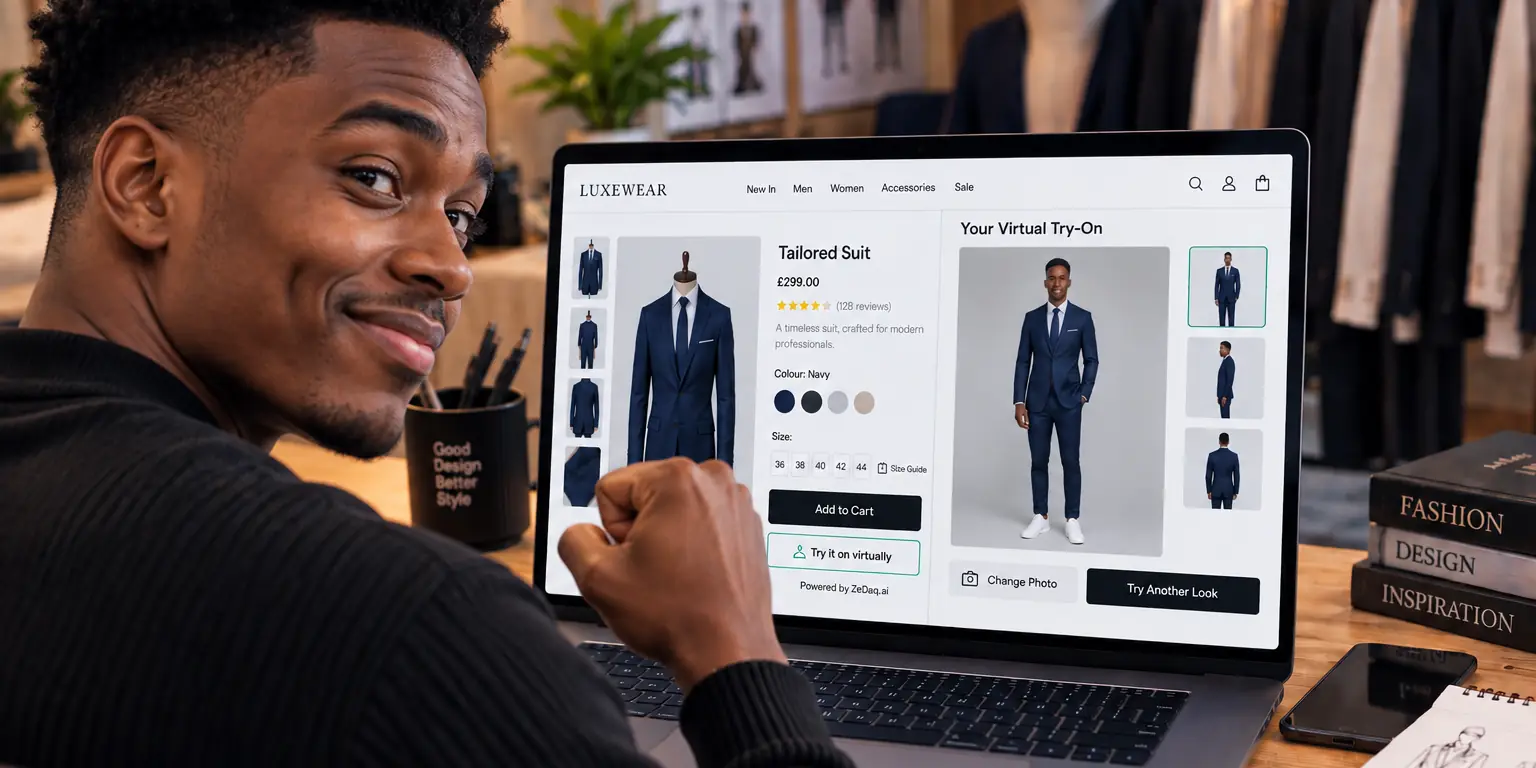
This guide covers deposit and balance invoices for custom and ready-to-wear orders, and what to check about VAT. On the selling side, our guide to virtual try-on for African fashion brands explains how fit tools help online buyers order with confidence.
This is general information, not legal or tax advice.
Why do fashion brands need proper invoices?
Many Nigerian brands still agree prices in a WhatsApp chat and confirm payment with a bank alert screenshot. That works until a client disputes what they owe, or you need to show your income to a bank or the tax authority.
A proper invoice gives both sides one written record of:
- What was ordered.
- What it costs in total.
- What has been paid and what is still due.
- When the balance must be paid.
It also makes your brand look professional, which matters when you sell to corporate clients, bridal parties or diaspora buyers who are used to receiving invoices.
What should a naira invoice include?
Every invoice should carry the same core details:
| Section | What to include |
|---|---|
| Your business details | Brand name, registered business name if you have one, address, phone, email |
| Client details | Name, phone and delivery address |
| Invoice details | Invoice number, issue date and due date |
| Items | Style, fabric, quantity and price per item |
| Totals | Subtotal, any discount, VAT line if it applies, and total |
| Payments | Deposit paid, date paid and balance due |
| Payment instructions | Bank account name, bank and account number |
| Terms | Deposit rules, alteration policy and collection deadline |
If you have registered your business, use the exact name on your registration. The Corporate Affairs Commission handles business name and company registration in Nigeria.
How do you invoice a deposit and balance?
Custom orders, Aso-ebi and bridal work usually need a deposit before you buy fabric or start cutting. There are two common ways to handle it.
Option 1: One invoice, updated
Send one invoice that shows the total, the deposit due now and the balance due later. When the deposit arrives, send an updated copy marked "deposit received" with the new balance.
Option 2: Two invoices
Send a deposit invoice first. When the garment is ready, send a balance invoice that refers to the first invoice number. This is clearer for clients who pay through a company or need records for each payment.
Whichever you choose, always state:
- The deposit amount and when it is due.
- Whether the deposit is refundable if the client cancels.
- When the balance is due, such as before collection or before dispatch.
- What happens if the balance isn't paid by a set date.
How should you handle group and Aso-ebi orders?
Aso-ebi orders bring one extra problem: many payers for one event. To keep things clear:
- Send each person their own invoice, even if one coordinator collects money.
- Show the fabric and the sewing as separate lines if you charge them separately.
- Note which deposits are paid on your order list, not just in your chat.
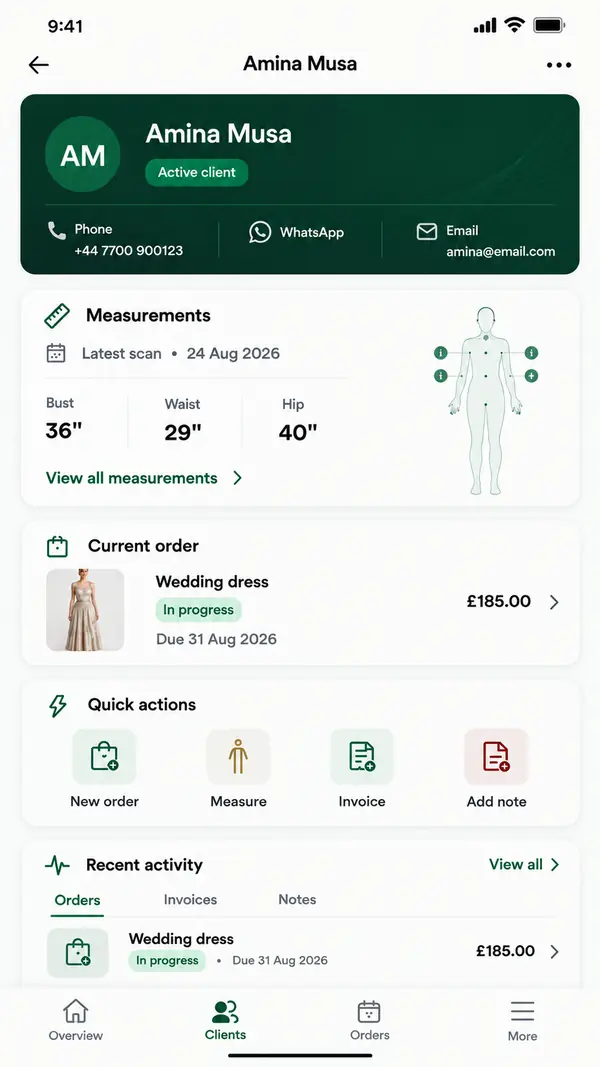
Tie each invoice to its order record, so you can see payment status next to the delivery date. The guide on tracking orders and delivery dates shows how to keep both in one view.
What should you know about VAT?
VAT is a tax added to the price of goods and services. Whether your fashion business must register for VAT, charge it and file returns depends on Nigerian tax law and your own circumstances, including your turnover.
Before you add VAT to any invoice:
- Check the current rules with the Nigeria Revenue Service, the official tax authority of Nigeria.
- Confirm whether you are required to register, and get your tax identification number if you are.
- Ask a qualified accountant how the rules apply to your sales, including sales to buyers abroad.
If you do charge VAT, show it as its own line on the invoice, separate from the price of the garment. Don't add VAT to invoices if you are not registered and required to charge it. Tax rules change, so review them each year.
How do you invoice diaspora clients?
Clients in the UK and US often prefer to see prices in their own currency. You can still keep your records in naira, but agree with the client which currency the invoice is in before you send it.
ZeDaq.ai invoicing supports multiple currencies, including NGN, GBP and USD. The guide to multi-currency invoicing for diaspora clients explains how to handle exchange rates and payment timing.
How can you send invoices from your phone?
Many brand owners run their business from a phone, between the market, the workshop and fittings. ZeDaq.ai's tools for tailors and designers include invoicing, a client CRM, orders with a delivery calendar and measurement links. The Free plan includes 5 invoices a month, which is enough to try the deposit and balance flow.
You can also manage all of this from the ZeDaq Business mobile app for iOS and Android. The guide to running your brand from your phone walks through a typical day.
Try ZeDaq.ai free for 3 days
FAQs
Should I take a deposit on every order?
Many brands take a deposit on custom orders before buying fabric. Ready-to-wear pieces are often paid in full at checkout.
Can I edit an invoice after sending it?
It is clearer to send an updated copy or a new invoice that refers to the old number. That keeps a record of every change.
Do I need to be registered to send invoices?
You can send invoices as a sole trader, but registration affects the name you use and your tax position. Check with the CAC and a qualified adviser.
Should my invoice show prices in dollars or naira?
Use the currency you agreed with the client. Local clients usually pay in naira, while diaspora clients may prefer GBP or USD.
Try ZeDaq.ai free
Virtual try-on and Find my size for your store, plus client, order and invoicing tools for tailors, in one subscription.

