How to Use a Shopify Blog to Drive Fashion Sales
By the ZeDaq.ai team · · 4 min read
On this page
To use a Shopify blog to drive fashion sales, write posts that answer the questions shoppers ask before buying, then link each post to the exact products it mentions. Style guides, fit advice and care tips all work, as long as every post gives a reader a clear next step.
This guide is for owners of small fashion stores who have a blog and no clear plan for it. It sits next to the setup guide on adding virtual try-on to Shopify, since good content and good product pages work together.
Why does a fashion store need a blog?
A product page can only answer so many questions. A blog lets you cover the wider ones: how to style a piece, how it fits, how to care for it and what to wear for an occasion.
Those posts can also bring in people who search for advice and have not yet heard of your brand. A shopper looking up "how to style a wrap dress" may end up buying yours.
Blogs take time to pay off. Treat each post as a long-term page that you improve, not a one-day announcement.
What should a fashion blog post about?
Start with real questions from customers. Your inbox, direct messages and returns notes are a free research source.
Good topics for a clothing store:
- Fit guides: how a cut should fit and how to measure for it.
- Style guides: outfits built around one hero piece.
- Occasion guides: what to wear to a wedding, interview or holiday.
- Care guides: washing and storing the fabrics you sell.
- Behind the brand: materials, makers and how a piece is made.
Pick topics where you have real knowledge. A thin post that repeats what everyone says adds nothing.
How do you structure a post that sells?
A selling post helps first and recommends second. Use a simple pattern:
- Put the answer in the first two sentences.
- Use short sections with question-style headings.
- Show products where they naturally fit.
- End with one clear action, such as a collection link.
Keep paragraphs short and write the way you would talk to a customer. Avoid hype. Shoppers trust plain, honest advice.
How do you link blog posts to products?
Links are what turn readers into buyers. Without them, a post is just reading.
- Link in context. Mention a product when you talk about it, with descriptive anchor text such as "the linen wrap dress".
- Embed a collection. Finish a style guide with a link to the matching collection.
- Link to fit help. If a post is about fit, point to your size guide.
- Link between posts. Related articles keep readers on your site.
You manage posts in your Shopify admin under Online Store, in the blog section. Add a product link in the editor the same way you add any other link.
How do you write posts that cut sizing doubts?
Sizing worries can stop a shopper from buying. A fit post answers that worry before the shopper reaches the product page.
Write a guide such as "How our dresses fit" with your measurements, notes on stretch and photos on different bodies. The post on writing size guides that reduce returns shows what to include.
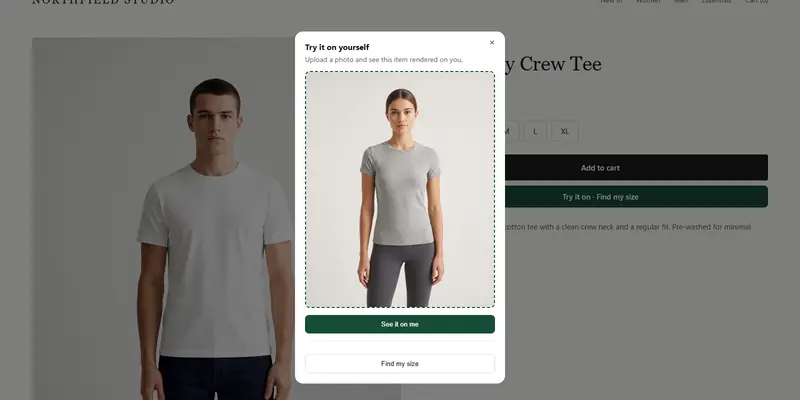
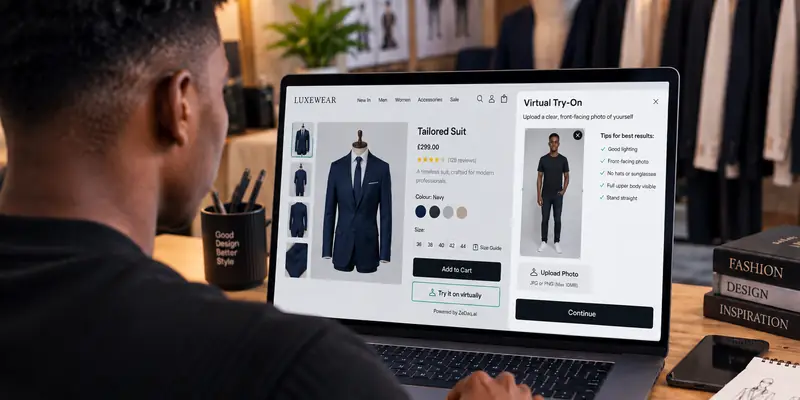
You can also add a size recommendation to the product page itself. With the ZeDaq.ai Shopify app, a shopper uploads one photo and enters their height, and the scan suggests a size from your own chart. A blog post can explain how it works and link to the product.
How do you get your first readers?
New blogs start with no traffic, so promote each post yourself.
- Share it on the social accounts where your customers are.
- Send it to your email list, with one sentence on why it helps.
- Link it from the product pages it supports.
- Pin the best posts on your homepage or menu.
If you are still building your first customers, how to get your first 100 sales on a Shopify clothing store covers the wider plan.
How do you know if a blog post works?
Look at what each post does, not just how many people read it. Use your Shopify and analytics reports to check:
- How many readers click through to a product.
- Whether visitors who read a post go on to buy.
- Which posts keep readers on your site.
Review it every month. Improve the posts that get attention but few clicks, and write more like the ones that work. The guide to reading your fashion store's sales funnel helps you see where readers drop off.
Also keep your policies in line. A promise in a blog post about returns should match your real policy. Ideas are in returns policy ideas that protect margins.
Help blog readers find the right size
FAQs
How often should a fashion store post?
Often enough that you can keep it up. One useful post a month beats a burst of weak posts followed by silence.
Do I need a developer to blog on Shopify?
No. Shopify includes a blog you can write in from the admin. A developer is only needed for custom layouts.
Should I write about trends?
Only if it fits your brand. Evergreen topics like fit and care stay useful longer than trend posts.
Can a blog replace product page content?
No. The product page still needs photos, measurements and clear descriptions. The blog supports it with advice.
Try ZeDaq.ai free
Virtual try-on and Find my size for your store, plus client, order and invoicing tools for tailors, in one subscription.