How to Get Your First 100 Sales on a Shopify Clothing Store
By the ZeDaq.ai team · · 4 min read
On this page
- What should be ready before you try to sell?
- Where do your first customers come from?
- Which channels should you test?
- How do you turn visitors into buyers?
- Should you sell internationally from the start?
- How should you price and bundle early products?
- How do you keep count and learn?
- What does a simple 30-day plan look like?
To get your first 100 sales, start with people who already know you, sell through one or two channels you can keep up, remove doubt on every product page, and learn from each order. Early sales come from direct effort, not from a big advertising budget.
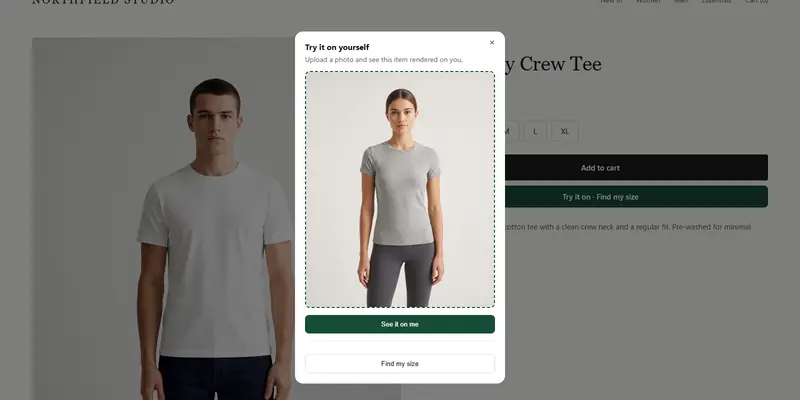
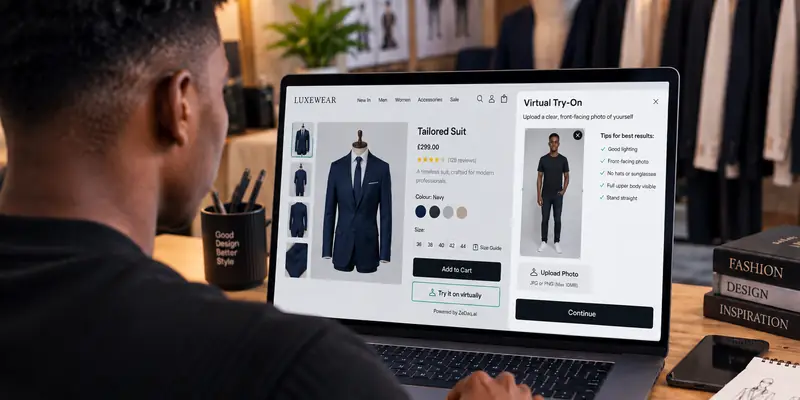
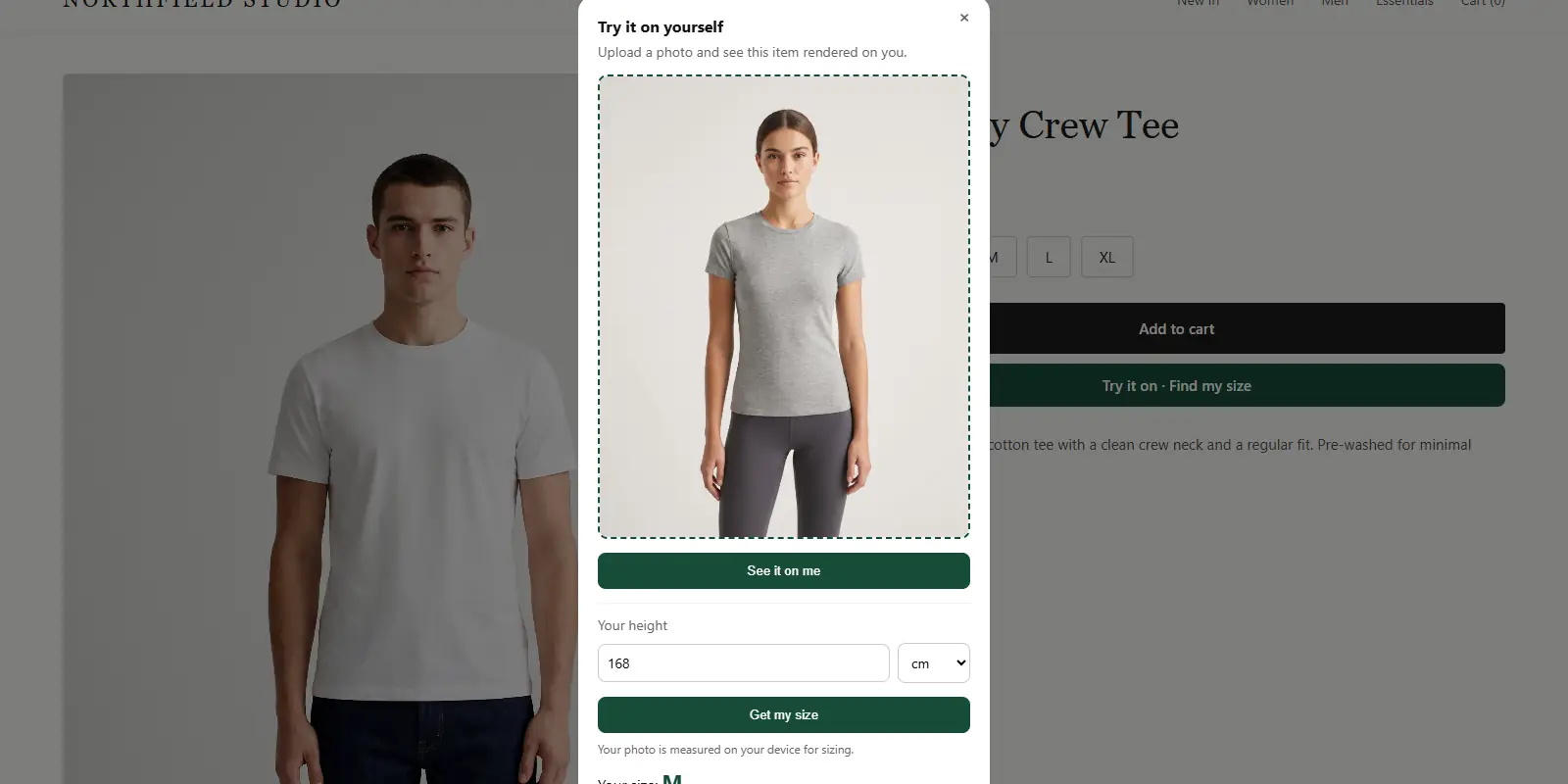
Fit is the biggest doubt for online clothing buyers, so make it easy to choose a size. Adding virtual try-on to your Shopify store is one way to do that. The rest of this guide is a practical plan you can follow week by week.
What should be ready before you try to sell?
Check the basics first. Traffic sent to a weak store is wasted.
- Clear photos. Show the front, back, a detail and the garment on a body.
- Honest descriptions. Name the fabric, the fit and how to care for it.
- A size chart and fit notes. Include model height and the size worn.
- Simple policies. Shipping times, costs and returns in plain words.
- A working checkout. Place a test order yourself on a phone.
Fix gaps before you promote anything. Each gap loses sales you worked hard to earn.
Where do your first customers come from?
They usually come from people one or two steps away from you.
- Friends, family and colleagues. Ask them to buy, and to share with others. Be direct and specific.
- Your existing audience. If you post on social media, tell your followers what you are launching and when.
- Local community. Pop-ups, markets, and local groups let people see and touch the clothes.
- Customers' networks. Each early buyer knows others. Ask them to tag you or send a friend your way.
Don't be shy about this stage. Almost every brand begins with people who know the founder.
Which channels should you test?
Pick one or two and do them well. Spreading thin means nothing gets enough attention to work.
| Channel | Effort | Good for |
|---|---|---|
| Instagram or TikTok content | Daily posting and replying | Showing the look and building trust |
| Email list | A signup form and regular sends | Repeat sales and launches |
| Collaborations with small creators | Outreach and sending samples | Reaching new audiences |
| Paid ads | Budget and testing | Scaling something that already sells |
| Marketplaces and Google Shopping | Feed setup | Shoppers already searching to buy |
Paid ads work best after you know which products sell. When you are ready for search-based traffic, see the guide to Google Shopping for Shopify clothing stores.
How do you turn visitors into buyers?
Most visitors leave without buying. Your job is to answer their questions before they have to ask.
- Size doubt. Offer a size guide and a way to check fit. ZeDaq.ai's size recommendation uses a 30-second body scan, with one photo plus height, matched to your own size chart.
- Trust doubt. Show who you are, where you are based and how to contact you.
- Delivery doubt. State times and costs clearly.
- Return doubt. Explain your policy simply. If you need ideas, read about return policies that protect margins.
Add the first reviews and photos as soon as you have them. For a new store, even a few real customer photos help.
Should you sell internationally from the start?
Not at first. A single home market keeps shipping, pricing and support simple. Once you have steady orders, you can look at other countries. The guide to setting up Shopify Markets covers that step.
How should you price and bundle early products?
Price to cover your real costs first: fabric, making, packaging, shipping and your own time. A price that looks attractive but loses money on each order makes growth painful.
Keep your range small. A few well-made products are easier to photograph, explain and restock than a long catalog. Once one style sells well, add other colors or a matching piece, since a happy buyer is the easiest person to sell to again.
How do you keep count and learn?
Track the first 100 orders in a simple sheet. Note where each customer came from, what they bought and whether they returned it.
After every ten sales, look for patterns:
- Which product sells most?
- Which channel brought the most buyers?
- Which questions do customers keep asking?
- Which sizes get returned?
Use the answers to decide what to make more of. This feedback is worth more than any general advice.
What does a simple 30-day plan look like?
- Week 1: Finish the store basics and place a test order.
- Week 2: Message your closest network and ask for the first orders.
- Week 3: Post consistently on one channel and start an email list.
- Week 4: Review the data, ask buyers for photos and feedback, and repeat what worked.
Repeat the cycle. The first 100 sales rarely arrive in one burst. They build from many small pushes.
Help new shoppers pick the right size
FAQs
How long does it take to get 100 sales?
It varies with your product, audience and effort, so no honest fixed timeline exists. Track your weekly orders and improve what you see.
Do I need paid ads to get my first sales?
No. Many brands begin with personal networks, content and email. Ads work better once you know which products convert.
Should I discount to get early orders?
You can, but use discounts sparingly. A launch offer for your first buyers is fine, while permanent discounts train shoppers to wait.
What if I get traffic but no sales?
Look at the product page first. Check photos, price, size help and delivery information, then test one change at a time.
Try ZeDaq.ai free
Virtual try-on and Find my size for your store, plus client, order and invoicing tools for tailors, in one subscription.