How to Run a Loyalty Program for a Clothing Store
By the ZeDaq.ai team · · 4 min read
On this page
- What is the goal of a clothing loyalty program?
- Which loyalty model should you choose?
- What rewards work well in fashion?
- How do you set the rules?
- How do you choose the app or tool?
- How do you get shoppers to join?
- How does fit affect loyalty?
- How do you launch a program in a few steps?
- What are VIP tiers, and when do you add them?
- How do you know if it works?
To run a loyalty program for a clothing store, choose one simple model (points or tiers), set rewards that cost you less than they feel worth to the shopper, publish clear rules and review the program every few months. Start small and keep it easy to explain in one sentence.
This guide is for Shopify store owners who want repeat buyers. A loyalty program works best on top of a good buying experience, such as virtual try-on on Shopify, where shoppers feel more sure about what they order.
What is the goal of a clothing loyalty program?
The goal is a second and third order from the same shopper. It is cheaper to sell to someone who already knows your fit and quality than to find a new customer.
Decide what you want to reward before you build anything: purchases, reviews, referrals, birthdays or social follows. Each reward costs you something, so choose the behavior that helps your business most.
Which loyalty model should you choose?
There are three common choices:
| Model | How it works | Good for |
|---|---|---|
| Points | Shoppers earn points per order and spend them on discounts | Most stores |
| Tiers (VIP) | Spending unlocks levels with better perks | Brands with a devoted core |
| Perks only | Free shipping or early access for members | Small catalogs |
Points are the easiest to understand. Tiers add status and can make a best customer feel recognized. Start with points, and add tiers when you have a group of frequent buyers.
What rewards work well in fashion?
Rewards that fit clothing tend to be simple:
- A discount on the next order
- Early access to new drops
- Free shipping or free alterations
- A small gift with the order
- Birthday offers
Avoid rewards that train shoppers to wait for discounts. Early access and recognition cost little and feel special. Pair them with a plan for what you do when stock runs low.
How do you set the rules?
Keep the rules short and fair. Answer these questions:
- How do shoppers earn points (per dollar spent, per order, or by actions)?
- What is a point worth when spent?
- Do points expire, and after how long?
- Do returns cancel the points earned?
- Can points combine with other discounts?
Publish the answers on a single page and link it from your footer and checkout. Hidden rules make shoppers distrust the program.
How do you choose the app or tool?
Shopify stores usually use an app from the Shopify App Store. Compare how each handles points, tiers, email, and cost. The guide to the best Shopify loyalty apps for clothing brands shows what to look for. Check each app's own listing for current pricing and features before you decide.
How do you get shoppers to join?
Tell people at the points where they're already engaged:
- A banner or sign-up box on the home page
- A line at checkout and in the order confirmation email
- A card in the package
- A mention at pickup, if you offer local pickup
Referral rewards can bring new shoppers in as well, as covered in referral programs for fashion brands.
How does fit affect loyalty?
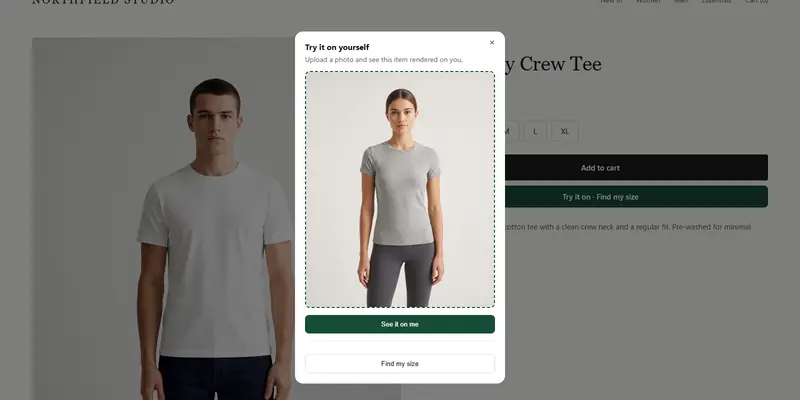
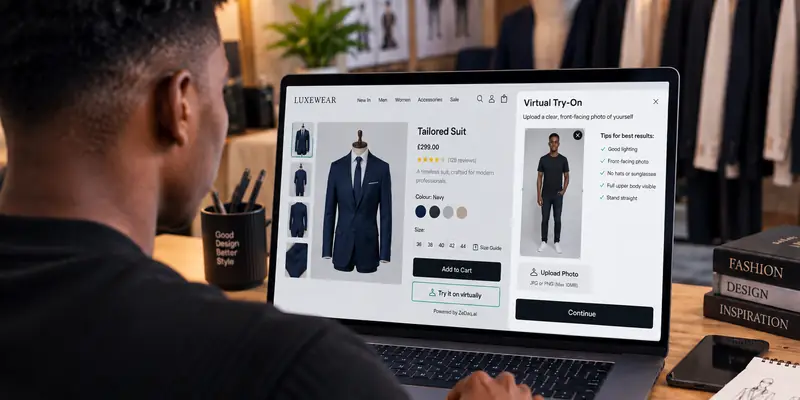
A shopper who gets the wrong size is unlikely to come back, however many points they hold. Clear size charts and sizing help are part of keeping customers, not only extras. If you want to give shoppers a way to see items on themselves before buying, look at a virtual fitting room for clothing websites.
How do you launch a program in a few steps?
- Write the one-sentence offer, such as "Earn points on every order and spend them on your next one."
- Choose the model and the rewards.
- Write the rules page.
- Install and configure the app, then test with a real order.
- Tell your existing customers by email first, since they are most likely to join.
- Add the sign-up prompt to the site and the order confirmation.
Launch to a small group first if you can, and fix any confusion before you announce it to everyone.
What are VIP tiers, and when do you add them?
Tiers group members by what they've spent, for example Bronze, Silver and Gold. Each level gets something extra, such as earlier access to a drop or free alterations. Add tiers once you can see a group of repeat buyers in your data. Too many levels confuse shoppers, so two or three is enough.
How do you know if it works?
Look at simple numbers from your own store each quarter:
- How many members placed a second order
- How often members buy compared with non-members
- Cost of rewards given versus sales from members
- Complaints or confusion about the rules
Adjust one thing at a time, and write down what changed.
Help shoppers choose better before they buy
FAQs
Should small stores bother with a loyalty program?
Yes, if you have repeat buyers or want them. A basic points scheme or a members' perk costs little to start.
Should points expire?
It's your choice. Expiry can encourage purchases but frustrates shoppers if it's too short. State the rule clearly.
What if a member returns an item?
Decide in advance. Many stores remove the points earned from returned items. Put the rule in your program page.
Can I run a program without an app?
Yes, using discount codes and a customer list, but it takes manual work and is hard to track. An app saves effort as you grow.
Try ZeDaq.ai free
Virtual try-on and Find my size for your store, plus client, order and invoicing tools for tailors, in one subscription.