Best Shopify Loyalty Apps for Clothing Brands
By the ZeDaq.ai team · · 6 min read
On this page
- What should a clothing brand look for in a loyalty app?
- How do Smile and LoyaltyLion compare?
- Which program structure works for fashion?
- How do loyalty apps fit with the rest of your store?
- How do you launch a loyalty program in a clothing store?
- What mistakes do clothing brands make with loyalty programs?
- How do you choose between a free plan and a paid plan?
- What perks suit fashion customers?
- How do you tell customers about the program?
The best Shopify loyalty app for a clothing brand is one that rewards repeat purchases, supports VIP tiers, and fits your budget at your current order volume. Smile and LoyaltyLion are two established options, and both list a free way to start on the Shopify App Store.
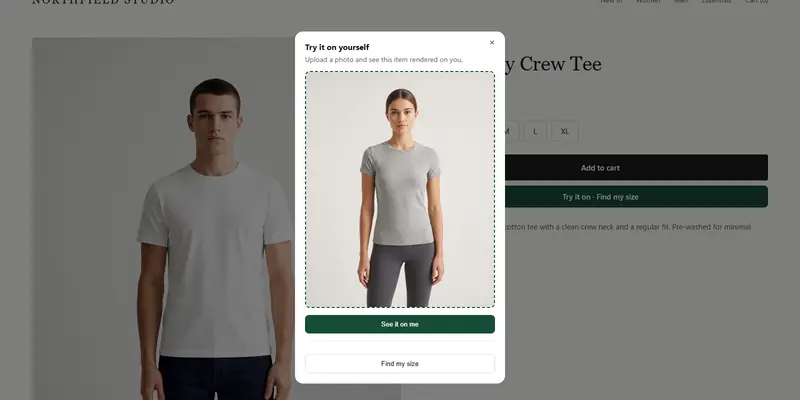
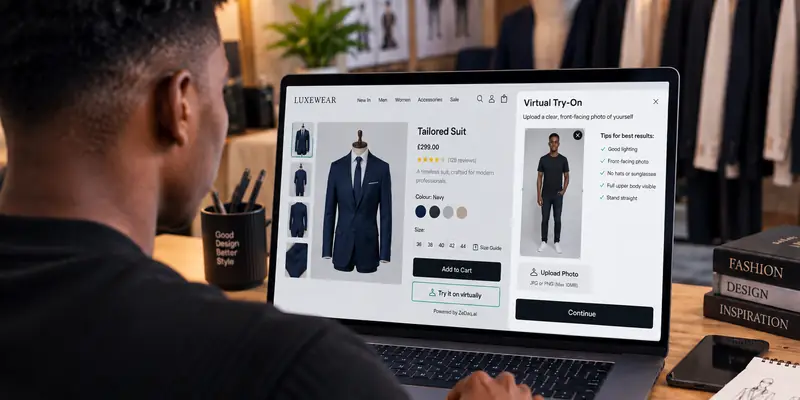
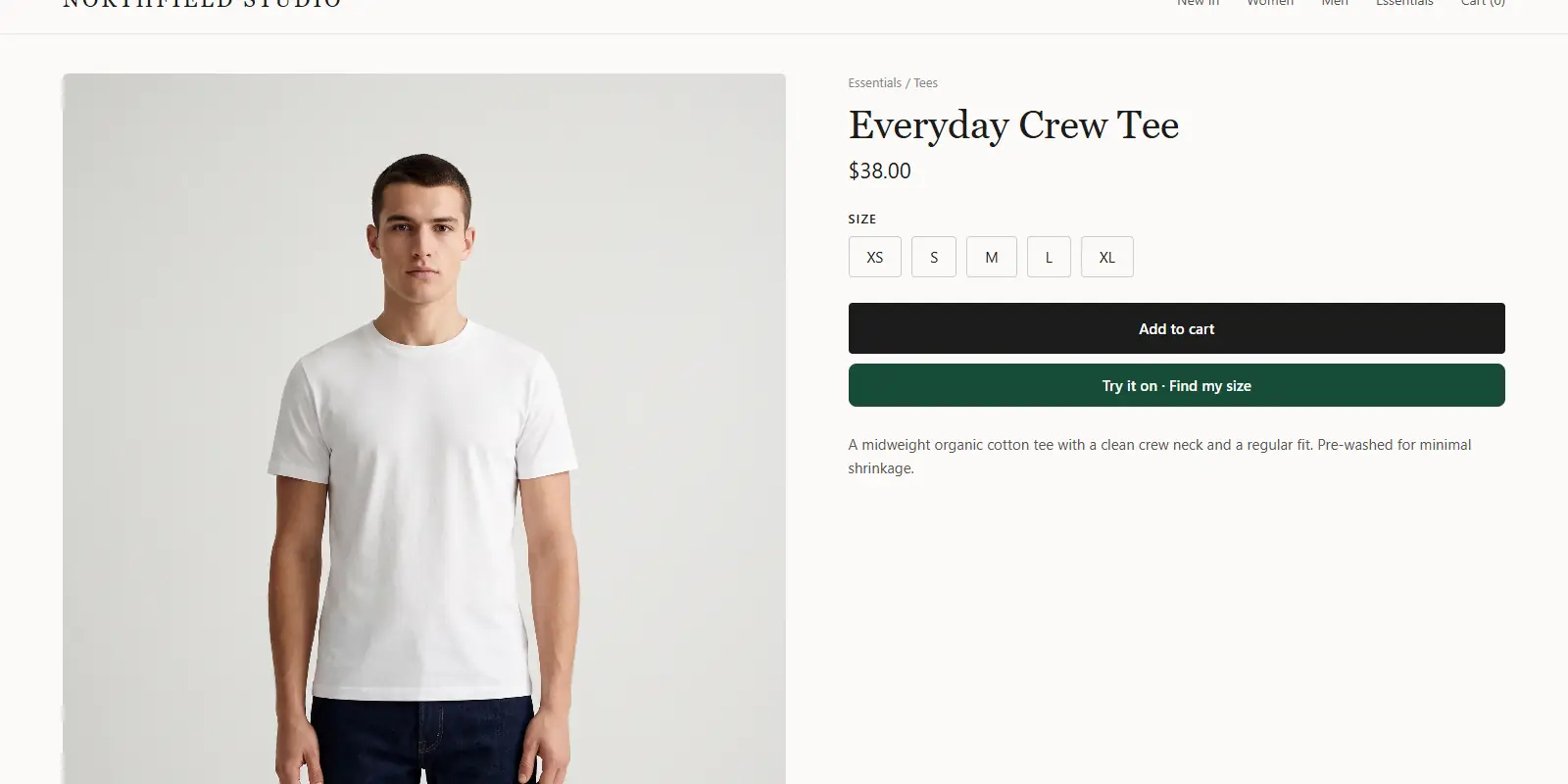
This guide compares them from their live listings, then covers what fashion stores should check before choosing. Loyalty works best when shoppers buy the right size the first time, so it helps to pair it with virtual try-on on Shopify and a clear fit guide.
What should a clothing brand look for in a loyalty app?
Fashion has quirks that a generic points app may not handle. Use this checklist when you compare apps:
- Points on net spend. Rewards should not be paid on items that are later returned.
- VIP tiers. Fashion customers often buy each season, so tiers that reward yearly spend suit you.
- Early access perks. Letting top members shop new drops first costs you little.
- Referral rewards. Style is shared between friends, so referrals tend to fit the category.
- Point-of-sale support. If you run pop-ups or a shop, check that the app works with Shopify POS.
- Pricing that scales. Many apps price by monthly orders, so check the next tier up.
How do Smile and LoyaltyLion compare?
Both apps were checked on their Shopify App Store listings in November 2026. Plans and prices change, so confirm on the listing before you decide.
| Smile | LoyaltyLion | |
|---|---|---|
| What it is | Branded rewards with points, VIP tiers and referrals, online and in store with Shopify POS | Loyalty program with points, VIP tiers and referral rewards |
| Free option | Yes, a Free plan | Yes, a plan listed as "Free to install" |
| Paid plans listed | Essential $15, Standard $79, Growth $199 per month | Classic $199 per month; Advanced and Plus listed without prices |
| Source | Smile listing | LoyaltyLion listing |
LoyaltyLion's listing says stores with larger order volumes should ask for a custom quote. Smile's Growth plan lists extra charges once orders pass its included amount.
Neither listing tells you which one fits your brand better. Test the free option of each on a few real orders before committing.
Which program structure works for fashion?
Keep the first version simple. A points program with one VIP tier is easier to explain than a five-level scheme.
Reward actions, not only purchases
Points for a first order, a review with a photo, or a birthday keep members active between seasons. Photo reviews are especially useful in fashion because they show real people wearing real sizes.
Protect your margin
Rewards are a discount in disguise. Decide the cost per point in advance, and consider using non-discount perks such as early access. Your returns policy should say whether points are removed when an order is returned.
How do loyalty apps fit with the rest of your store?
A loyalty app only works on shoppers who already trust your sizing. If a first order comes back because it did not fit, the customer rarely stays long enough to earn rewards.
That is where a try-on and size tool fits. ZeDaq.ai lets a shopper upload one photo to see your garment on their body, or scan for a size from your own size chart. It does not run a loyalty program, so use it next to one.
Other tools can also support the loyalty journey. A lookbook app for Shopify shows how to wear a piece, and a style quiz app points new shoppers to products they will like.
How do you launch a loyalty program in a clothing store?
- Pick one app and start on a free option. Check the listing for current limits.
- Set simple earning rules. One point rule for purchases and one or two bonus actions is enough.
- Write the return rule. State clearly what happens to points on a refund.
- Add a rewards page and a header link. Members should find their balance in two taps on a phone.
- Email existing customers. Invite them to join and give a small welcome reward.
- Review after a full season. Look at repeat purchases and the real cost of rewards, then adjust.
What mistakes do clothing brands make with loyalty programs?
Most problems come from rules that are too complicated or too generous. A few patterns to avoid:
- Rewarding discounted sales the same as full-price sales. If sale items earn full points, your margin shrinks twice.
- Hiding the program. If members cannot find their balance, they forget it exists.
- Ignoring returns. Without a clear refund rule, shoppers can buy, collect points and send everything back.
- Launching too many tiers. Customers rarely remember more than two or three levels.
- Never checking the numbers. Review the program every season and ask whether members really buy more often.
How do you choose between a free plan and a paid plan?
Start with the free option if your store is small. It lets you test whether your customers care about points at all, with little risk.
Move to a paid plan when you need something the free one does not include, such as extra tiers, custom branding or deeper reports. Read the listing carefully for what each plan includes, and work out the cost of the next tier before you grow into it. A plan that looks cheap at low volume can cost much more once your orders rise.
Also ask what happens if you leave. Check whether you can export your members and balances, so you are not locked in to one app.
What perks suit fashion customers?
Perks that feel like belonging often work better than another small discount:
- Early access to new collections for top members.
- A free alteration or gift wrap on a milestone order.
- A birthday reward that is easy to claim.
- Invitations to private sales or styling events.
- Points for sharing photos wearing your pieces.
These cost you less than a large coupon and fit the way people think about clothes. Choose two or three, and test them for a season before adding more.
How do you tell customers about the program?
A loyalty program only works if people know about it. Tell shoppers in the places they already look:
- A short banner on the home page and in the cart.
- A line in order confirmation emails showing points earned.
- A rewards link in the header and footer.
- A mention in packaging, such as a card in each parcel.
Keep the message simple: what they earn, what they can spend it on, and how to join. Avoid long rules in the banner, and link to a page with the details.
Help shoppers choose the right size first
FAQs
Do small clothing brands need a loyalty program?
Not at launch. Focus first on clear sizing and good photos, then add loyalty when you have repeat customers to reward.
Can a loyalty app replace a size tool?
No. A loyalty app rewards repeat buying, while a size tool helps the first purchase fit. They solve different problems.
Should points expire?
It is a business decision. Expiry can encourage a return visit but may annoy customers, so state the rule clearly if you use it.
Is a free loyalty plan enough?
For a new store it can be. Check the listing for what the free option includes and whether the next tier is affordable as your orders grow.
Try ZeDaq.ai free
Virtual try-on and Find my size for your store, plus client, order and invoicing tools for tailors, in one subscription.