How to Register a Fashion Business in the UK
By the ZeDaq.ai team · · 4 min read
On this page
To register a fashion business in the UK, decide whether you will be a sole trader or a limited company. A sole trader registers with HMRC for Self Assessment, and a limited company is formed through Companies House before it starts trading. A sole trader is the simpler of the two to set up.
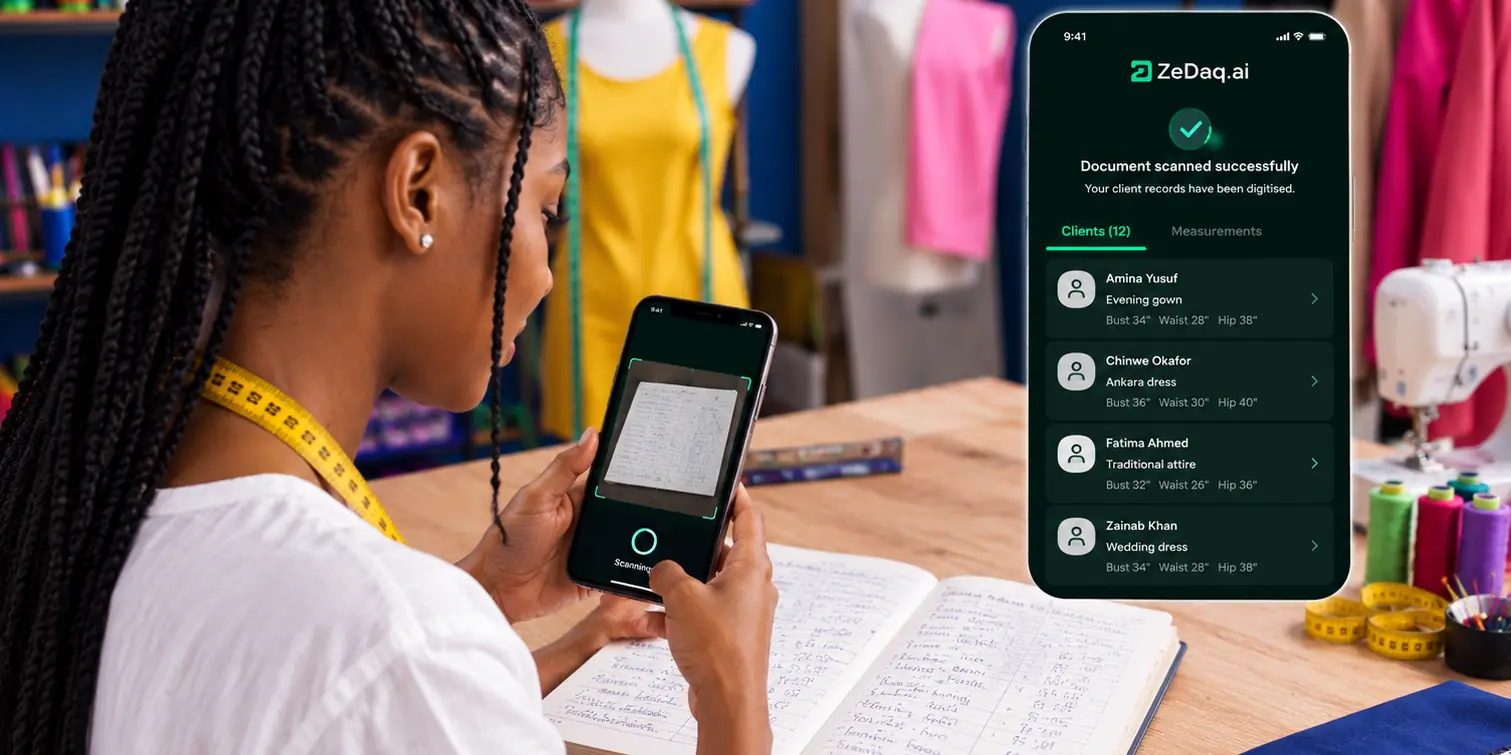
This guide is for tailors and designers who are turning a skill into a business. After registering, tools made for tailors and fashion designers help you manage clients, orders and invoices.
This is general information, not legal or tax advice. Use the GOV.UK pages linked here, and ask an accountant about your own case.
Should you be a sole trader or a limited company?
GOV.UK's guide to choosing a business structure explains the main difference.
| Sole trader | Limited company | |
|---|---|---|
| Legal status | You and the business are the same | Legally separate from its owners |
| Debts | You are personally responsible for all debts | Owners are responsible only up to the value of their investment |
| Tax | Income Tax on profits through Self Assessment, no Corporation Tax | The company pays Corporation Tax on profits |
| Setup | Simplest to set up and keep records | Must register before trading |
GOV.UK also notes that it is usually easier to move from sole trader to limited company later than the other way around. That is why many fashion businesses start small and change structure as they grow.
How do you register as a sole trader?
GOV.UK says you can start trading without registering first. However, you must register for Self Assessment if you earn more than £1,000 in a tax year, which runs from 6 April to 5 April. You can register earlier if you choose.
Follow these steps:
- Decide your trading name. Make sure it is not already used by another fashion label near you.
- Register for Self Assessment with HMRC through GOV.UK.
- Keep records of income and costs from your first job.
- File your tax return each year.
- Check VAT. GOV.UK says to register for VAT if you meet the requirements.
How do you set up a limited company?
The GOV.UK page on forming a limited company lists the steps:
- Choose the company type, limited by shares or by guarantee.
- Appoint at least one director.
- Decide who owns the company. A company limited by shares needs at least one shareholder, who can be a director.
- Identify people with significant control.
- Prepare your governing documents, including the memorandum and articles of association.
- Choose a name, check the naming rules and look for existing trade marks.
- Register with Companies House, with a registered office address and a SIC code that describes what the company does.
- Add Corporation Tax services to your business tax account.
Register before you start trading. Directors must also keep company and accounting records, file a confirmation statement, and file accounts and tax returns.
What about your brand name?
A company name must pass the naming rules, but a registered company name is not the same as a trade mark. The UK Intellectual Property Office says you can register your trade mark to protect your brand, such as the name of your product or service.
If you plan to build a label with a recognizable name, check existing trade marks before you invest in labels and packaging.
Which one suits a tailor or designer?
Use these questions to decide:
- Are you working alone, and do you want the simplest records? A sole trader may fit.
- Do you want your personal finances kept apart from business debts? Look at a limited company.
- Will you take on investors or partners? A company is the usual route.
- Do you want to avoid early admin? Start as a sole trader and review later.
An accountant can model the tax difference for your income. This guide does not do that.
How does the UK compare with other countries?
Each country has its own registry and tax body. If you plan to sell abroad, see how to register a fashion business in the US or in Kenya. Do not assume rules carry across borders.
What should you set up after you register?
Once the legal side is done, set up the daily work:
- A client list with contact details and measurements.
- Orders with delivery dates.
- Invoices you can send in the client's currency.
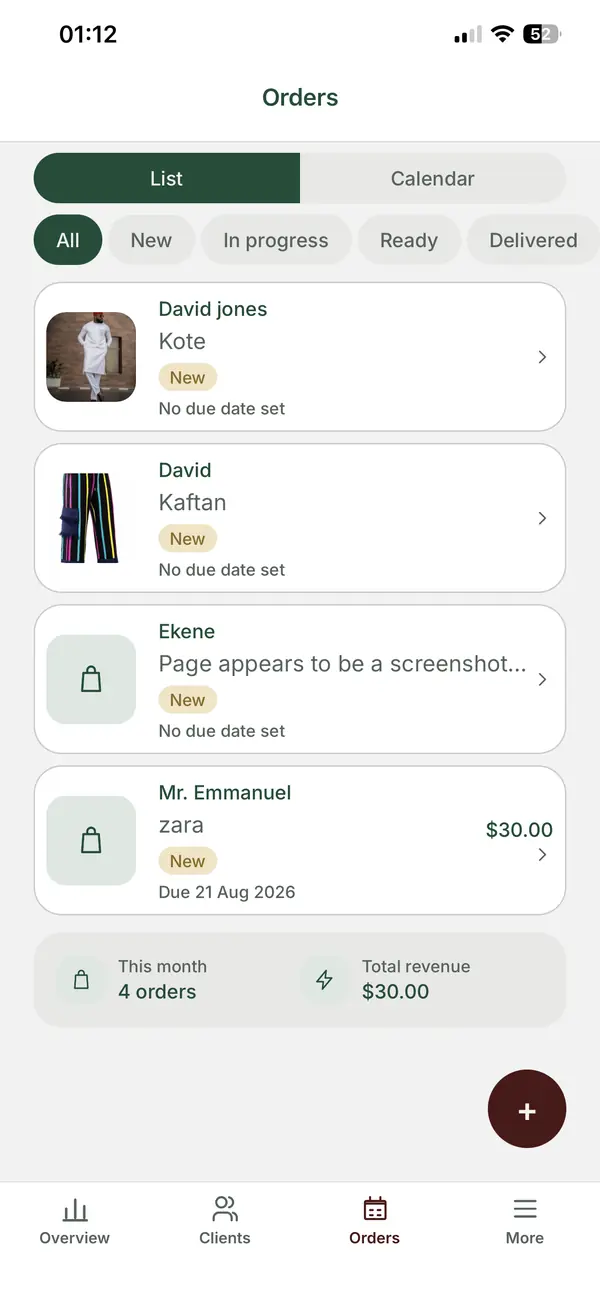
ZeDaq.ai covers these with a client CRM, measurements through a link the client opens on their phone, orders with a delivery calendar, and invoicing in multiple currencies. If you are weighing it against a spreadsheet, read ZeDaq.ai versus Excel for tailors.
Keep your registered business organized
FAQs
Do I have to register before I start sewing for customers?
GOV.UK says a sole trader can start trading without registering first, but must register for Self Assessment once earnings pass £1,000 in a tax year. A limited company must register before trading.
Is a limited company better than a sole trader?
Neither is better for everyone. A limited company separates the business from its owners, while a sole trader has simpler records.
Can I switch from sole trader to a company later?
Yes. GOV.UK says it is usually easier to move from sole trader to limited company.
Do I need to register for VAT?
Register if you meet the requirements. Check the VAT rules on GOV.UK for the current threshold.
Try ZeDaq.ai free
Virtual try-on and Find my size for your store, plus client, order and invoicing tools for tailors, in one subscription.

