How to Choose a Domain for a Clothing Brand
By the ZeDaq.ai team · · 4 min read
On this page
- What makes a good domain name?
- Should you pick .com or a local domain?
- How do you check the name is available?
- Should the domain use the word clothing or fashion?
- Where should you buy the domain?
- How do you test a name before you commit?
- How do you connect it to your store?
- What should you do after you pick a domain?
Choose a domain that is short, easy to say aloud, easy to spell and matches your brand name. Prefer a .com if you can get it, or use a local domain if most of your customers are in one country. Check that the name is free on social media before you buy.
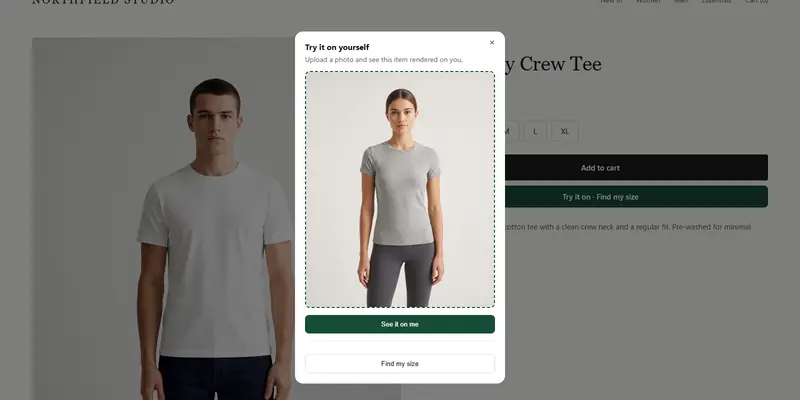
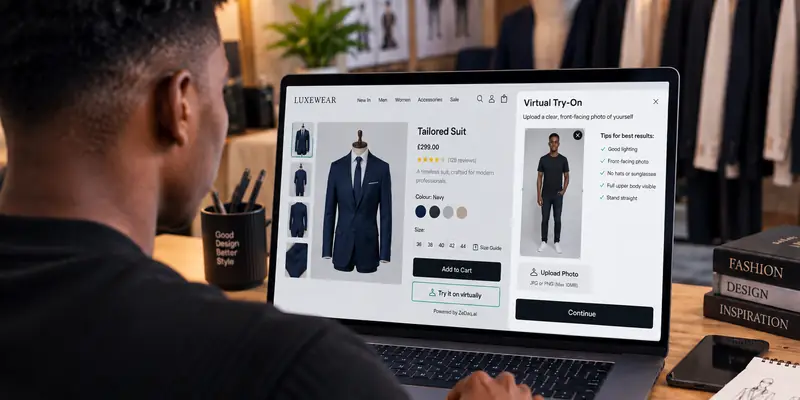
This guide is for founders about to launch a store. Once your domain is set, the next step is to add the tools that help shoppers buy, such as virtual try-on on Shopify.
What makes a good domain name?
A good domain is one a customer can remember after hearing it once.
Aim for:
- Short. Fewer characters mean fewer typos.
- Easy to spell. If you have to explain it, it is too hard.
- Easy to say. Test it by telling a friend over the phone.
- Close to your brand name. The domain and the brand should match.
- Free of hyphens and numbers. They are hard to say and easy to forget.
Avoid cleverness that confuses. A made-up spelling may look stylish on a label and cost you visits when people type the usual spelling.
Should you pick .com or a local domain?
Both can work. The right choice depends on where your customers are.
| Option | Good for | Watch out for |
|---|---|---|
| .com | Brands selling to several countries | The exact name may be taken |
| Country domain, such as .ng or .co.uk | Brands focused on one country | May feel local to overseas shoppers |
| Newer extensions, such as .store or .shop | Brands whose .com is taken | Shoppers may type .com by mistake |
If you sell in several countries, a .com is the safest default. If you sell mainly in one country, a local domain can build local trust. You can also register both and send one to the other.
Registration rules differ by domain extension, so read the registrar's terms for the one you choose.
How do you check the name is available?
Do these checks before you pay:
- Search the domain at a registrar to see if it is free.
- Search the name on the social platforms you plan to use.
- Search the name on Google to see who else uses it.
- Check the trademark database in your country for the same or a similar name.
For trademarks, use your national trademark office, since rules differ. A domain does not give you trademark rights. This is general information, not legal advice.
Should the domain use the word clothing or fashion?
Usually no. A keyword domain such as "cheapdressesonline" locks you into one product and often sounds generic. A brand name leaves room to grow into shoes, accessories or menswear.
A brand name also stands out in search results and on packaging. If you want a keyword in the name, keep it natural.
Where should you buy the domain?
You can buy a domain through Shopify or from an independent registrar. Buying through Shopify keeps the domain and store in one place. Buying elsewhere gives you more control and you connect it to your store.
Whichever you pick, make sure you are the registered owner and that you can transfer it later. Turn on auto-renewal so you don't lose the name.
How do you test a name before you commit?
A short test saves regret. Write your shortlist of three or four names, then try each one:
- Say it aloud to three people and ask them to type it.
- Count the mistakes. A name that people misspell often is a risk.
- Imagine it on a hang tag, a shopping bag and an Instagram bio.
- Look at how it reads without spaces, because domains have none. Some word pairs accidentally spell something else.
Pick the name that survives all four checks, even if it was not your first choice.
How do you connect it to your store?
If you use Shopify, add the domain in the store settings and follow the instructions to point it at your store. Then set it as your primary domain so visitors who use another version are redirected.
After that, check your plan and checkout settings. The guide on which Shopify plan a new fashion brand should choose covers plans, and Shopify checkout settings every clothing store should check covers what to review before launch.
What should you do after you pick a domain?
Use it everywhere from the start. Put it on packaging, social profiles and email. Set up a branded email address that matches the domain, since it looks more trustworthy than a free address.
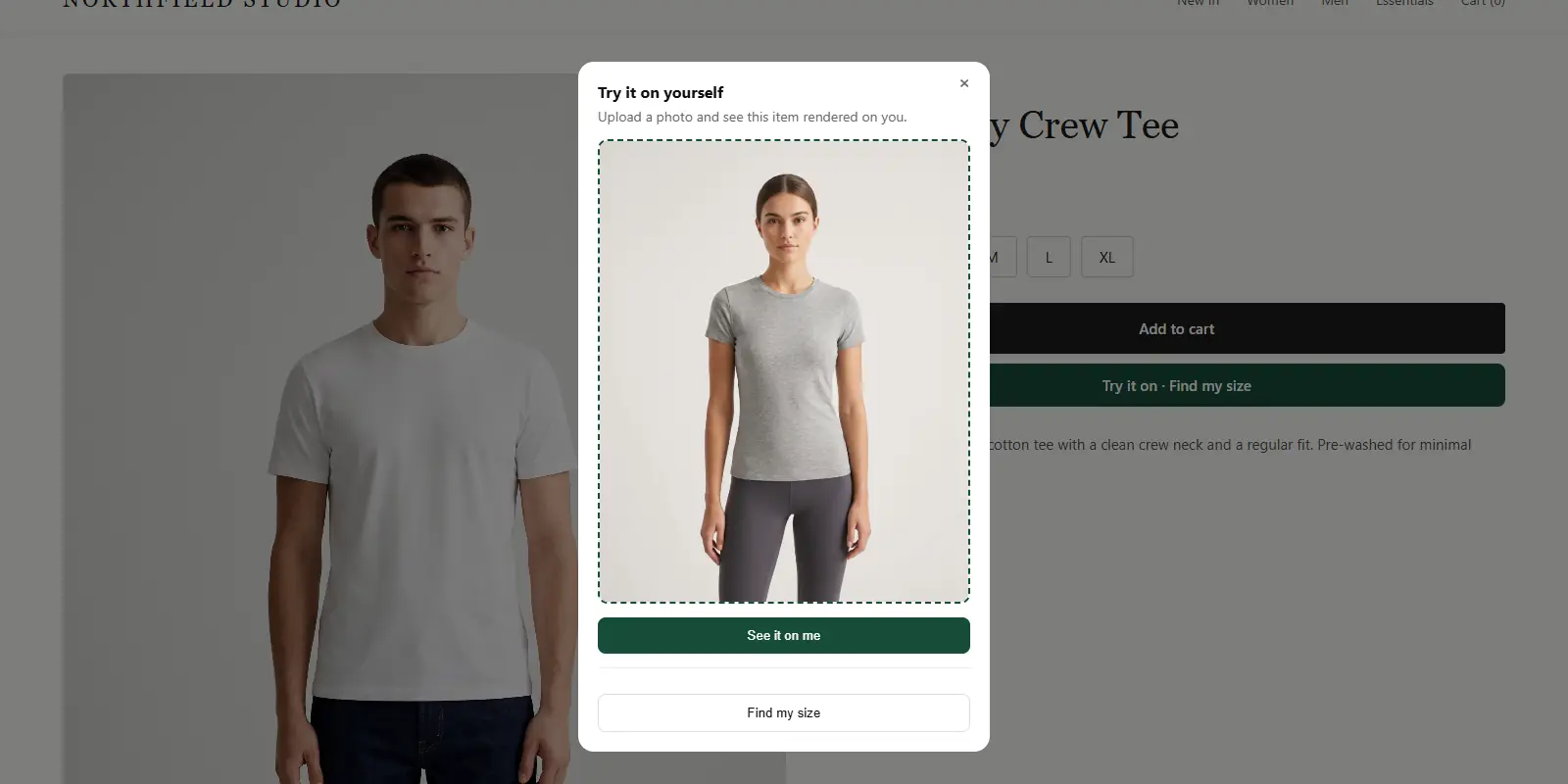
Then focus on helping shoppers pick the right size. The ZeDaq.ai Shopify app lets shoppers upload one photo to see your real garment on their body, and a 30-second body scan can recommend a size from your own chart. To compare options, see the best AI virtual try-on apps for Shopify.
Add try-on to your new store
FAQs
Does my domain need to match my brand name?
It should be as close as possible. A match helps customers find you and trust you.
Is a .com better for SEO?
Don't rely on the extension to rank. Quality content and clear pages matter more than the ending of the domain.
Can I change my domain later?
Yes, but you will need redirects from the old one so links and customers still reach you. It is easier to choose well first.
Should I buy several versions of my domain?
If budget allows, buying the main variants and common misspellings protects you. Redirect them to your primary domain.
Try ZeDaq.ai free
Virtual try-on and Find my size for your store, plus client, order and invoicing tools for tailors, in one subscription.