How Much Do Tailors Charge in Nigeria?
By the ZeDaq.ai team · · 5 min read
On this page
- What does a typical price list look like?
- Why do tailors' prices vary so much?
- Is the price for sewing only, or for the full outfit?
- How should a tailor work out a fair price?
- How do you quote a custom or complex order?
- Should you ask for a deposit?
- How do prices compare with other countries?
- What can you do to keep your prices steady?
Tailors in Nigeria charge anywhere from a few thousand naira for simple items to much more for complex or celebrity work, depending on the garment, the fabric and the tailor. One published price list puts the average cost to hire a tailor at ₦5,000 to ₦50,000, while stressing that a specific style cannot be priced without seeing it.
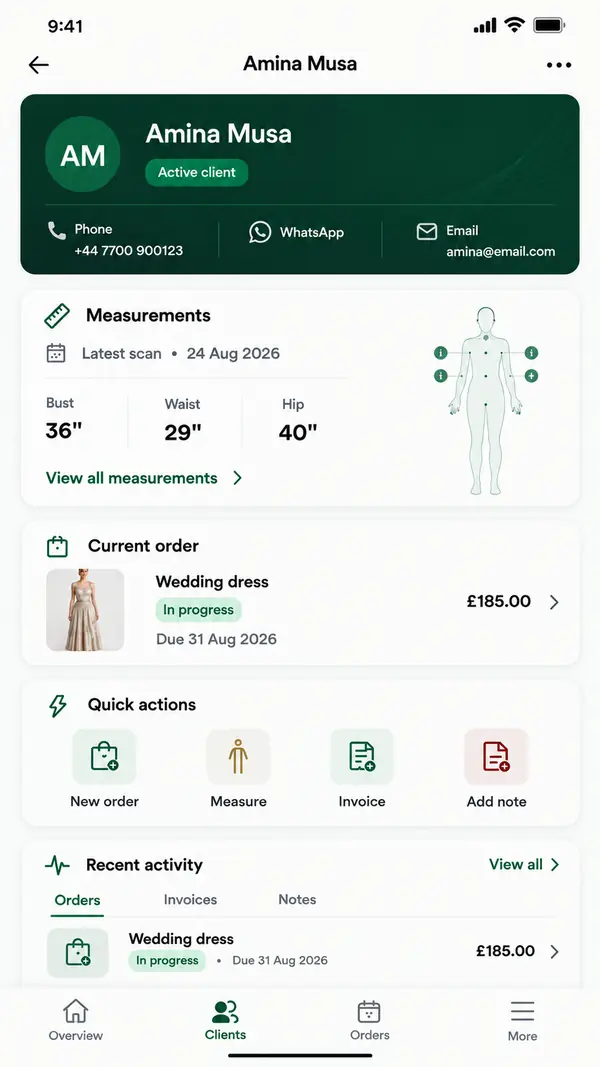
This guide is for tailors and designers who want to set prices, and for clients who want to know what is fair. If you run a tailoring business, ZeDaq.ai's tailor tools cover client records, measurements, orders and invoicing.
What does a typical price list look like?
The table below comes from VisCorner's cost of tailoring services in Nigeria page, checked November 2026. The page gives no date, no method and no named sources for its figures, so treat them as a rough guide only.
| Item | Price listed (₦) |
|---|---|
| Agbada | 10,000 – 15,000 |
| Senator | 8,000 – 10,000 |
| Men's trouser | 5,000 – 10,000 |
| Men's top | 5,000 |
| Up and down (top and trouser) | 15,000 |
| Etibo | 15,000 |
| Dashiki (top) | 5,000 |
| Dashiki (top and bottom) | 15,000 |
The same VisCorner page says a celebrity tailor can charge ₦25,000 to ₦150,000, and that totals can reach ₦200,000 depending on factors such as fabric. It does not list alteration prices.
We could not find an official or dated source that compares city prices, so we do not give figures for Lagos, Abuja or any other city.
Why do tailors' prices vary so much?
There is no fixed rate, and the same garment can be quoted very differently. These factors move the price:
- Garment complexity. An agbada has more panels and finishing than a plain shirt.
- Fabric. Lace, brocade and heavy embroidery take more time and care than plain cotton.
- Lining, embroidery and beadwork. Each adds labor, and sometimes a second specialist.
- Deadline. Rush orders before an Owambe or a wedding usually cost more.
- The tailor's name and demand. A well-known tailor with a waiting list prices higher.
- Who supplies the fabric. Sewing-only prices are lower than a full price with materials.
A client who compares two quotes should ask what each includes.
Is the price for sewing only, or for the full outfit?
This is the most common source of confusion. A sewing-only price covers labor. A full price covers fabric, lining, buttons, zips and any embellishment.
The VisCorner page does not say what its prices include, but it notes that totals depend on factors such as fabric. Always say which one you are quoting. A client who expects a full outfit for a sewing price will be unhappy, and a tailor who forgets materials will lose money.
How should a tailor work out a fair price?
A fixed price list is easier to run, but it should come from your own costs. Use this method:
- Estimate your hours. Time yourself on a few jobs, including cutting, sewing, fittings and finishing.
- Set an hourly rate. Decide what you need to earn per hour, after rent, power and materials.
- Add materials. Thread, lining, zips, buttons, interfacing.
- Add overheads. Rent, electricity, machine servicing and transport.
- Add a margin for fittings and changes. Clients often ask for adjustments.
- Round into a clear price. Offer a number, not a long breakdown.
Here is a worked example with made-up numbers for illustration only. Replace them with your own:
| Cost line | Example amount (₦) |
|---|---|
| Labor: hours × your hourly rate | 6,000 |
| Thread, zip, lining | 1,500 |
| Share of rent and power | 1,000 |
| Buffer for one adjustment | 1,000 |
| Quoted sewing price | 9,500 |
These example amounts are not market prices. They only show the structure of a quote.
How do you quote a custom or complex order?
For anything beyond a standard item, quote after you see the style and the fabric. Ask for a photo of the design and the fabric.
A good quote includes:
- The garment, the style reference and the number of pieces.
- Whether fabric and materials are included.
- The delivery date.
- A deposit and the balance due.
Writing this down avoids disputes. The guide on running a tailoring business on WhatsApp versus a dedicated tool explains how to keep quotes and orders from getting lost in chats.
Should you ask for a deposit?
Yes, for most custom work. A deposit covers your materials and secures the client's commitment. Many tailors take a deposit when the order is agreed and the balance on collection.
Write down the deposit, the balance and the collection date on the invoice. ZeDaq.ai's invoicing supports multiple currencies, including NGN, GBP and USD, which helps if you serve clients abroad.
How do prices compare with other countries?
Currency, wages and fabric costs differ widely, so direct comparison is rarely useful. If you work with clients in other markets, see how tailors price their work in Ghana and what tailors charge in the UK.
What can you do to keep your prices steady?
Review your price list on a schedule, such as every quarter, because the cost of fabric and thread changes. Keep a record of each job's actual hours, so you know which items earn the most.
Client records and measurements help here. When you have a client's measurements saved, repeat orders take less time. ZeDaq.ai lets a client enter measurements through a link they open on their phone.
Keep clients, measurements and invoices in one place
FAQs
Is the price usually for labor only?
Often yes, but not always. Ask whether the quote includes fabric, lining and extras, and say so clearly when you quote.
Do tailors charge more in Lagos?
We could not find an official dated source comparing cities. Ask for two or three quotes in your area.
How much deposit should a tailor ask for?
There is no fixed rule. Many tailors ask for enough to cover materials, and take the balance at collection.
Why was my quote higher than the price list online?
Online lists are rough guides. Fabric, embroidery, deadlines and the tailor's demand can all raise the price.
Try ZeDaq.ai free
Virtual try-on and Find my size for your store, plus client, order and invoicing tools for tailors, in one subscription.

