How Many Fittings Should a Bespoke Order Include?
By the ZeDaq.ai team · · 4 min read
On this page
- What is a baste fitting?
- What happens at the second fitting?
- What is checked at the final fitting?
- How many fittings do different garments need?
- What should you prepare before each fitting?
- How do you handle clients who want to skip a fitting?
- When should you add another fitting?
- How do you schedule fittings without delays?
- How do you record what happens at each fitting?
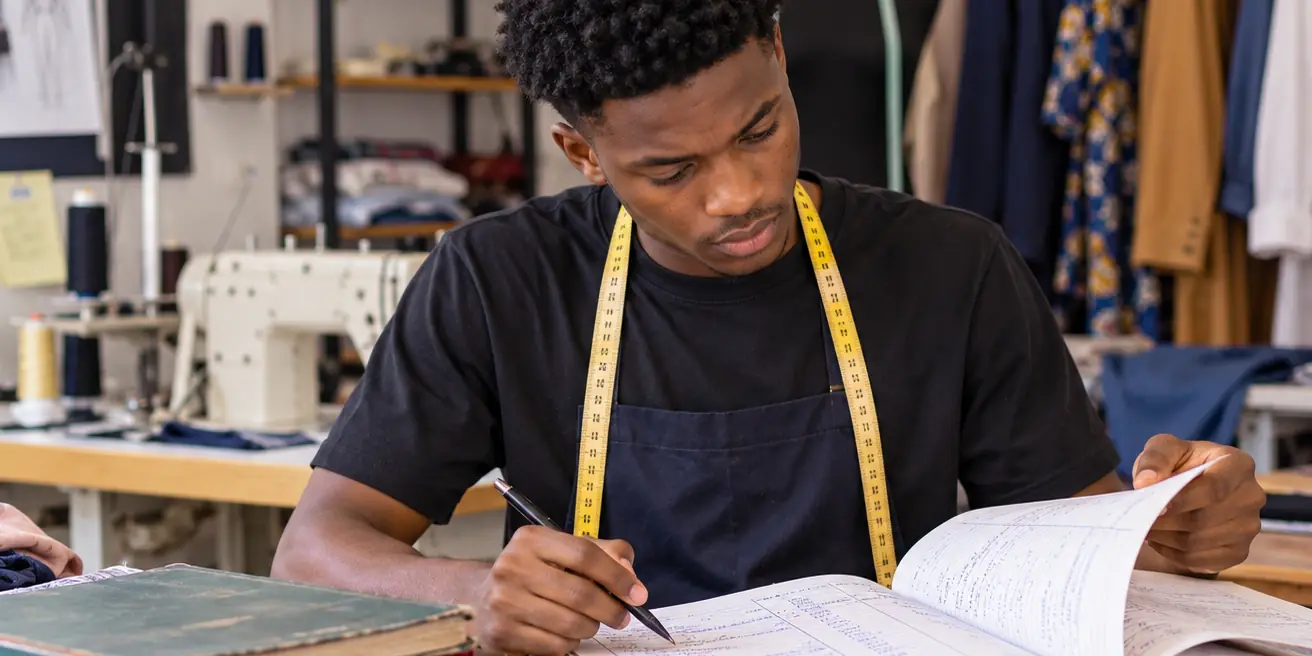
A bespoke order works well with three fitting stages: a baste fitting, a second fitting to refine fit and balance, and a final fitting before delivery. Simple garments can use fewer, and complex ones such as suits and wedding dresses may need more.
The exact number is your choice, so decide it once and put it in your quote. This guide explains what each stage checks, and the tailor tools from ZeDaq.ai help you schedule and track them.
What is a baste fitting?
A baste fitting is the first time the client tries the garment. The pieces are held together with long temporary stitches, so changes are easy to make.
At this stage you check:
- The overall fit and the balance of the garment.
- Shoulder, chest, waist and hip position.
- Length and the line of the design.
Big changes are cheap now and expensive later. That is why this stage matters most.
What happens at the second fitting?
The second fitting follows your adjustments. The garment is closer to finished, with more of the structure in place.
You check:
- Whether the earlier changes worked.
- How the garment moves when the client sits, walks and raises their arms.
- Sleeve length, hem and closures.
For simple garments you may skip this stage or combine it with the final one.
What is checked at the final fitting?
The final fitting confirms that the finished piece is right before delivery. Only small touches should remain, such as a hem, a button or a final press.
If you find a problem here, fix it and confirm with the client before handing over the garment. Do not treat the final fitting as the first time you look at fit.
How many fittings do different garments need?
Use this as a starting point. These are working defaults, not an industry rule, so adjust for your own process.
| Garment | Suggested stages |
|---|---|
| Simple dress, skirt or top | Baste fitting and final fitting |
| Trousers and shirts | Baste fitting, second fitting, final fitting |
| Suits and jackets | Baste fitting, second fitting, final fitting |
| Wedding or occasion gowns | All three, plus an extra fitting near the event |
| Alterations | Single fitting |
The more structure a garment has, the more stages it benefits from. Tailored jackets and gowns hold their shape through seams and lining, so changes get harder as work progresses.
What should you prepare before each fitting?
Preparation keeps each session short and useful.
- Before the baste fitting: have the client's measurements confirmed, the pattern marked and the fabric chosen. Bring a mirror and pins.
- Before the second fitting: make the changes from the last notes, and have the lining, sleeves and structure ready.
- Before the final fitting: press the garment, add buttons or closures, and have shoes or undergarments the client plans to wear ready.
Ask clients to bring the shoes and underlayers they will wear on the day. A hem or a neckline can look different without them.
How do you handle clients who want to skip a fitting?
Explain what the stage checks and why it protects the result. A client who skips the baste fitting gives up the cheapest chance to correct fit.
If they still want to skip, record the decision in writing. Then any change that follows is a revision, not a correction. This protects you both.
When should you add another fitting?
Add one when the client is changing size, when the design is complex or when the first fitting showed a major issue. Weight change before a wedding is a common reason.
Say this at the start. If the client asks for fittings beyond your plan, the guide on how to charge for extra fittings and revisions explains how to price them.
How do you schedule fittings without delays?
Book the next fitting before the client leaves the current one. Work back from the delivery date, then leave time between stages for sewing.
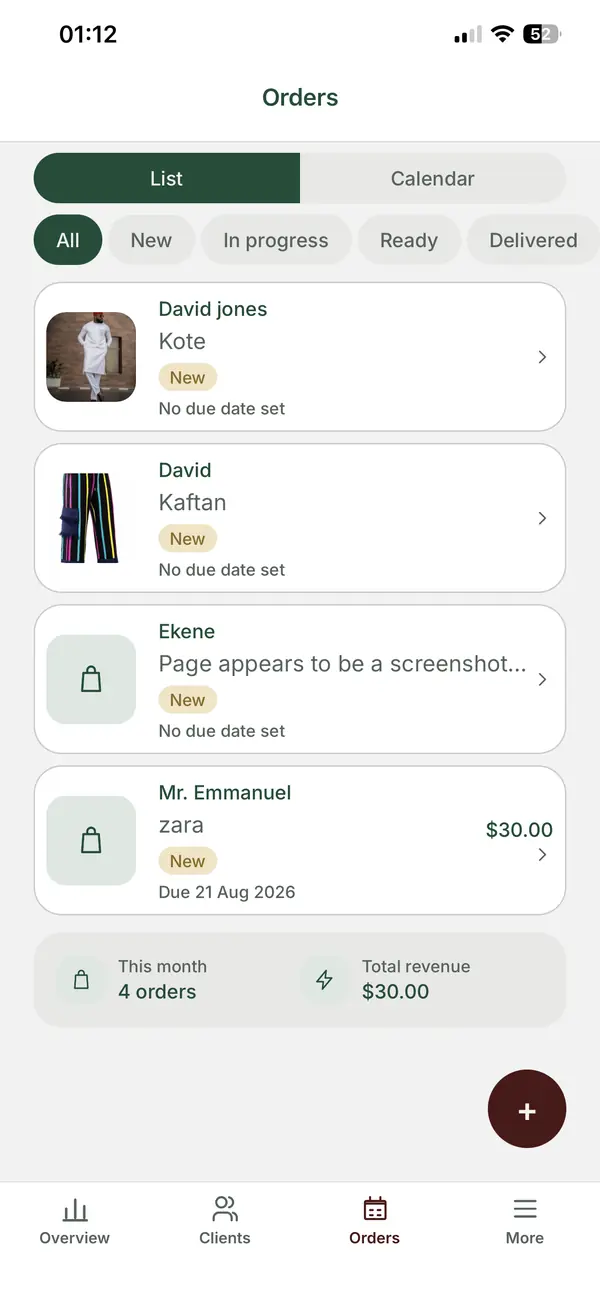
An order board and a delivery calendar make this easier. The article on order management for fashion designers shows how to keep orders, dates and deposits organized.
ZeDaq.ai includes orders and a delivery calendar, plus measurements that clients enter through a link on their phone.
How do you record what happens at each fitting?
Note the date, the changes you made and what the client approved. A short record stops disagreements later.
If you run orders over chat, details get lost. The comparison of ZeDaq.ai and WhatsApp Business for tailors covers that problem.
Plan every fitting on one calendar
FAQs
Is one fitting enough for a bespoke garment?
For a simple garment, one fitting plus a final check may be enough. For structured pieces, one fitting rarely gives you room to correct fit.
Should the number of fittings be in the quote?
Yes. State it clearly so the client knows what is included and what costs extra.
What if the client cannot attend a fitting in person?
You can collect updated measurements through a phone link and decide whether an in-person fitting is still needed. Do this for small changes, not for major fit decisions.
How long should I leave between fittings?
Leave enough time to complete the work from the last fitting. This depends on the garment, so plan it into your delivery calendar.
Try ZeDaq.ai free
Virtual try-on and Find my size for your store, plus client, order and invoicing tools for tailors, in one subscription.

