Fashion Returns in Nigeria: Logistics Options
By the ZeDaq.ai team · · 4 min read
On this page
- What are your return logistics options?
- What do logistics providers actually say about returns?
- How do you choose between them?
- Who pays for the return shipping?
- How do you write a return policy that works with local logistics?
- What does a returns workflow look like?
- What about cash-on-delivery orders and failed deliveries?
- How can you reduce returns before they start?
Fashion returns in Nigeria usually run through one of four routes: a courier pickup from the customer, a drop-off at a local point, a customer-paid dispatch rider, or an in-person exchange. The right option depends on where your customers live, what the item costs and how fast you need it back.
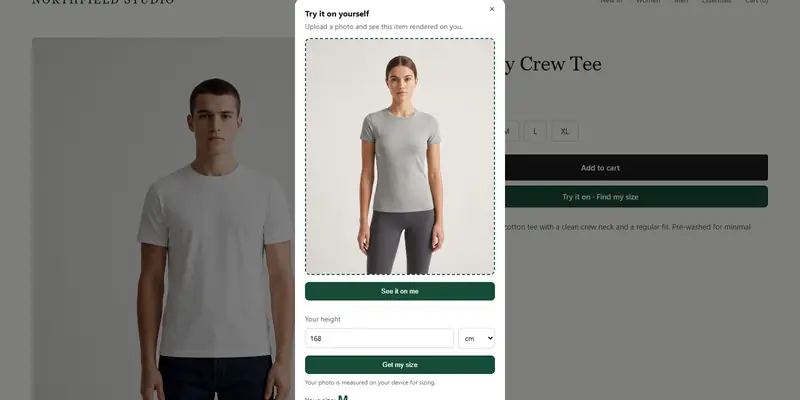
This guide is for store owners shipping within Nigeria. Returns cost most when a customer ordered the wrong size, so fixing fit upstream, for example with an AI size recommendation for fashion stores, reduces how many parcels travel back at all.
What are your return logistics options?
| Option | Works best for | Main drawback |
|---|---|---|
| Courier pickup | Customers outside your city | Slower, and you must confirm the provider offers it |
| Drop-off point or your own pickup spot | Customers near your location | Customer must travel |
| Dispatch rider (customer or store books) | Same-city exchanges | Cost varies, tracking varies |
| In-person exchange | Pop-ups, events, studio | Only for local buyers |
This is a general comparison, not a ranking. Check each provider's current terms before you rely on them.
What do logistics providers actually say about returns?
Do not assume a courier handles returns. Read what they publish.
GIG Logistics, a Nigerian courier, describes on its official site delivery across all 36 states, pickups booked through its app, and services such as last-mile delivery, e-commerce, warehousing and an express interstate service. The homepage does not mention returns or reverse logistics (checked November 2026). If you want a pickup-for-return service, ask the provider directly and get the terms in writing.
Do the same for any courier you consider. Ask what they do for returns, not just forward delivery.
How do you choose between them?
Ask each provider the same questions.
- Do you collect parcels from customers, and in which areas?
- Who books the pickup, the customer or the store?
- How do I track the parcel on its way back?
- What happens if the parcel is damaged or lost?
- Are payments by transfer, and can I get a receipt?
- How long does a return typically take?
Record the answers in a simple table, then compare. Also test with a small parcel before routing every return through one provider.
Who pays for the return shipping?
Decide this in your policy, not case by case.
- Customer pays for change-of-mind returns.
- Store pays when you sent the wrong item or a faulty one.
- Shared cost for a size exchange, which some stores use to encourage swaps over refunds.
Whatever you choose, write it down. The guide to reverse logistics basics for fashion brands covers how returned stock is inspected and put back on sale. For payment-on-delivery orders, see cash on delivery returns in Africa.
How do you write a return policy that works with local logistics?
A good policy reflects how returns really happen. Include:
- The window in which a return must be requested. Pick your own period.
- Condition rules: unworn, tags attached, original packaging.
- Which items cannot be returned, such as custom-made pieces.
- How the customer starts a return, for example by message or form.
- Whether you offer refund, exchange or store credit.
Keep the language plain and short.
What does a returns workflow look like?
Here is a simple workflow for a small store.
- The customer messages you with the order number and reason.
- You reply with the return rules and ask for photos if the item is faulty.
- You agree the route: pickup, drop-off or exchange.
- The customer sends the parcel, with a note inside showing the order number.
- You inspect the item on arrival and record its condition.
- You refund, exchange or issue store credit and tell the customer.
Keep a log with the date at each step. It shows where returns stall and which route works best.
What about cash-on-delivery orders and failed deliveries?
Pay-on-delivery orders can add returns when buyers refuse the parcel at the door. Reducing failed deliveries starts with confirming the order and address before dispatch. The guide on reducing failed deliveries in Nigeria covers this in more detail.
How can you reduce returns before they start?
Most fashion returns trace back to size and fit. You can lower the volume by being clear on the product page.
- Show your own size chart and say whether the garment runs small or large.
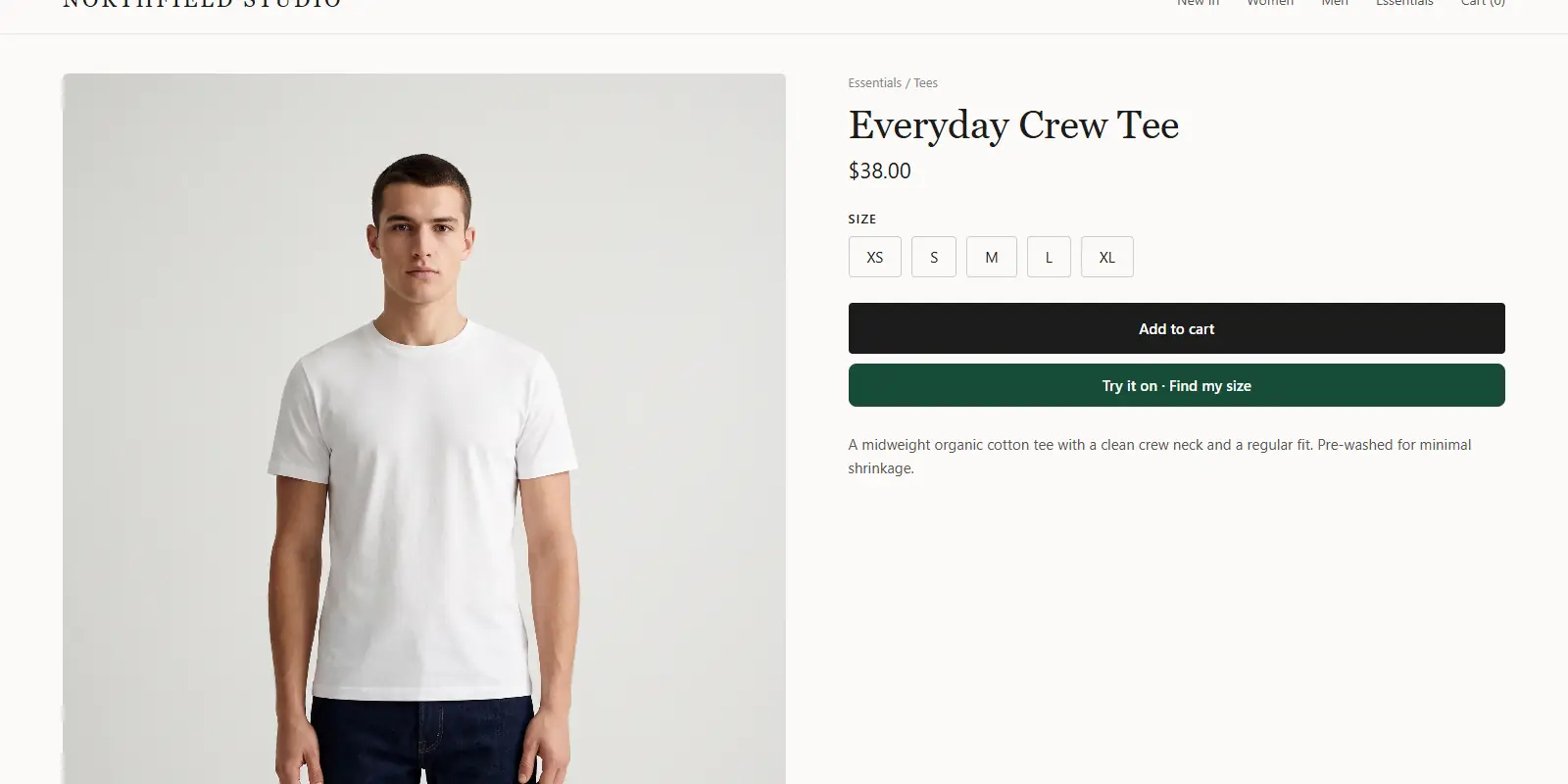
- Add the model's height and size.
- Use clear photos of color and fabric.
- Offer a size suggestion based on the shopper's measurements.
The product page checklist for fashion stores lists these steps in order.
ZeDaq.ai's size recommendation uses a 30-second body scan matched to the store's size chart. Try it on the Free plan, which includes 3 measurements a month, before choosing a paid plan.
Help shoppers pick the right size first
FAQs
Is a courier required to offer returns?
No. Many couriers focus on forward delivery. Ask each provider whether they collect from customers.
Should I offer free returns?
That is a business choice. Consider free exchanges for size problems and customer-paid returns for change of mind.
How do I handle returns from other cities?
Courier pickup is the usual option, if the provider offers it in that area. Confirm the area and cost first.
What if the item comes back damaged?
Photograph the parcel and item on arrival, and follow the damage terms in your policy and your courier agreement.
Try ZeDaq.ai free
Virtual try-on and Find my size for your store, plus client, order and invoicing tools for tailors, in one subscription.