Reverse Logistics Basics for Fashion Brands
By the ZeDaq.ai team · · 4 min read
On this page
Reverse logistics is the process of moving a product from the customer back to you and deciding what happens next: restock, repair, resell at a discount, or dispose. For a fashion brand, a clear return flow protects margin because every returned item either returns to sale or becomes a loss.
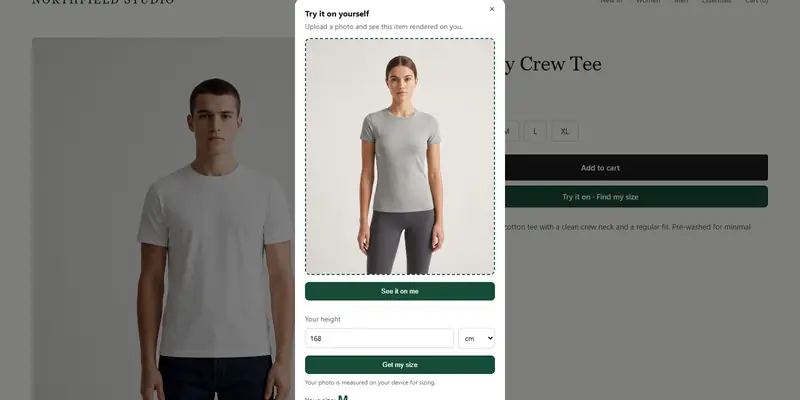
Many returns start with a wrong size, so the cheapest fix is often upstream. AI size recommendation helps shoppers choose better before they order. This guide covers what happens after a return is requested.
What does the reverse logistics flow look like?
Every return follows the same path, even if your team does some steps by hand.
- Request. The customer asks to return an item and gives a reason.
- Approval. You check the request against your return policy.
- Label and shipping. The customer gets a label or drop-off instructions.
- Transit. The parcel travels back to your warehouse or workshop.
- Receiving and inspection. Someone opens it and checks the item.
- Decision. The item is restocked, repaired, discounted or disposed of.
- Refund or exchange. The customer is paid back or sent a new size.
Write this flow down and give each step an owner. Most delays happen between steps, not inside them.
Why does fashion need its own return flow?
Clothing returns have patterns that other categories don't. Customers often order two sizes and send one back. Items come back worn, marked or missing tags. Seasonal stock loses value quickly if it sits unprocessed.
Speed therefore matters more for fashion. A jacket that is back on the shelf in days can sell at full price. The same jacket stuck in a box for weeks may only sell on sale.
How should you route returned items?
Routing means deciding, by condition, where each item goes. Set clear grades so staff don't have to guess.
| Condition | Typical route |
|---|---|
| Unworn, tags on, packaging intact | Restock as new |
| Tried on, clean, no damage | Inspect, press or steam, restock |
| Minor flaw (loose thread, small mark) | Repair or clean, then restock or discount |
| Damaged or heavily worn | Sell as a second, donate or recycle |
| Wrong item or manufacturing fault | Send to quality control and, if needed, back to the supplier |
Keep one shelf or bin for each route. A single "returns" pile hides stock that could be sold.
When an item fails because of a stitching or fabric fault, treat it as a quality signal, not just a return. Feeding those faults back into your checks is covered in the guide to quality control for small production runs. Fixing the cause is cheaper than processing the same return again and again.
Who should handle returns: you or a partner?
Small brands can process returns themselves, since volumes are low and each item gets attention. As volume grows, a third-party logistics provider (3PL) can receive and inspect returns for you.
The same trade-offs apply as with outbound shipping. Our guide to in-house fulfillment vs a 3PL covers control, cost and speed in more detail.
Whoever handles returns, agree on written grading rules and a turnaround time. Without them, two people will grade the same item differently.
How do you cut the cost of returns?
You can reduce cost in three places.
- Before purchase. Clear size charts, fit notes and good photos prevent wrong-size orders. Our overview of how virtual try-on affects clothing returns explains the link between fit information and returns.
- During the return. Use prepaid labels only where your policy needs them. Ask for a reason code on every return so you can spot patterns.
- After receipt. Process items fast, grade consistently and put sellable stock back online quickly.
Reason codes are the most useful habit. If many returns say "too small" on one style, fix that style's size chart or description.
How should you set your return policy around the flow?
Your policy decides how much work reaches your warehouse. A clear return window, condition rules and a stated process for exchanges all reduce the number of messy parcels.
Write the policy in plain language and link it from every product page. Customers who know the rules before buying are less likely to send back worn items or ask for exceptions. Make sure your team applies the same rules at the inspection step.
What should you track?
You don't need complex software to start. A spreadsheet with these columns is enough:
- Order number and item
- Reason code (size, quality, changed mind, wrong item)
- Date requested, date received and date back in stock
- Condition grade and route
- Refund amount
Review it each month. Look for styles with repeat problems and for steps where items wait too long.
Reduce wrong-size orders before they ship
FAQs
What is the difference between reverse logistics and returns management?
Returns management covers the policy and customer side: rules, requests and refunds. Reverse logistics covers the physical movement and handling of the item afterward.
Should I charge customers for return shipping?
That is a business decision. Paid returns discourage some orders but can put off buyers. Whatever you choose, state it clearly on the product and policy pages.
Can returned clothing always be resold?
No. Some items are damaged or worn. Grade each one, and use the second, donate or recycle routes for anything you can't sell as new.
How can a small brand start?
Write the seven-step flow, set up the grading table and log every return with a reason code. Improve from the data after a month.
Try ZeDaq.ai free
Virtual try-on and Find my size for your store, plus client, order and invoicing tools for tailors, in one subscription.