Pricing African Fashion for International Buyers
By the ZeDaq.ai team · · 4 min read
On this page
To price African fashion for international buyers, work out your full cost per piece, add shipping and a margin, then show one clear price in a currency your buyers know, usually US dollars. Be upfront about who pays duties and import taxes so the price at checkout is the price they expect.
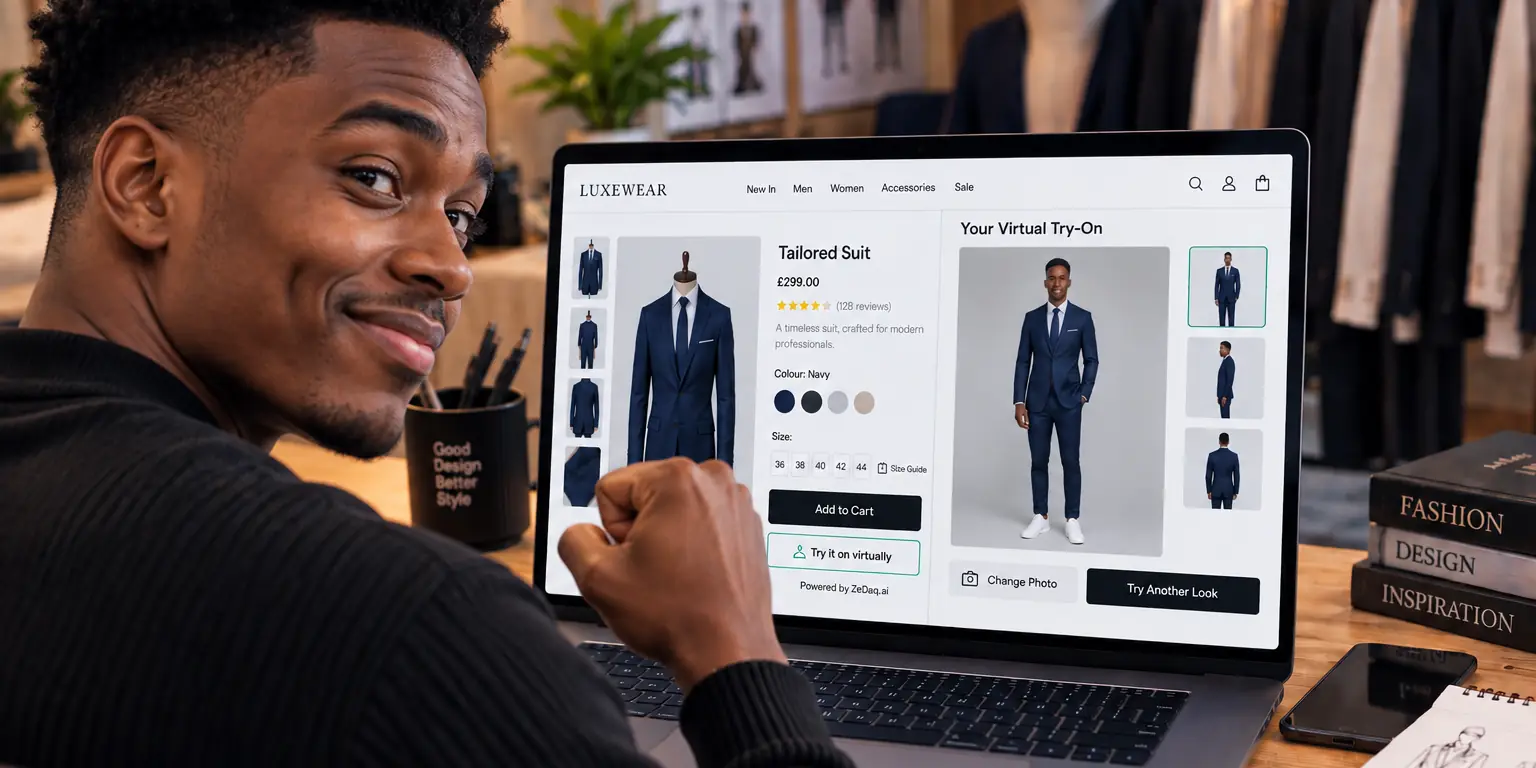
Pricing is only half the trust problem. Overseas buyers also need to know the piece will fit, which is why many brands pair prices with virtual try-on for African fashion brands. This guide covers the pricing side, step by step.
What costs go into an international price?
Start with everything it takes to make and deliver one piece. Leave nothing out, or your margin disappears on the first parcel.
- Fabric and trims: materials for the finished piece.
- Labor: the maker's time, including fittings or alterations.
- Overheads: rent, tools, power, software and your own pay.
- Packaging: boxes, tissue, labels and branded extras.
- Shipping: the courier cost to the buyer's country.
- Payment fees: what your payment provider takes per sale.
- Returns and remakes: a share of the cost of fixing mistakes.
Write each line in your own currency first. Then convert the total using today's exchange rate, and re-check it regularly.
How do you turn costs into a price?
Use a simple worked method on a spreadsheet:
- Add all costs for one piece to get your landed cost.
- Decide the margin you need after payment fees and returns.
- Divide your landed cost by what is left after the margin to get a selling price.
- Round to a clean number that suits your brand.
- Test the result against similar brands in your target market.
Do the same sum for each product category, because a gown and a headwrap carry different costs.
Should you price in dollars or local currency?
Show prices in a currency your buyer understands. For African brands selling abroad, that is often US dollars, or the buyer's own currency through a store setting.
If you use Shopify, its Markets settings can convert prices automatically at the current market exchange rate, or let you round and set fixed prices per country (Shopify help on international pricing). Those features have conditions, so check the page for your store.
Whichever route you pick, keep your prices stable. Prices that jump with every exchange rate move confuse repeat customers.
Who pays duties and import taxes?
Buyers might be charged duties and import taxes when a shipment arrives, according to Shopify's duties guidance. Amounts depend on the product classification, where it comes from and where it is going.
Decide your policy before you launch:
- Buyer pays on delivery: your price stays low, but buyers may face a surprise bill.
- Estimated at checkout: Shopify says merchants can collect an estimate at checkout so customers avoid unexpected charges. It has setup requirements, such as product codes.
Whichever you choose, state it plainly on the product page and in the shipping policy. A clear note beats a surprise at the door.
How do you explain a higher price to overseas buyers?
International buyers often compare your price with mass-market brands. Give them the reasons to pay for yours.
- Say how the piece is made and by whom.
- Show the fabric, such as hand-dyed or hand-woven cloth, close up.
- Explain the lead time for made-to-order pieces.
- Describe the fit clearly, so the price feels safe.
Building confidence in a first-time purchase is covered in the guide to starting an African fashion brand online.
How does fit affect your pricing?
Every return from abroad costs shipping both ways, and often a lost sale. Clear sizing protects your margin as much as a good price does.
Add a full size chart in your buyer's measurement units, with a fit note on each product. On Shopify, the guide to building a store for an African fashion brand covers the store setup.
A size recommendation can help too. ZeDaq.ai matches a shopper's measurements to your own size chart from one photo and their height.
What about the tools you use to run the business?
Software costs belong in your overheads. If you make to order, you may also use invoicing and measurement tools. The comparison of tailoring software pricing shows how to judge what is worth paying for.
ZeDaq.ai's Free plan costs $0 and includes 3 try-ons, 3 measurements and 5 invoices a month, and paid plans start at $14 a month for Micro.
Test fit tools on your own products
FAQs
Should I include shipping in the price?
You can, or show it at checkout. Many overseas buyers prefer one clear total, but only if the price still looks competitive.
Do I need to change prices when the exchange rate moves?
Not every day. Review prices on a schedule and change them only when the move affects your margin.
Who pays import duties?
It depends on the destination and your shipping terms. Say clearly on your store whether the buyer pays on delivery or you collect an estimate at checkout.
Should I discount for overseas buyers?
Not by default. Price to protect your margin, and add promotions only when the numbers allow.
Try ZeDaq.ai free
Virtual try-on and Find my size for your store, plus client, order and invoicing tools for tailors, in one subscription.