Shopify Conversion Rate for Clothing Stores: What's Normal?
By the ZeDaq.ai team · · 4 min read
On this page
A normal Shopify conversion rate for a clothing store is a low single-digit percentage of sessions, but the exact figure depends on your traffic, prices and store age. This article does not quote a benchmark, because published numbers come from different datasets and methods, and a single figure would mislead more than it helps.
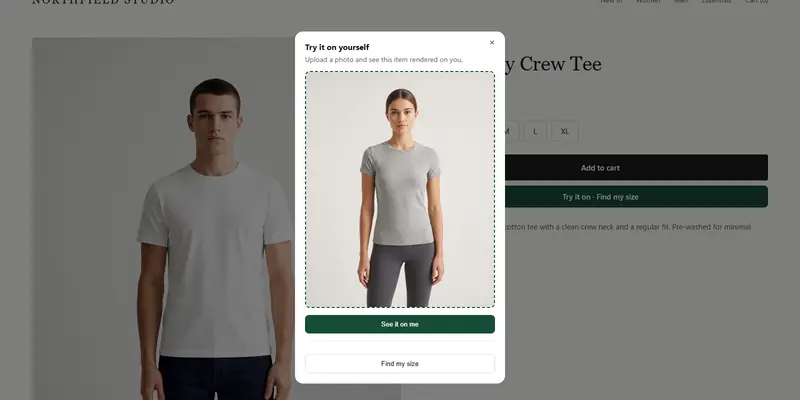
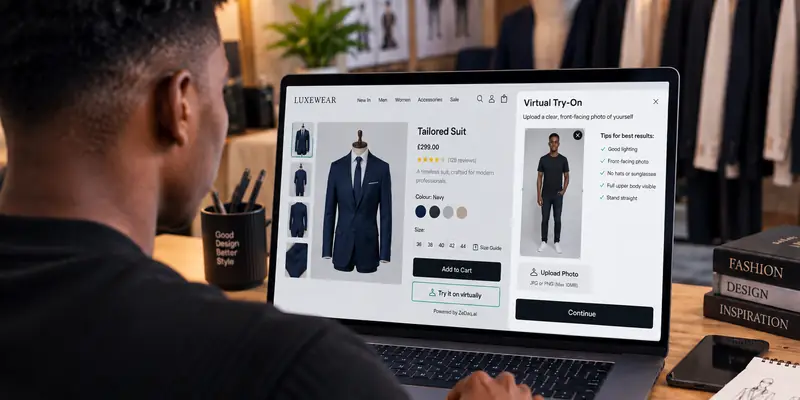
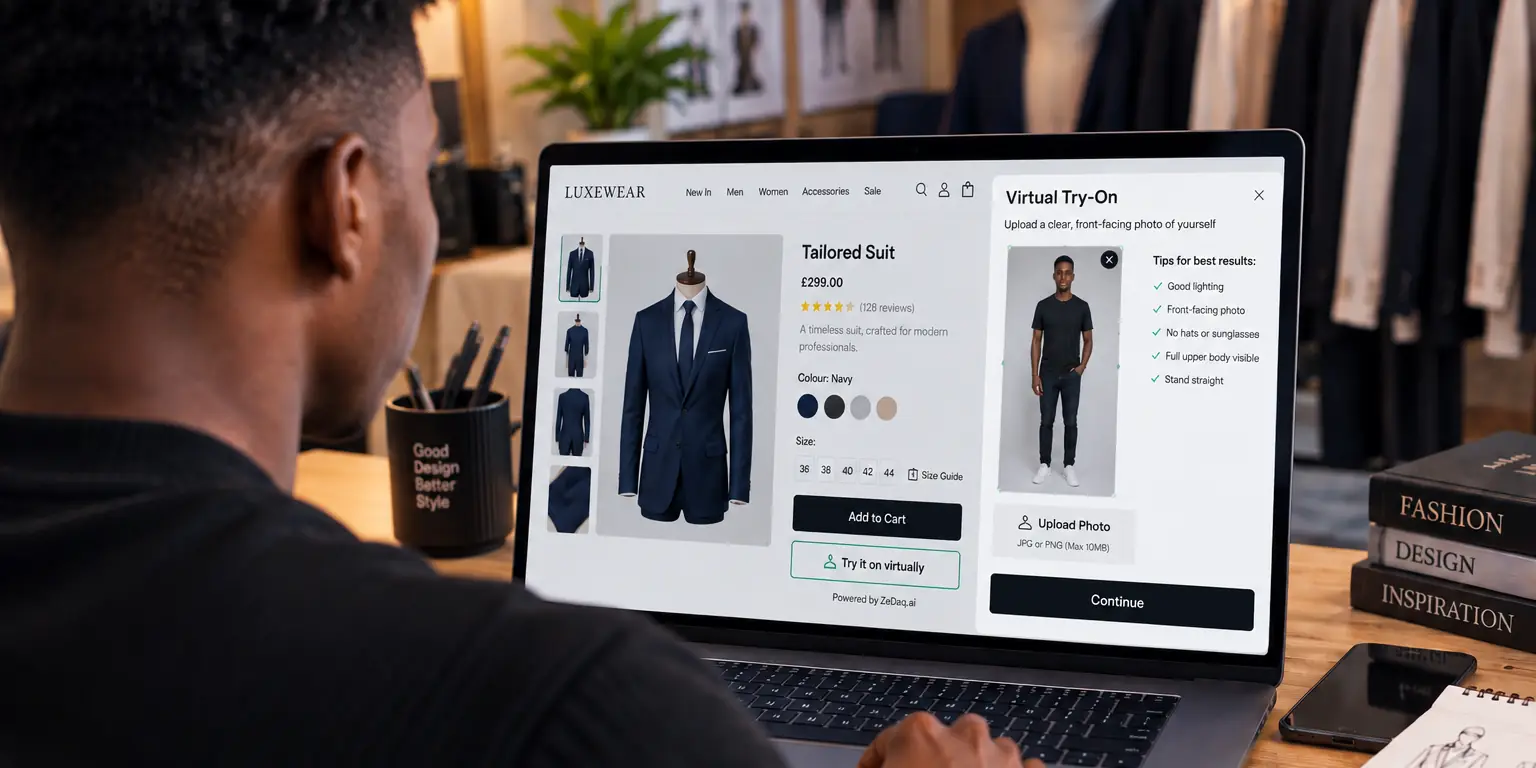
The better question is whether your own rate is rising, and why. Conversion rate is the share of visits that end in an order. Fit confidence is one of the main levers in fashion, which is why many stores add virtual try-on to Shopify. Below is how to measure your rate and read it sensibly.
What is a conversion rate, exactly?
Conversion rate is orders divided by sessions, shown as a percentage. If a hundred sessions produce two orders, the rate is two percent. That example is only arithmetic, not a benchmark.
Shopify's analytics reports a conversion rate for your store. Read Shopify's own documentation on how it defines the metric, because definitions differ between tools. Google Analytics, for instance, may count differently.
Keep the same tool and definition when you compare periods. Switching tools mid-year makes your history useless.
Why do published benchmarks disagree?
You will see different numbers for "average fashion conversion" across the web. There are good reasons:
- Different datasets. Some use only Shopify stores, others use all ecommerce.
- Different definitions. Some divide by sessions, some by visitors.
- Different store types. A luxury label and a budget store behave differently.
- Different time periods. Sales seasons change the average.
Because of this, a benchmark is a loose guide at best. Treat any single figure with caution unless you can see who published it and how it was calculated.
What affects a clothing store's conversion rate?
Fashion has a few drivers that other categories don't:
- Traffic quality. Visitors from search or email who already want your product convert better than cold social traffic.
- Price point. Higher prices usually mean fewer, more considered orders.
- Mobile experience. Most fashion browsing is on phones, so slow pages hurt.
- Fit confidence. Shoppers who aren't sure about size often leave without buying.
- Returns terms. A clear, fair returns policy lowers the risk of buying.
- Trust signals. Clear contact details, shipping times and real photos matter.
How do you measure your own rate properly?
Compare like with like, and look at trends rather than single days.
- Open Shopify's analytics and note your conversion rate for the last full month.
- Split it by device, since mobile and desktop differ.
- Split it by traffic source, such as search, email and social.
- Compare to the same period last year if you can, to allow for seasons.
- Record the numbers somewhere so you can see progress.
Your own history is a better benchmark than another store's number. A rate that climbs after a change tells you something real.
How can you improve it?
Start with the biggest leak. Look at where shoppers drop off: product page, cart or checkout.
- Product pages. Improve photos, add real size charts and fit notes. The guide on size guides that actually reduce returns gives a method that helps conversion as well.
- Cart and checkout. Remove surprise costs and extra steps. See how to reduce cart abandonment on a Shopify clothing store.
- Fit tools. A size recommendation or try-on lets shoppers check size before buying. ZeDaq.ai's Shopify app offers both, and a shopper only needs one photo and their height.
- Returns policy. The article on returns policy ideas that protect margins shows how to reassure shoppers without losing money.
Change one thing at a time and give it enough time to show a result. Changing several things at once makes it impossible to know what worked.
What is a sensible goal?
Set a goal relative to yourself, such as a small steady rise over a quarter. Pair it with a second measure, like average order value or return rate, because a higher conversion rate means little if returns eat the profit.
Review the goal each month, and write down what you changed, so you can link results to actions.
Does moving platforms change your rate?
It can, though the cause is usually page speed, checkout or design rather than the platform name. If you are thinking about a move, the guide to migrating a fashion store from WooCommerce to Shopify explains how to protect traffic and compare rates before and after.
Track your rate for several weeks before and after any major change, so you can see the effect clearly.
Help shoppers choose the right size
FAQs
Is a low conversion rate always a problem?
No. Stores with high prices or a lot of browsing traffic often convert at lower rates. What matters is whether your rate is stable or improving.
Should I compare mobile and desktop separately?
Yes. Shoppers behave differently on each, and mobile often converts lower even when it brings more visits.
How long should I wait before judging a change?
Wait long enough to cover a few weeks and a reasonable number of sessions. Short windows can be misleading.
Can fit tools raise my rate?
They may help shoppers feel sure about size, but results vary by store. Measure your own rate before and after, and do not expect a fixed outcome.
Try ZeDaq.ai free
Virtual try-on and Find my size for your store, plus client, order and invoicing tools for tailors, in one subscription.