Quality Complaints vs Fit Complaints: Telling Them Apart
By the ZeDaq.ai team · · 4 min read
On this page
To tell quality complaints from fit complaints, check whether the garment itself is faulty or whether it simply does not suit the body that received it. A faulty seam is a quality issue, and a sleeve that is too short is a fit issue.
Mixing the two sends you to the wrong fix. This guide gives you a sorting test you can run on every return. It builds on the data you collect with AI size recommendation for fashion stores and a clean returns form.
Why does the difference matter?
A quality fix and a fit fix cost different things. Quality problems point at your supplier, your fabric or your packing. Fit problems point at your size chart, your product photos and your fit notes.
If you treat every return as a fit problem, you may change a size chart that was fine. If you treat every return as a quality problem, you may blame a factory for a chart that is wrong.
What counts as a quality complaint?
A quality complaint says the item is faulty or poorly made, no matter who wears it. Typical signs:
- A seam split, a zipper broke or a button came off.
- The fabric pilled, faded or ran in the first wash.
- Stitching is uneven or a hem is crooked.
- The item arrived stained, torn or damaged.
The same garment would be faulty on any body. That is the key test.
What counts as a fit complaint?
A fit complaint says the item works as made, but not on this person. Typical signs:
- "Too small," "too big," "too tight across the hips."
- "Sleeves too short" or "too long."
- "Fits differently than my usual size."
Another body might wear the same garment happily. The garment is not faulty. The match between the item and the buyer is.
What about complaints that are neither?
Some returns are about expectation, not defect or size. The color looks different, the fabric feels thinner, or the style looks different in person. The guide to reducing "item not as described" returns covers this group in depth.
Treat it as a third bucket so it does not pollute your quality or fit counts.
How do you sort a return in four questions?
Use this test on every returned item.
- Is the item damaged or defective? If yes, mark it quality.
- Does the stated reason mention size, length or tightness? If yes, mark it fit.
- Does the reason mention color, fabric feel or style? If yes, mark it expectation.
- Did the shopper give a vague reason? If yes, look at the item. A quick inspection settles most of them.
Question 1 comes first because a damaged item should never be blamed on size, even when the shopper says "doesn't fit."
Worked example
A shopper returns a dress and writes "doesn't fit." You open the parcel and find the side zipper is stuck.
The shopper could not close the dress, so they said it did not fit. The real cause is a quality defect. Mark it quality, and tell your supplier. If you had marked it fit, your size chart would look worse than it is.
How do you capture the difference in your returns form?
Ask the question in a way that separates the buckets. Offer reasons such as:
- Item arrived damaged or faulty
- Too small
- Too large
- Wrong length
- Not what I expected (color, fabric or style)
- Other (with a text box)
If you are building this form from scratch, use the same codes for all products so you can compare them. Then read your reasons by product, using the approach in fit guarantees: should you offer one to decide how to respond to fit returns.
What should you do when each bucket grows?
Match your response to the bucket.
| Bucket | What it points to | Typical fix |
|---|---|---|
| Quality | Supplier, fabric, packing | Inspect stock, change supplier or add a quality check before shipping |
| Fit | Size chart, fit notes, photos | Correct the chart, add garment measurements, add a fit note |
| Expectation | Photos, copy | Update photos and descriptions |
Fit fixes are easier when the shopper gets a size from your own chart. A size guide that actually reduces returns is the first thing to review when the fit bucket is large.
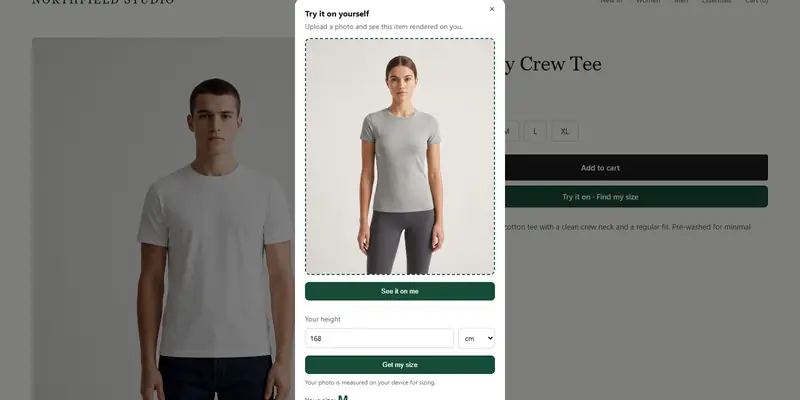
You can also give shoppers a size recommendation before they order. You enter your own size chart and the scan recommends your labels. A free plan lets you test it with 3 measurements a month.
Test size recommendations on your own products
FAQs
How do I know if a "doesn't fit" return is really a defect?
Inspect the item before you decide. Look at zippers, seams and closures, because a faulty closure often makes a garment seem too small.
Should I count damaged items in my fit return rate?
No. Keep damaged and defective items in their own bucket, or the fit rate will look higher than it is.
What if I cannot tell from the item?
Mark it as unclear and look for patterns. If many unclear returns come from one product, check both the size chart and the supplier batch.
Do I need software to sort returns?
No. A spreadsheet with a reason column and a clear code list is enough to start. Software helps when you have many orders.
Try ZeDaq.ai free
Virtual try-on and Find my size for your store, plus client, order and invoicing tools for tailors, in one subscription.