Pop-Ups and Trade Shows for African Brands Abroad
By the ZeDaq.ai team · · 4 min read
On this page
An African fashion pop-up abroad works best when you treat it as a short, focused test: pick one event that matches your customer, bring a small tight range, and collect contacts you can follow online. A trade show is different, because buyers come to place wholesale orders rather than to try things on.
This guide covers how to choose between the two, what to pack, and how to keep the sales going afterward. If your online store is not set up yet, start with virtual try-on for African fashion brands, because most event visitors will buy from your website later.
Should you do a pop-up or a trade show?
Pick based on who you want to meet.
| Pop-up or market stall | Trade show | |
|---|---|---|
| Main visitor | Shoppers | Boutique and store buyers |
| What you sell | Single pieces, direct | Wholesale orders, sampled |
| Fitting needed | Yes, usually | Rarely |
| Best for | Testing a new city or diaspora audience | Getting stocked by shops |
If you are still building a customer base, start with a pop-up. If you already have a lookbook, wholesale prices and production capacity, a trade show makes more sense. Wholesale terms are covered in African fashion wholesale to boutiques.
How do you choose the right event?
Look for events where your customer already goes, not the biggest event you can find. A cultural festival, a diaspora wedding fair, a church or community market, or a design market can all work.
Ask the organizer these questions before you pay:
- Who attended last time, and how were they recruited?
- Are other clothing sellers there, and in which price range?
- Is a fitting space allowed, or only a table?
- What are the setup times, power access and cancellation terms?
Check each organizer's own page for dates and fees. They change by year, so don't rely on an old listing.
What should you pack?
Bring fewer styles than you think, in more sizes. A small range is easier to display and easier to restock in your head.
A packing checklist
- One rail and enough hangers for your whole range
- A full-length mirror, since shoppers need to see the fit
- A curtain, screen or pop-up changing tent
- A clear size chart and a tape measure
- A card reader and a backup payment option
- Branded bags, tissue and care cards
- A sign-up sheet or QR code for your mailing list
- Spare pins, a steamer and a small repair kit
Fabric travels badly if it is folded wet or crushed for days. Steam pieces on site and pack structured items such as jackets flat or on hangers.
How do you handle sizing at a stall?
Visitors cannot try on every size, so keep a size ladder: one of each style in a middle size, plus a measuring tape. Measure the person, then compare against your chart.
Many African pieces are made to measure or have fabric that does not stretch. Explain this at the stall. A short card that says what is ready to take home, and what takes time to make, avoids confusion. The guide to selling made-to-measure clothing online shows how to write that clearly.
How do you sell after the event ends?
Most visitors will not buy on the day. They will go home, think, and check your website.
Make that step easy:
- Put a QR code on your sign that opens your shop, not just your Instagram.
- Ask for an email in exchange for something useful, such as your size chart or a care guide.
- Write down what each person tried and what size fit them.
- Send a short follow-up within a few days, while they remember you.
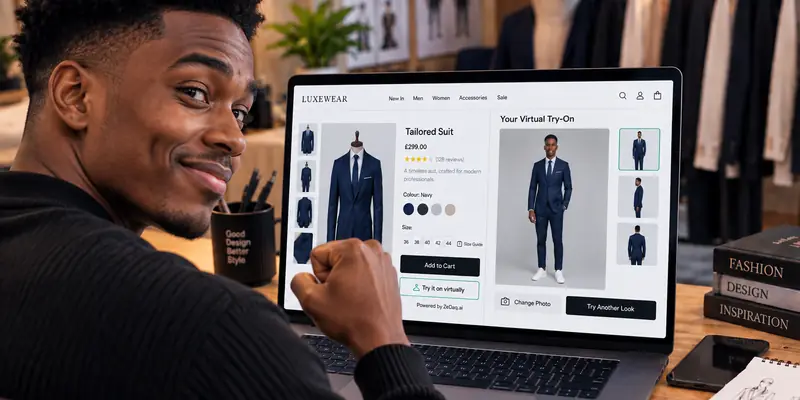
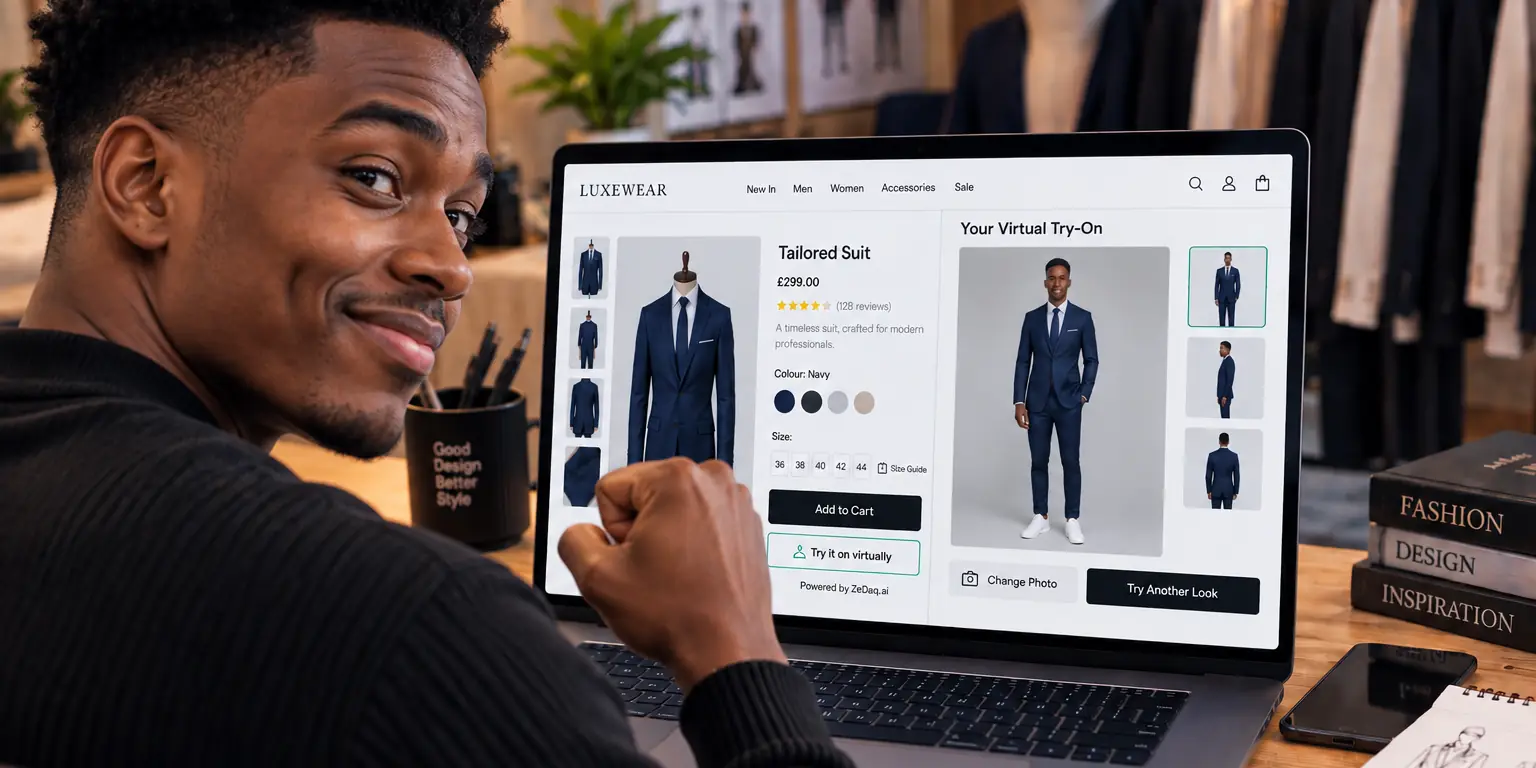
If your online store has a try-on or size tool, such as a virtual fitting room for clothing websites, point visitors to it. Shoppers who could not try your outfit at the stall can see it on themselves later. Many of them are buying for someone abroad, which is covered in buying African outfits as gifts.
What do overseas shoppers expect from you?
They expect clear prices in their currency, honest delivery times and an easy return route. Plan for shipping and import costs before you travel, and check the customs and sales-tax rules of the country you are visiting with its official government site.
Diaspora customers also tend to ask about fabric origin and sizing in UK or US terms. The article on what diaspora shoppers expect goes through these points.
Turn event visitors into online customers
FAQs
Is a pop-up better than a trade show for a new brand?
Usually yes. A pop-up lets you meet shoppers directly and learn which styles and sizes they ask for. A trade show suits brands that are ready to fill wholesale orders.
Do I need to bring all my sizes?
No. Bring a few sizes of your bestsellers and a clear way to take made-to-measure orders. Show a sample and a size chart for the rest.
How do I collect customer details at a stall?
Use a QR code and a paper sign-up sheet. Tell people how you will use their email and send only what you promised.
Can I ship stock abroad for an event?
Often yes, but customs and tax rules differ by country. Check the official government import pages for the destination, or ask the event organizer which shipping method other exhibitors use.
Try ZeDaq.ai free
Virtual try-on and Find my size for your store, plus client, order and invoicing tools for tailors, in one subscription.