Peak Season Returns: Staffing and Space
By the ZeDaq.ai team · · 5 min read
On this page
- Why do returns surge after peak sales?
- How do you forecast your returns volume?
- How many people do you need?
- Who should you hire, and when?
- How much space do you need?
- What flow keeps returns moving?
- What do you do with returned stock?
- What if your returns are not from a standard warehouse?
- How can you shrink the wave before it arrives?
To handle peak season returns, forecast volume from your own sales and return history, add temporary hands before the wave arrives, and set aside dedicated space with a fixed processing flow. A returns area that is planned in advance keeps stock moving back to sale instead of piling up.
This guide is for small and mid-size fashion stores that ship their own orders. It works the same whether you hold stock in a back room or a warehouse. Reducing the size of the wave starts earlier, with AI size recommendation for fashion stores, because fewer wrong-size orders means fewer returns to process.
Why do returns surge after peak sales?
Returns follow sales, with a delay. Orders placed in a busy sales period arrive, get tried on and come back days or weeks later, depending on your return window.
Don't rely on a general figure for how big the wave will be. Your own history is a better guide, so look at last year's return dates against order dates.
How do you forecast your returns volume?
Use a simple method with your own numbers.
- Pull last year's data. Export orders and returns for the peak period.
- Find your return rate by category. Your own data shows how dresses, trousers and accessories differ.
- Estimate this year's orders. Use your sales target or recent trend.
- Multiply orders by the return rate for each category.
- Spread the result over time using last year's lag between order and return.
- Add a buffer. Plan for a busier week than the forecast says.
If you have no history, count your first week of returns and scale from there. A rough forecast is better than none.
How many people do you need?
Work backward from time per return. Time a few real returns from the box arriving to the item back on the shelf. Include opening, checking, refunding, steaming or cleaning if needed, tagging and shelving.
Then follow this formula in your own units:
- Returns per day multiplied by minutes per return gives total minutes of work.
- Divide by the minutes one person can work in a shift.
- Add cover for breaks, sickness and training.
Check the result against your budget. If it is too high, the answer is usually to shorten the process, not to skip steps.
Who should you hire, and when?
Temporary staff
Hire before the wave, not during it. Train them on one task, such as inspection or refunds, so they are useful on day one.
Existing staff
Move people from packing or customer service for the peak weeks. Agree this in advance so nobody feels surprised.
Outsourced help
A fulfillment partner or returns service can take overflow. Ask each provider for current terms, and don't assume prices from general articles.
How much space do you need?
Plan the space by stage, not by total stock.
- Receiving: a clear table where boxes are opened and logged.
- Inspection: good light, a steamer or lint roller, and a place for damaged items.
- Hold: a labeled area for items waiting for a decision.
- Restock: a route back to the shelf by size and style.
Mark each zone on the floor or with signs. Nobody should have to ask where an item goes.
What flow keeps returns moving?
A fixed flow prevents bottlenecks. Use the same five steps for every parcel.
- Receive and scan the return against the order.
- Inspect for wear, damage, stains or missing tags.
- Decide: resell, repair, clearance or discard.
- Refund or exchange as soon as the decision is made.
- Restock or route the item to its next place.
Set a target for how fast items leave the hold area. Stock stuck in a box cannot be sold, and a slow refund can lead to complaints.
What do you do with returned stock?
Sort it into groups on arrival:
| Condition | Next step |
|---|---|
| Like new, tags on | Back to full-price stock |
| Light wear or missing tags | Repair, relabel or sell as seconds |
| Damaged | Repair if worthwhile, otherwise recycle or discard |
| Seasonal and late | Hold for next season or sell as clearance |
Check that your public returns policy matches this. The guide to returns policy ideas that protect margins covers the policy side.
What if your returns are not from a standard warehouse?
Small and informal sellers face different problems. Sellers working through social media may have no warehouse at all, and returns arrive at a home address. See returns for Instagram and WhatsApp sellers for a lightweight approach. If logistics is the obstacle in Nigeria, fashion returns in Nigeria: logistics options compares the routes.
How can you shrink the wave before it arrives?
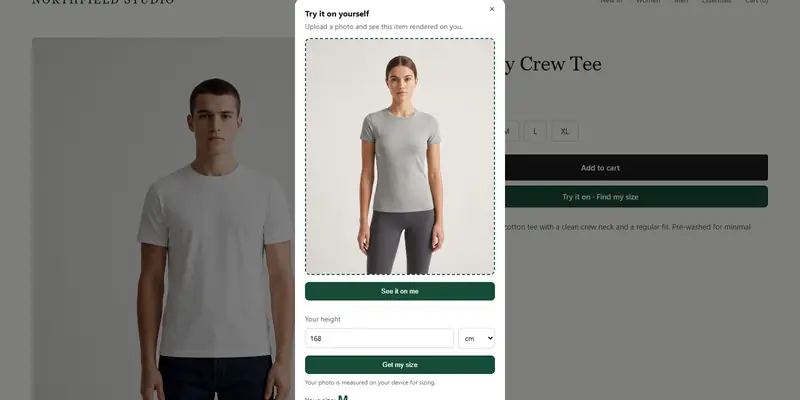
Returns for fit are the part you can influence. Show body measurements, add fit notes and give shoppers a size recommendation before they buy. ZeDaq.ai offers virtual try-on and a 30-second body scan that is matched to your own size chart. The article on how virtual try-on affects clothing returns looks at the evidence and its limits.
Help shoppers pick the right size first time
FAQs
When should I hire peak season returns staff?
Before the first returns arrive, not after. Train them on one task so they are productive quickly.
Should I extend my return window in peak season?
That is a business decision. A longer window can encourage orders but moves returns later, so plan staffing for the longer tail.
How do I avoid running out of space?
Plan zones by stage and clear the hold area on a schedule. Make a decision on every item rather than leaving it in a box.
Can I outsource returns processing?
Yes, some providers handle it. Ask for current terms and test with a small batch first.
Try ZeDaq.ai free
Virtual try-on and Find my size for your store, plus client, order and invoicing tools for tailors, in one subscription.