Native Wear for Men: Building an Online Menswear Label in Nigeria
By the ZeDaq.ai team · · 4 min read
On this page
- Which products should a new menswear label start with?
- How do you build a brand men remember?
- How should you size men's native wear?
- What should your product photos and videos show?
- How do you price native wear for local and diaspora buyers?
- Why move from Instagram DMs to a website?
- How can ZeDaq.ai help men find their size online?
To build an online menswear label for native wear in Nigeria, start with a small, focused range, such as kaftans and senator suits, size it with a clear chart, and sell it through a website that answers fit questions before men reach for WhatsApp. Men tend to buy again from a label once they know their size, so getting fit right early pays off for years.
This guide covers range, branding, sizing, photos, pricing and the move from Instagram to your own store. For the wider strategy on fit and try-on for African fashion, read our guide to virtual try-on for African fashion brands.
Which products should a new menswear label start with?
Start narrow. A small range is easier to produce well, size correctly and photograph consistently.
| Style | Typical occasions | Fit difficulty |
|---|---|---|
| Kaftan | Fridays, church, casual events | Lower: relaxed cut |
| Senator suit | Office, weddings, family events | Medium: tailored top and tapered trousers |
| Agbada set | Weddings, chieftaincy, big celebrations | Higher: three pieces, often custom |
| Dashiki and casual shirts | Weekends, cultural days abroad | Lower |
| Fila caps | Paired with any set | Head size only |
Many labels begin with kaftans and senators in ready-to-wear sizes, then offer agbada as made-to-order. That keeps stock simple while you learn what sells.
How do you build a brand men remember?
Men's native wear in Nigeria is a crowded market, from Lagos Island tailors to big-name labels. You need a clear reason to choose you.
- Pick a lane. Minimal and modern, rich embroidery, budget office wear, or premium occasion wear.
- Name your fits. "Classic," "Slim" and "Relaxed" are easier to remember than style codes.
- Keep a consistent look. The same lighting, backdrop and model style across every photo.
- Tell your story. Where you sew, who your tailors are and how you finish each piece.
How should you size men's native wear?
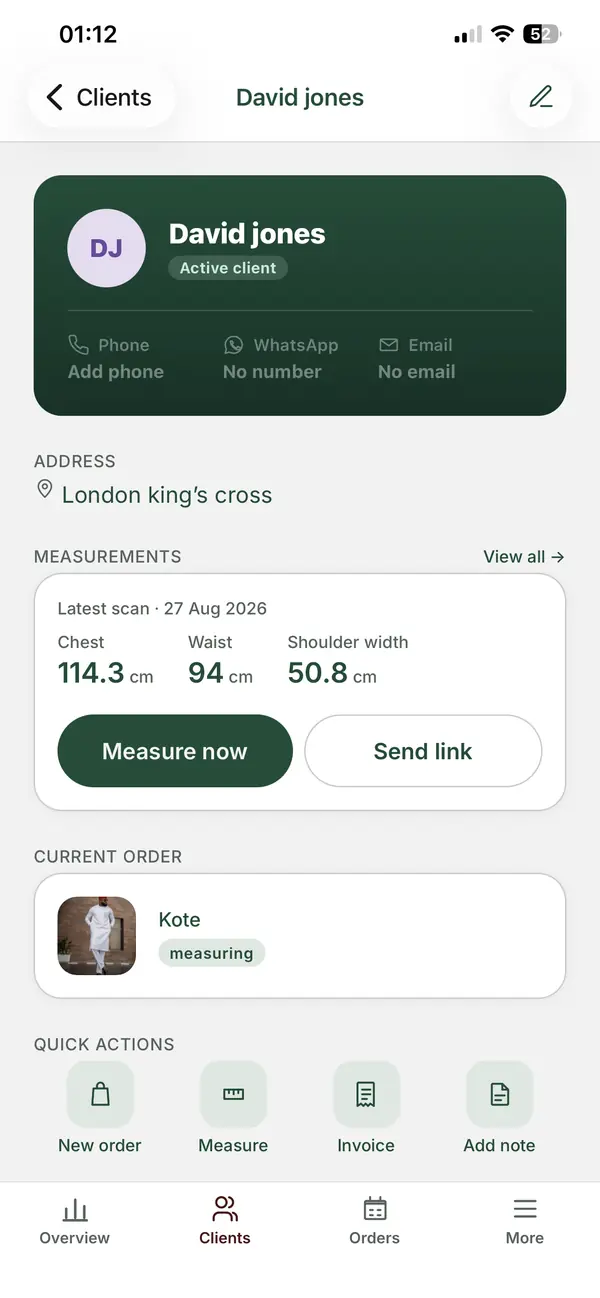
Size with body measurements, not just S to XXL. Men want to know their chest, stomach and length will fit.
- Chest sets the size for kaftans and senator tops.
- Stomach matters more than many brands realize. A straight senator cut pulls across a fuller stomach.
- Top length depends on height, so add "best for height" ranges.
- Waist, thigh and trouser length set the sokoto or trouser fit.
Fit notes under the size selector make a big difference. For example: "Slim fit. If you carry weight around the middle, size up." If your range grows into extended sizes, our guide to building a plus-size brand in Nigeria covers how to grade larger patterns.
What should your product photos and videos show?
Men shopping on their phones look for detail. Show:
- A full-length front shot, with the model's height and size in the caption.
- Side and back views, so the drape and length are clear.
- Close-ups of embroidery, buttons and the neckline.
- A short video of the model walking or turning.
- The outfit with matching cap and footwear, so the full look is easy to copy.
Shoot in daylight or soft light. Dark colors such as black, navy and wine lose texture in harsh lighting.
How do you price native wear for local and diaspora buyers?
Price from your real costs: fabric, labor, embroidery, packaging and your time. Then check the market, and decide where your label sits.
Diaspora buyers in the UK and US often expect to pay in pounds or dollars, and they pay for international delivery on top. Decide whether you show separate prices for them or one price converted at checkout, and keep it consistent. Don't let exchange-rate changes eat your margin; review prices regularly.
Women's lines often follow, especially for couples' sets. Our guide to selling Ankara dresses to Nigerian shoppers covers that side of the market.
Why move from Instagram DMs to a website?
Instagram is great for discovery. But when every sale happens in DMs, you answer the same size questions again and again, and orders get lost in chats.
A website gives you:
- A product page with your size chart and fit notes on every item.
- Filters by style, color and size.
- A checkout that takes payment without back-and-forth.
- Order records you can search later.
Keep Instagram and WhatsApp for marketing and customer care, and send buyers to your site to order.
How can ZeDaq.ai help men find their size online?
ZeDaq.ai adds a "Find my size" button and virtual try-on to your store. The shopper uploads one photo and types his height, and a 30-second body scan matches his measurements to the size chart you enter. He can also see your real kaftan or senator suit on his own body before he buys. For how this works across suits, shirts and trousers, see our guide to size recommendation for menswear stores.
Try ZeDaq.ai free for 3 days
FAQs
What should a new men's native label sell first?
Kaftans and senator suits are a practical start. They are popular, easier to size than agbada and sell year-round.
Do men really check size charts?
Many do, especially for tailored senator suits. A clear chart and fit notes reduce DMs and exchanges.
Should I sell agbada ready-to-wear or made-to-order?
Most new labels start with made-to-order agbada. It has three pieces and more fit points, so custom sizing is safer.
How do I stand out in a crowded market?
Pick a clear style, name your fits and keep your photos consistent. Men return to labels whose fit they trust.
Try ZeDaq.ai free
Virtual try-on and Find my size for your store, plus client, order and invoicing tools for tailors, in one subscription.

