Letter Sizes, Number Sizes or Measurements: What Should a Nigerian Brand Use?
By the ZeDaq.ai team · · 4 min read
On this page
A Nigerian brand should use letter sizes or number sizes as the label, and always show body measurements behind them. Letters suit loose and stretchy pieces, numbers suit fitted womenswear, and measurements are what actually tell the shopper whether something will fit.
The question isn't really "letters or numbers." It's which label fits each garment type, and how clearly you show the numbers underneath. This guide helps you decide, with examples from common Nigerian styles. It sits within our wider guide to try-on and sizing for African fashion.
What is the difference between the three systems?
Each system tells the shopper something different.
| System | Example | What it tells the shopper | Main weakness |
|---|---|---|---|
| Letter sizes | S, M, L, XL | A rough band of body sizes | Wide ranges, meaning varies by brand |
| Number sizes | 8, 10, 12, 14 | A narrower step between sizes | Shoppers confuse UK, US and local numbers |
| Measurements only | Bust 96, waist 78, hip 104 | Exact body fit | Takes more effort to read and choose |
In practice, most brands combine a label with measurements. The label is for quick browsing. The measurements are for making the final choice.
When do letter sizes work best?
Letters work when a garment has room to forgive small differences:
- Kaftans and boubous
- Oversized shirts and tunics
- Stretch knit tops and loungewear
- Unisex T-shirts and hoodies with your brand print
Because each letter covers a wide range, you need fewer sizes. That means less stock tied up, which matters when you're producing small batches in Lagos or Aba.
The trade-off is precision. A customer between M and L has no middle option, so add a fit note such as "relaxed fit, size down if between sizes."
When do number sizes work best?
Numbers suit fitted womenswear, where small differences matter:
- Fitted Ankara gowns and mermaid skirts
- Corset bodices and structured Aso-ebi styles
- Pencil skirts and tailored trousers
- Peplum tops with a defined waist
Each number covers a narrower range, so the shopper can choose more accurately. You'll need more sizes in stock, though, and you must be clear about which numbering you use.
If you use UK numbers, say "UK sizing" on every product. If you use your own numbering, say so. Diaspora buyers will otherwise assume their home country's numbers.
When should you lead with measurements?
Lead with measurements, rather than a label, for:
- Made-to-order pieces. The customer gives their numbers, and you cut to fit.
- Bridal and Owambe statement pieces. Fitted styles where a label is too rough.
- Menswear tailoring. Senator suits and agbada sets often use chest and waist in inches.
Even here, a label still helps. A short "this is roughly a size 12" line gives the shopper something familiar to hold onto.
How do you decide for your own range?
Work through these questions for each garment type:
- How fitted is it? Loose means letters. Close-fitting means numbers or measurements.
- Does the fabric stretch? Stretch fabric forgives more, so letters often work. Our guide to sizing stretch and non-stretch Ankara and Adire covers this in detail.
- Who buys it? Local shoppers know your labels. Diaspora shoppers need UK or US references.
- How many sizes can you stock? Fewer sizes favor letters.
- Is it ready-to-wear or made-to-order? Made-to-order favors measurements.
Here is a worked example for a womenswear brand selling in Abuja and to the UK:
| Product | Fit | Fabric | System chosen |
|---|---|---|---|
| Ankara kaftan | Loose | Cotton wax print | Letters: S to XXL |
| Adire shirt dress | Semi-fitted | Cotton | Letters with measurements |
| Fitted Aso-ebi gown | Close | Lace with lining | Numbers: 8 to 20, UK sizing stated |
| Bridal reception dress | Close | Mixed | Measurements, made to order |
You can mix systems across your range. Just keep each product consistent.
Can you show more than one system at once?
Yes, and for many brands this works well. A typical product page might show "M (UK 12 to 14)" with a full chart of bust, waist and hip below.
Keep it tidy. Two labels and one measurement chart is plenty. More than that and shoppers stop reading.
For more on laying out the chart itself, read our guide to writing size guides that cut returns.
How does a size tool work with your chosen system?
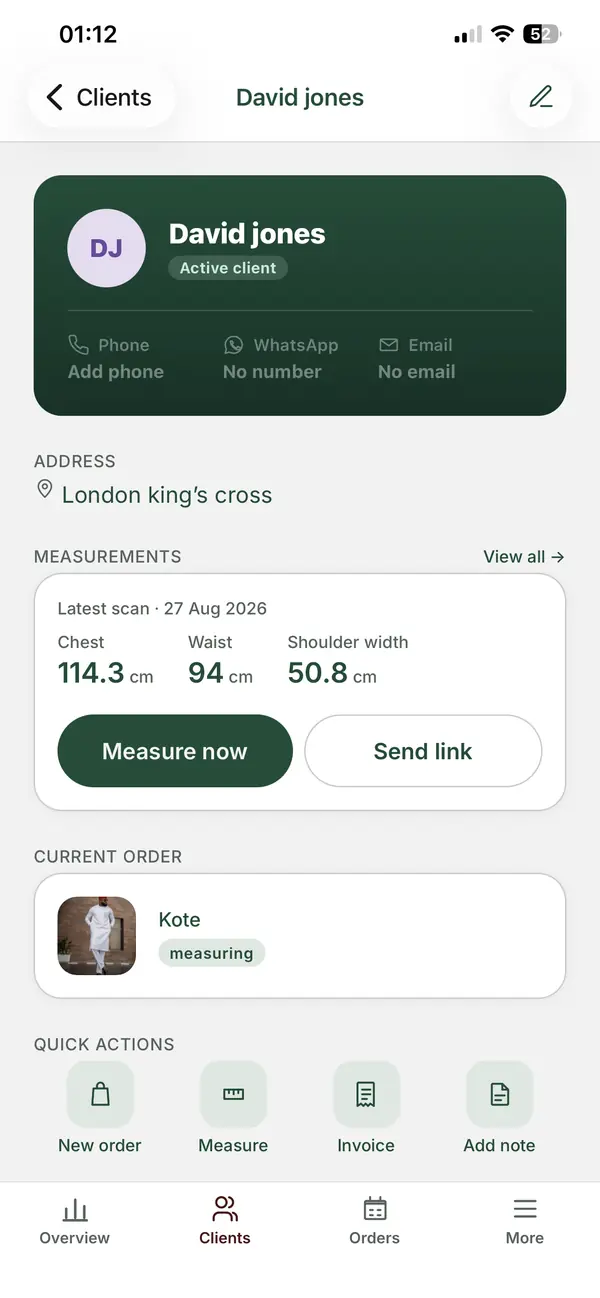
Size tools that match measurements to your chart work with any label you choose. ZeDaq.ai lets you enter your own size chart per garment type, using your own labels, whether that's "M" or "14."
The shopper uploads one photo, enters their height, and the scan matches their measurements to your chart. It then shows your label. The steps are in our guide to adding your own size chart. Every paid plan has a 3-day free trial with no card required.
Match shoppers to your own size labels
FAQs
Do Nigerian shoppers prefer letters or numbers?
It depends on the product and the customer. Ask your own buyers, or check which sizes they quote most often in your DMs.
Should XL and above have their own chart?
Not usually. Keep one chart per garment type, but make sure the larger sizes are graded with your real customers in mind.
Is "free size" a good idea?
It works for very loose pieces such as wrappers and some kaftans. For anything with a waist, it usually leads to fit complaints.
Can I switch systems later?
Yes, but tell returning customers clearly. A short note on the product page avoids confusion during the change.
Try ZeDaq.ai free
Virtual try-on and Find my size for your store, plus client, order and invoicing tools for tailors, in one subscription.