Handling "Not What I Ordered" Complaints
By the ZeDaq.ai team · · 5 min read
On this page
Handling "not what I ordered" complaints well means three things: respond quickly and calmly, check the order against what you showed the customer, and offer a fair fix before the chat turns into a public post. Then change your photos, descriptions and size guidance so fewer of these complaints arrive in the first place.
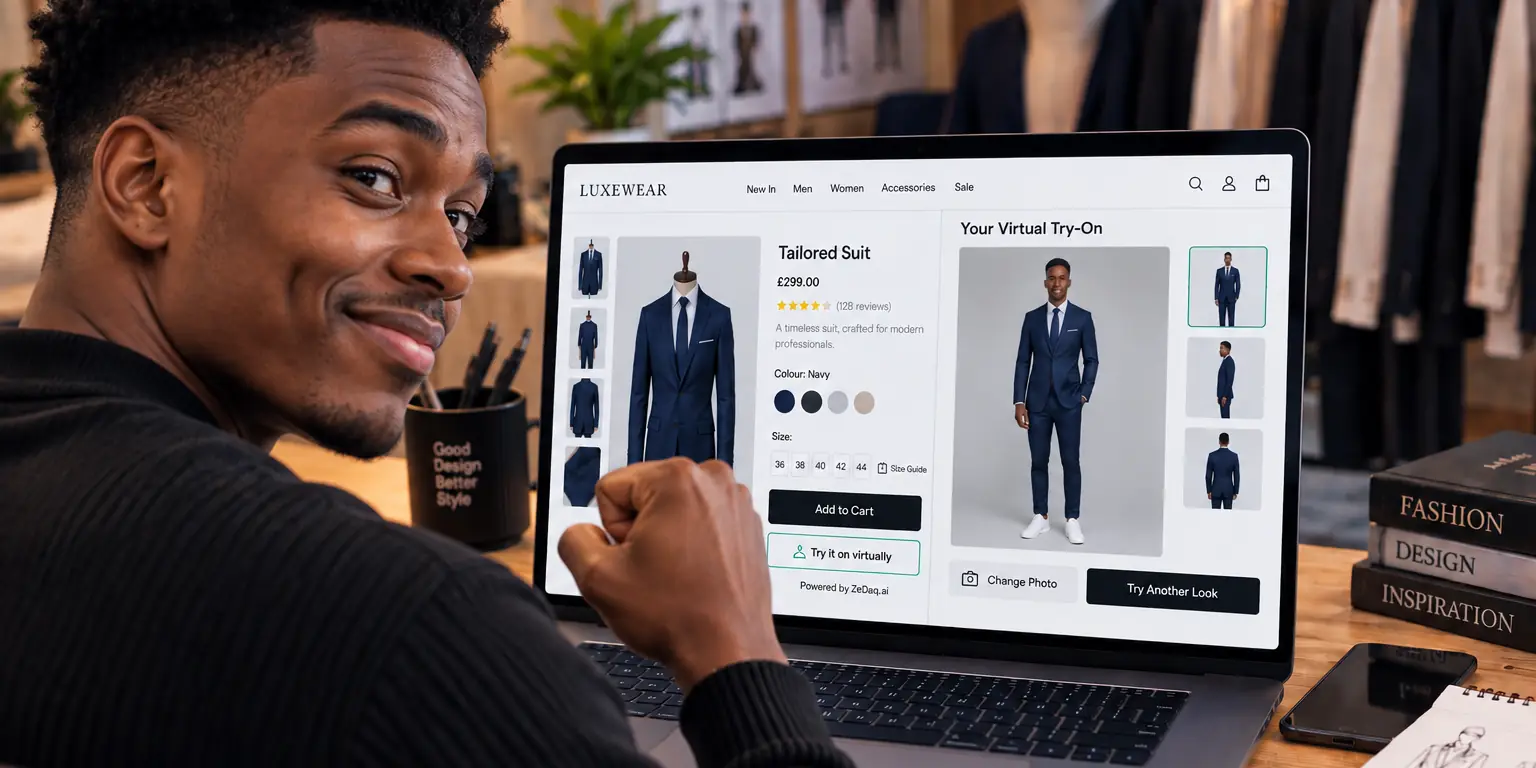
Every Nigerian fashion brand that sells on Instagram or WhatsApp has seen the "what I ordered vs. what I got" post. Most of these complaints come from a gap between what the customer pictured and what arrived. Closing that gap is easier when shoppers can see the garment on their own body first, which is what virtual try-on for African fashion brands is built for.
Why do customers say "this is not what I ordered"?
The complaint sounds like one problem, but it usually hides one of five:
| What the customer says | What usually happened | Where to fix it |
|---|---|---|
| "The color is different" | Phone screen, lighting or a filter changed how the fabric looked | Photos and description |
| "It doesn't fit like the model" | The model's size and height were not stated | Product page and size guide |
| "The fabric feels cheap" | Weight, stretch or lining were not described | Description |
| "The style is different" | A design detail changed during production | Production checks |
| "I got the wrong item" | A packing or labeling error | Packing process |
Before you reply, work out which one you are dealing with. The fix for a packing error is different from the fix for a color complaint.
How should you reply when the complaint arrives?
Reply within the same day if you can. A calm, quick reply keeps the conversation private and stops it from turning into a story.
- Thank them and ask for photos. "Thank you for telling us. Please send a photo of the item in daylight, so we can check it properly."
- Compare with your records. Pull up the order, the photos you posted and the measurements or size you agreed on.
- Say what you found, honestly. If you made a mistake, own it. If the item matches the listing, explain the difference kindly, for example how phone lighting changes Ankara colors.
- Offer a fair fix. Choose from an exchange, an alteration, store credit or a refund, depending on your policy and what went wrong.
- Confirm next steps in writing. Send a short summary on WhatsApp with dates, so nothing is forgotten.
Keep your tone respectful even when the customer is upset. You are not trying to win an argument. You are trying to keep a customer.
When is it fair to refuse a refund?
Have a written returns policy and share it before the customer pays. Then you can point to it calmly when needed.
Common reasons brands decline a return include:
- The item was custom-made to measurements the customer supplied.
- The item was worn, washed or altered.
- The complaint arrived long after delivery, outside your stated window.
Even then, think about what the relationship is worth. An alteration or a small discount on the next order can keep a customer who would otherwise leave a public complaint.
If a customer believes a brand has treated them unfairly, they can contact the Federal Competition and Consumer Protection Commission. A clear policy and honest listings protect you as well as the shopper.
See how shoppers check a garment on themselves
Try it on yourself
Live renderUpload a photo, pick a piece, see it rendered on you.
Pick something to try on
How do you stop color complaints?
Color is the most common source of "not what I ordered" posts for Ankara, Adire and Aso-oke pieces.
- Shoot in daylight. Natural light near a window shows fabric more truly than a ring light.
- Turn off filters. Beauty filters and color effects change the fabric as well as the skin.
- Add a close-up. Show the fabric texture and pattern scale next to a common object.
- Describe the color in words. "Deep wine, darker than it looks in the first photo" sets expectations.
- Warn about batch variation. Hand-dyed fabrics can vary between batches, so say so on the product page.
How do you stop fit and style complaints?
Fit complaints often start with the customer guessing their size. Help them choose before they pay.
- State the model's height and size under every photo.
- Publish a size chart with body measurements, not just S, M and L.
- Write a fit note, such as "relaxed fit, size down for a closer look."
- Recommend a size. A tool that matches the customer's body to your chart removes the guesswork.
With ZeDaq.ai, shoppers upload one photo and see your real garment on their body. A 30-second scan with one photo plus their height suggests a size from your own chart. That helps a diaspora buyer in London check a set before it ships from Lagos.
For style complaints, check finished pieces against the approved design before packing. A missing detail costs less to fix in your workshop than after delivery.
How do you keep track of complaints?
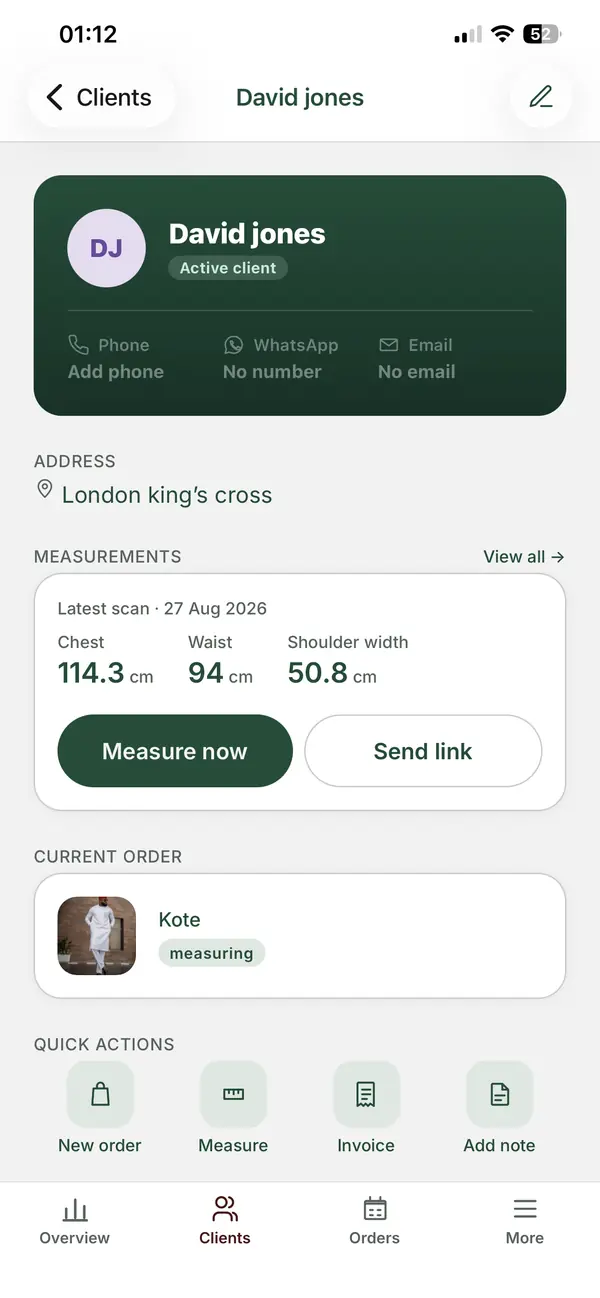
Record every complaint in your customer list with the date, the item, what went wrong and how you fixed it. Patterns show up quickly. If three customers in a month say the same dress runs small, the problem is your size chart, not the customers. Our guide to building a customer list for a boutique shows how to set that record up.
Complaints also reveal stock problems. If a wrong item keeps going out, your storage and labeling may need work. The guide to inventory management for a small brand covers how to label and track stock by size.
Fit issues are the biggest share of returns for many fashion stores. Our article on where fit-related returns come from goes deeper into causes and fixes.
Let shoppers see the garment on themselves first
FAQs
Should I reply to a public complaint on Instagram?
Yes, briefly and politely. Thank the customer, say you are sorting it out, and move the details to DMs or WhatsApp.
Do I have to refund a custom-made outfit?
That depends on your written policy and what went wrong. If the error was yours, such as wrong measurements used, a fix or refund is fair.
How can I prove what I sent?
Take a quick photo or video of each order while packing, showing the item and the label. It helps settle disputes and catches packing mistakes.
What if the customer's phone shows colors differently?
Explain this kindly and send a daylight photo of the same fabric. Then add a clearer color description to the listing for future buyers.
Try ZeDaq.ai free
Virtual try-on and Find my size for your store, plus client, order and invoicing tools for tailors, in one subscription.