Adire Variation and Sizing: Setting Shopper Expectations Online
By the ZeDaq.ai team · · 5 min read
On this page
To set shopper expectations for adire online, say clearly that every hand-dyed piece varies in color and pattern, show several real examples of the same design, and give sizes in body measurements with a fit note. When buyers know the variation is part of the craft, they are far less likely to feel the item is "not what I ordered."
Adire is made by hand, often with resist methods such as tying, stitching or hand-painting starch before dyeing. No two pieces come out exactly alike. That is its value, but it can surprise a buyer who expects a factory print. For how fit and try-on work for African fashion more broadly, see our guide to virtual try-on for African fashion brands.
Why does adire vary from piece to piece?
Each piece goes through steps a person controls by hand. Small changes at each step show in the final fabric:
- Dye strength. Each dye bath can come out a little lighter or darker.
- Folding and tying. The pattern moves slightly every time the cloth is tied or stitched.
- Resist application. Hand-painted or stenciled starch never lands in exactly the same place.
- Drying and washing. Sun, time and rinsing affect the final shade.
- Cutting. When a garment is cut from a length of fabric, the pattern falls differently on each piece.
Explain this in simple words on your product page. Buyers who understand the process often value the variation more.
How should you describe variation on a product page?
Put a short variation note near the price, not at the bottom of the page. Here is a template you can adapt:
Each piece is hand-dyed in our studio. Color and pattern will vary from the photos. Your piece will be unique, with the same design and similar tones.
Then add specifics for that product:
| Detail | Example wording |
|---|---|
| Color range | "Shades range from mid blue to deep indigo" |
| Pattern | "Circle pattern, placement differs on each piece" |
| Fabric | "100% cotton, softens with washing" |
| Care | "Hand wash cold, separately, dry in shade" |
| Color transfer | "May release some dye in the first washes" |
Only write a care or color-transfer note you have tested on your own fabric.
What photos help buyers accept variation?
The best way to explain variation is to show it.
- Show two or three finished pieces of the same design side by side, so buyers see the range.
- Shoot in daylight with no filters, so the colors are true.
- Add a close-up of the dye texture and edges.
- Show the garment on a model, with their height and size in the caption.
- Label your main photo as "example piece" if the buyer will not receive that exact one.
If you sell one-of-a-kind pieces, photograph each one and sell it as its own listing. Buyers then get exactly what they see.
How do you size adire garments?
Variation is about color and pattern. Size should not vary. Buyers can accept a different shade, but not a different fit.
- Use one pattern per style and size, and measure every finished piece against it.
- Pre-wash or test-wash the fabric before cutting, so shrinkage does not change the fit later.
- Write your size chart in body measurements, not garment widths.
- Add a fit note: "relaxed fit, true to size" or "boxy, size down for a closer fit."
If your adire is cut into Ankara-style dresses, our guide to selling Ankara dresses online covers style names and photo checklists. For a full method of writing size charts, read how to write size guides that reduce returns.
What should your exchange policy say?
A clear policy protects both sides. Separate color and pattern from fit:
- Color or pattern variation: say this is part of hand-dyed work and is not a reason for return, if that is your policy.
- Wrong size: say whether you offer an exchange or an alteration, and who pays for delivery.
- Faults: say how buyers should report a defect, such as a tear or a seam that opens.
Put the policy link on every product page and in the order confirmation on WhatsApp or email.
How do group orders work with hand-dyed fabric?
Adire is popular for family events, so you may get group orders where everyone expects to match. Tell the coordinator early that pieces will vary slightly in shade. If a close match matters, dye the whole order in one batch.
Group sizing has its own challenges. Our guide to collecting sizes for Aso-ebi group orders shows how to gather everyone's measurements in one place.
How can buyers check fit before they order?
When the color is a surprise by design, the fit should never be. Giving buyers a reliable size helps them focus on enjoying the piece.
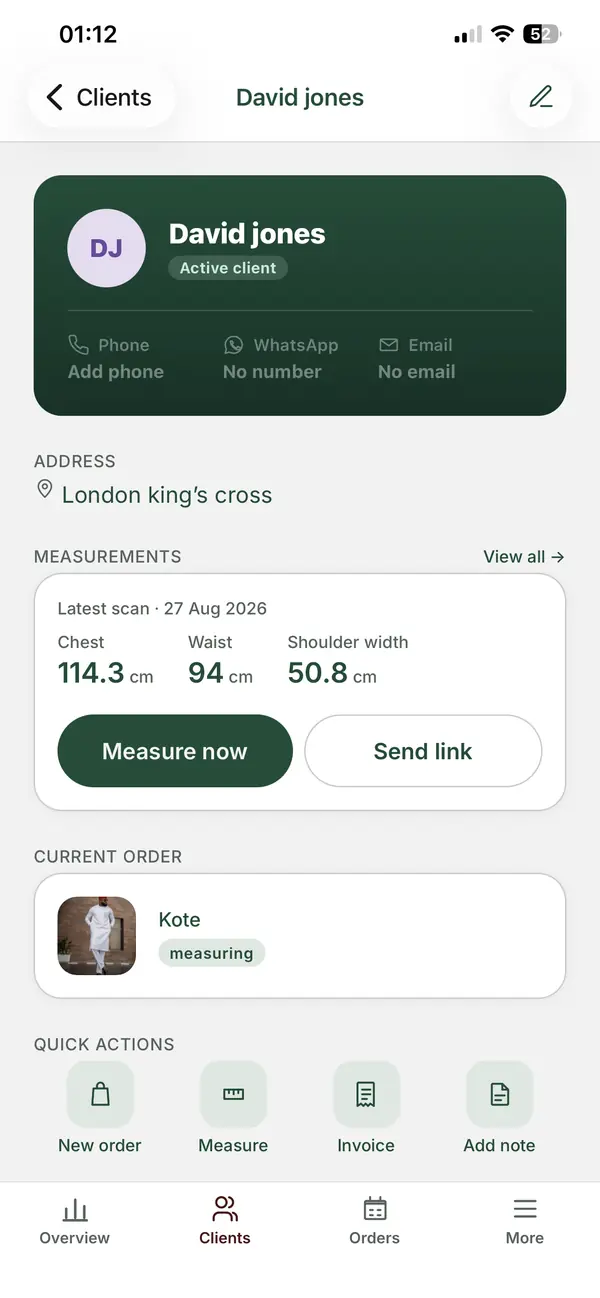
ZeDaq.ai adds virtual try-on and size recommendation to your store. A shopper uploads one photo and sees your real garment on their body. A 30-second body scan (one photo plus height) suggests a size from your own size chart. It works as a Shopify app, and as a script-tag widget for WooCommerce, Wix and custom sites.
There is a Free plan with 3 try-ons a month. Paid plans start at $14 a month, and every paid plan has a 3-day free trial with no card required.
Give adire buyers a size they can trust
FAQs
Should I call adire variation a defect?
No. Describe it as part of the hand-dyed process. Reserve the word "defect" for real faults such as holes or broken seams.
Can I promise an exact color match?
Not for hand-dyed work. You can promise the same design and similar tones, and dye a group order in one batch for a closer match.
Does adire shrink?
Cotton fabrics can shrink when washed. Test-wash your fabric, and cut garments after washing, so your size chart stays accurate.
Should every adire piece have its own listing?
For one-of-a-kind pieces, yes. For a repeated design, one listing with an "example piece" note and several photos works well.
Try ZeDaq.ai free
Virtual try-on and Find my size for your store, plus client, order and invoicing tools for tailors, in one subscription.

