
VAT for Nigerian Fashion Brands: When to Register With FIRS
By the ZeDaq.ai team · · 5 min read
On this page
- What is VAT and why does it matter to a fashion brand?
- How do you know when you have to register?
- What records should you keep before you register?
- How should you price once VAT applies?
- What else should you register for?
- How do invoices handle VAT and foreign currencies?
- How can ZeDaq.ai help you keep tidy records?
Nigerian fashion brands should register for VAT when the current federal tax rules say their business must, and the only safe way to know that is to check the official tax authority's guidance and confirm it with an accountant. Many older guides refer to FIRS. Today, start with the federal tax authority's official site at nrs.gov.ng, because rates, thresholds and exemptions change.
This article doesn't quote a rate or a threshold, on purpose. Tax rules move, and a wrong figure on a blog can cost you money. Instead, it shows you how to get your sales records, prices and invoices ready so the VAT question is easy to answer. Clean records also make the rest of your brand easier to run, from stock to virtual try-on for African fashion brands on your online store.
This is general information, not legal or tax advice. Confirm your position with a qualified accountant or tax adviser.
What is VAT and why does it matter to a fashion brand?
VAT (value added tax) is a tax charged on the sale of goods and services. A registered business adds it to the price, collects it from the customer and pays it to the tax authority.
For a fashion brand, VAT affects three things:
- Your prices. You need to know whether the price on Instagram includes VAT or not.
- Your invoices. Invoices to customers and corporate clients may need to show VAT separately.
- Your cash. VAT collected is not your money. It must be set aside and paid on time.
Ready-to-wear sales, custom tailoring and fabric sales may not all be treated the same way. Ask your adviser how each part of your business is treated.
How do you know when you have to register?
Work through these questions with your accountant:
- What is your total sales figure over the last twelve months? Include Instagram, WhatsApp, walk-in, website and diaspora sales.
- What do current federal rules say about registration for a business like yours? Your accountant should point you to the official guidance.
- Do any of your products or services have special treatment? Ask about clothing, fabric, tailoring services and exports separately.
- Do your corporate clients need VAT invoices? Some buyers, such as companies ordering uniforms, may ask for them.
- Do you sell to customers abroad? Exports and sales to diaspora buyers may raise extra questions.
Write down the answers and the date. Rules change, so review them every year.
What records should you keep before you register?
Good records make registration simple and protect you if the tax authority asks questions.
| Record | What to keep | Where |
|---|---|---|
| Sales | Date, customer, item, amount, payment method | Sales sheet or invoicing app |
| Expenses | Fabric, trims, tailor wages, rent, data, delivery | Expense sheet with receipts |
| Bank statements | Business account only | Downloaded monthly |
| Invoices | Every invoice sent, numbered in order | Invoicing app or folder |
| Diaspora sales | Currency, amount and the naira value you received | Same sales sheet, extra column |
Keep business and personal money in separate accounts. Mixing them is the most common reason small brands can't show their real sales figure.
How should you price once VAT applies?
Decide whether your prices include VAT and say so clearly. Customers in Lagos and Abuja are used to seeing one price on Instagram, so a surprise addition at checkout causes complaints.
Two common approaches:
- VAT-inclusive pricing. The posted price already includes VAT. Easier for retail customers, but your margin shrinks unless you adjust.
- VAT-exclusive pricing. You show the price before VAT and add it on the invoice. Common for corporate orders and uniforms.
Whatever you choose, update your price list, website and invoice templates at the same time.
What else should you register for?
VAT sits alongside other registrations. You will usually need a tax identification number first. Our guide to getting a TIN for a small fashion business covers how to prepare for it.
If you are still deciding on your brand's structure or protecting its name, see our guide to registering a fashion trademark. Do the paperwork in a sensible order so your business details match across every document.
How do invoices handle VAT and foreign currencies?
If you bill diaspora customers in pounds or dollars, your invoices need to be clear about the currency and, once you are registered, about VAT. Ask your accountant how to record the naira value of foreign-currency sales.
Our guide to multi-currency invoicing for diaspora clients explains how to set up invoices for buyers in London, Houston or Toronto.
How can ZeDaq.ai help you keep tidy records?
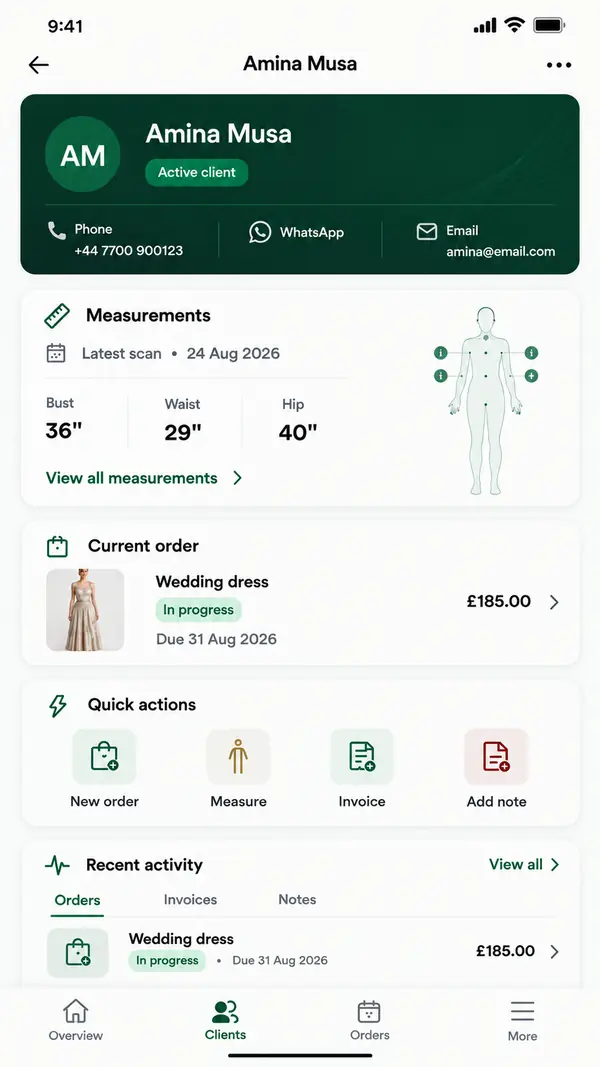
ZeDaq.ai doesn't file tax returns, but it helps you keep the records your accountant will ask for. You can create invoices in multiple currencies, including NGN, GBP and USD, and keep client records, measurements and orders in one place, on the web or in the ZeDaq Business app.
The Free plan includes 5 invoices a month. Paid plans start with Micro at $14 a month, and every paid plan has a 3-day free trial with no card required.
Try ZeDaq.ai free for 3 days
FAQs
Is VAT charged on clothing in Nigeria?
Treatment can depend on the product and current rules. Check the official tax authority's guidance and ask your accountant about each type of item you sell.
Can I register for VAT before I have to?
Ask your accountant. Registering early can suit brands selling to companies, but it also means filing returns, so weigh the extra admin.
What happens to VAT on sales to diaspora customers?
Sales abroad can be treated differently from local sales. Your accountant should confirm how to treat them and what records to keep.
Do I need a separate bank account for VAT?
It's not always required, but setting VAT aside in a separate account helps you avoid spending money that belongs to the tax authority.
Try ZeDaq.ai free
Virtual try-on and Find my size for your store, plus client, order and invoicing tools for tailors, in one subscription.

