The Nigerian Fashion Market: What the Data Actually Shows
By the ZeDaq.ai team · · 5 min read
On this page
The honest answer about the Nigerian fashion market is that reliable, public data on its size is thin, and many figures shared online can't be traced to an original source. What the data does show clearly is the size of the digital audience that fashion brands sell to, and that is the more useful number for most small brands.
This guide separates sourced facts from repeated claims, explains how to test a market-size figure before you use it in a pitch, and shows how to build the data that matters most: your own. If you sell online, the same audience can also try your clothes on virtually, as our guide to virtual try-on for African fashion brands explains.
What does sourced data say about Nigeria's online audience?
The clearest recent figures come from DataReportal's Digital 2025: Nigeria report. It reports 107 million internet users in Nigeria in January 2025, an internet penetration rate of 45.4 percent of the population.
The same report counts 150 million cellular mobile connections at the start of 2025, equal to 64.0 percent of the population, based on GSMA Intelligence data, per DataReportal.
It also reports 38.7 million social media user identities in January 2025, equal to 16.4 percent of the population, according to DataReportal's Nigeria report. DataReportal notes that user identities may not represent unique individuals.
| Measure (January 2025) | Figure | Source |
|---|---|---|
| Internet users | 107 million | DataReportal |
| Internet penetration | 45.4 percent of population | DataReportal |
| Cellular mobile connections | 150 million | DataReportal |
| Social media user identities | 38.7 million | DataReportal |
For a fashion brand, the message is simple. A large share of potential customers is online, mostly on mobile, so your product pages, photos and sizing need to work on a phone.
Why is the fashion market size so hard to pin down?
Several things make Nigerian fashion hard to measure:
- Much of the trade is informal. Tailors, market traders in Balogun or Ariaria and Instagram sellers rarely report sales anywhere.
- Custom and ready-to-wear mix. A single tailor may sew Aso-ebi, sell fabric and resell ready-made pieces.
- Cross-border sales are scattered. Diaspora orders sent by courier or carried by relatives don't show up neatly in trade data.
- Definitions differ. Some reports count textiles and footwear, others only clothing, others include fabric imports.
The National Bureau of Statistics publishes official reports in its e-library. When we checked its homepage, it did not list a dedicated report on fashion or apparel sales. Search the library yourself for the latest releases.
How do you check a market-size figure before you use it?
You will see large fashion market figures in articles, pitch decks and social posts. Before you repeat one, test it:
- Find the original publisher. If a blog cites another blog, keep clicking until you reach the source or a dead end.
- Check the date. A figure from several years ago may describe a very different economy and exchange rate.
- Check the definition. Does it cover clothing only, or textiles, footwear and accessories too?
- Check the currency. A naira figure converted to dollars changes a lot as exchange rates move.
- Check the method. Was it a survey, a model or an estimate? Is the method described?
If you can't answer most of these questions, describe the market in words instead. "A large, mostly informal market with a growing online audience" is honest and still useful.
What data should a small fashion brand actually track?
National figures rarely change your next decision. Your own numbers do. Track these monthly:
| Your data | What it tells you |
|---|---|
| Sales by channel (Instagram, WhatsApp, website, walk-in) | Where to spend time and money |
| Sales by size | Which sizes to cut more of |
| Sales by city or country | Whether diaspora or out-of-state buyers are growing |
| Repeat customers | Whether customers come back |
| Exchanges and returns by reason | Where your size chart or photos mislead |
| Average order value | Whether bundles and sets are working |
Our guide to simple monthly reporting for fashion businesses shows how to fit these on one page.
How do regional markets differ?
Each region has its own strengths. Lagos brands often lead on online ready-to-wear and diaspora sales. Aba is known for garment and shoe production. Abuja boutiques serve office and occasion wear. Data broken down by city is scarce, so ask local associations and your own customers.
Our guide to Enugu and Aba brands going online looks at the eastern market. For buyer behavior rather than market size, see what surveys show about Nigerian online shopping.
How can you use this data in your own brand?
Use sourced digital figures to justify investment in your online presence. Use your own data to decide what to make, where to sell and how to size.
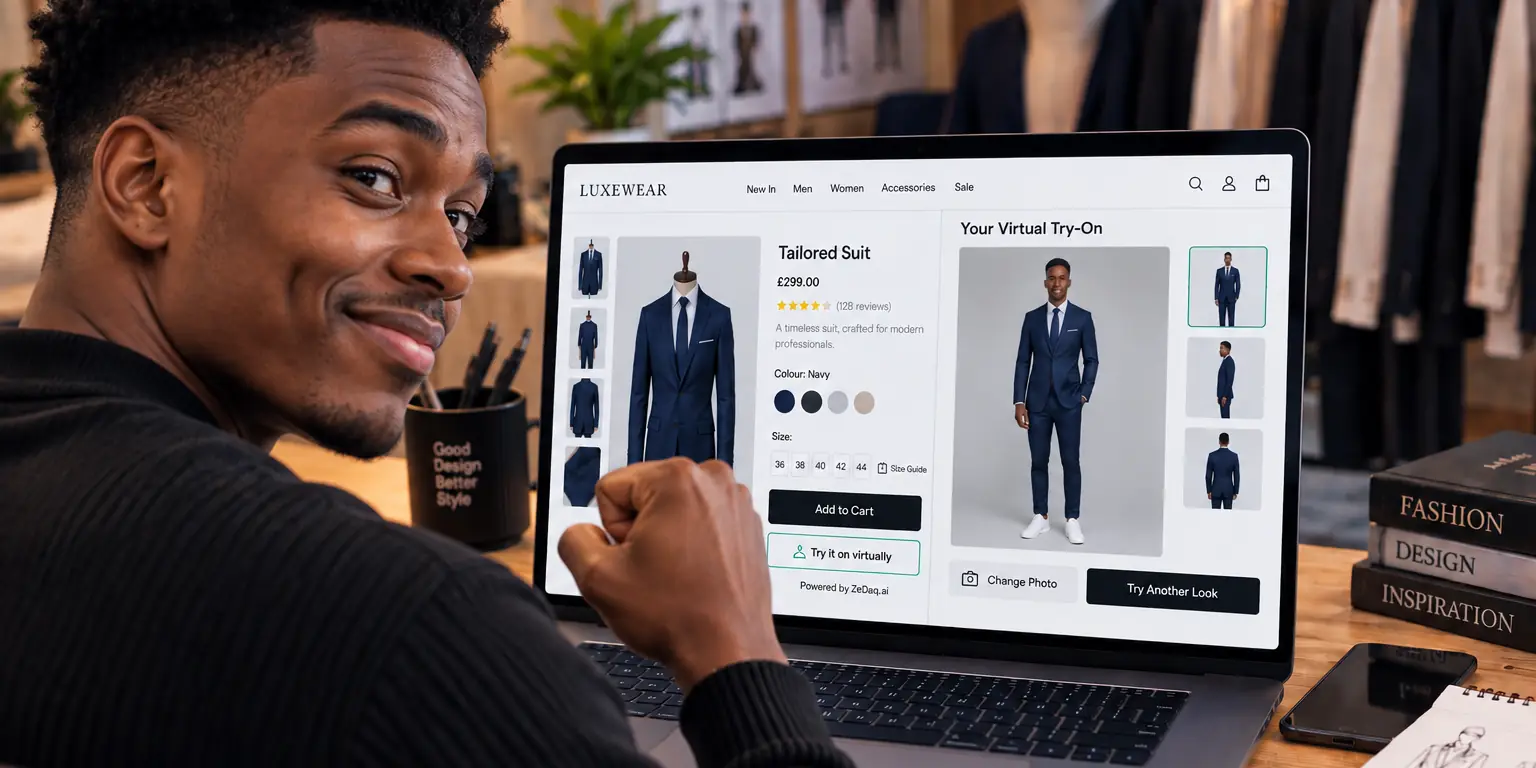
ZeDaq.ai helps phone-first shoppers choose with confidence. On your online store, shoppers upload one photo and see your real garment on their body, and a 30-second scan with their height recommends a size from your own chart. The Free plan includes 3 try-ons and 3 measurements a month, and every paid plan has a 3-day free trial with no card required.
Give phone shoppers a better way to choose
FAQs
Is there an official figure for the Nigerian fashion market size?
We couldn't find a dedicated official figure. Search the National Bureau of Statistics e-library for the latest reports, and check any private estimate's source and method.
Why do online articles quote such different market sizes?
They use different definitions, years, currencies and methods. Some figures are repeated without a traceable original source.
Can I use market-size figures in an investor pitch?
Yes, if you cite the original source and date. Investors will also want your own sales data.
Are social media user identities the same as people?
No. DataReportal notes that user identities may not represent unique individuals, since one person can have several accounts.
Try ZeDaq.ai free
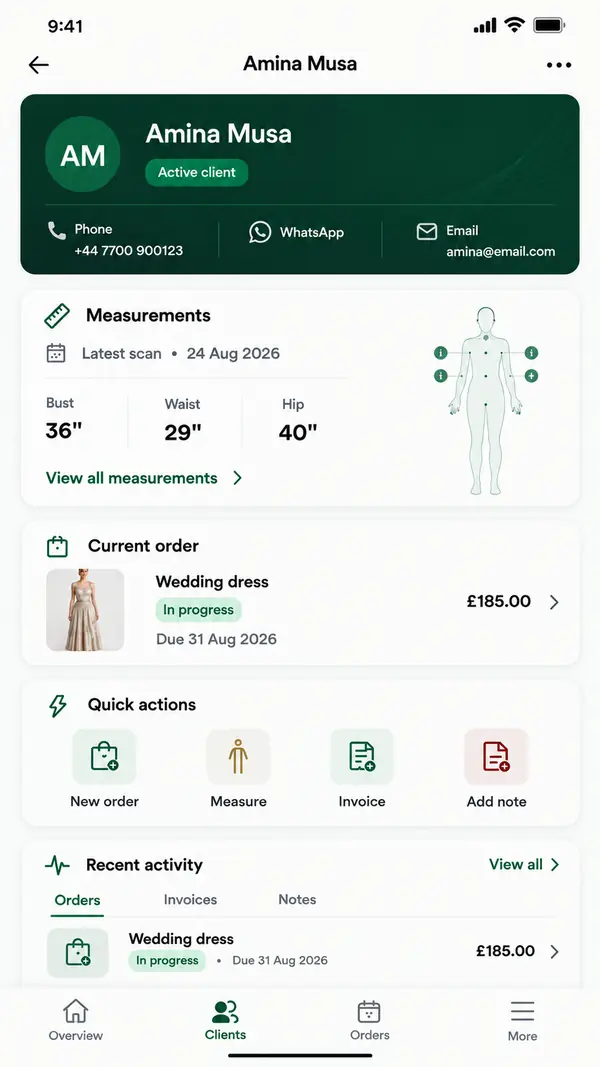
Virtual try-on and Find my size for your store, plus client, order and invoicing tools for tailors, in one subscription.

