Selling African Clothing Online in the UK
By the ZeDaq.ai team · · 4 min read
On this page
To sell African clothing online in the UK, show sizes in UK terms, explain the fabric and fit on every product page, publish clear delivery and returns terms, and help shoppers choose a size before they order. Print, cut and occasion matter, but shoppers will only buy if they trust the fit.
This guide is for brand owners selling ankara, kente, adire and similar pieces to UK shoppers. Virtual try-on for African fashion brands covers the technology side. This article covers the store basics.
Who is your UK customer?
Start with a clear picture. UK buyers of African fashion tend to fall into a few groups:
- Diaspora shoppers buying for weddings, naming ceremonies, church and cultural events.
- Guests invited to such events who are new to the style and unsure about fit.
- Everyday shoppers who like the prints and want modern cuts for work or travel.
Each group asks different questions. Diaspora shoppers may know exactly what an iro and buba should look like. A guest may not know whether to size up for a wrapped skirt.
Write product pages that answer the newest buyer's questions. Experts won't mind.
How should you show sizes to UK shoppers?
Show UK sizes first. Many shoppers think in UK sizes, and they may not know the sizing used by your workshop in Lagos or Accra.
Give body measurements next to each size, not only garment widths. Our guide to sizing for diaspora shoppers who think in UK and US sizes shows how to build that chart.
A good size section includes:
- A body-measurement chart in centimeters and inches.
- The model's height and the size she wears.
- A fit note, such as "runs fitted through the hips, size up if between sizes."
- A clear statement of whether the item is ready-to-wear or made to order.
Print and fabric affect fit. Stiff wax prints behave differently from soft cotton, which is why fit and sizing tips for African print fashion belong on the page too.
How do you help shoppers pick a size?
Even a good chart leaves shoppers unsure. A size recommendation tool closes that gap.
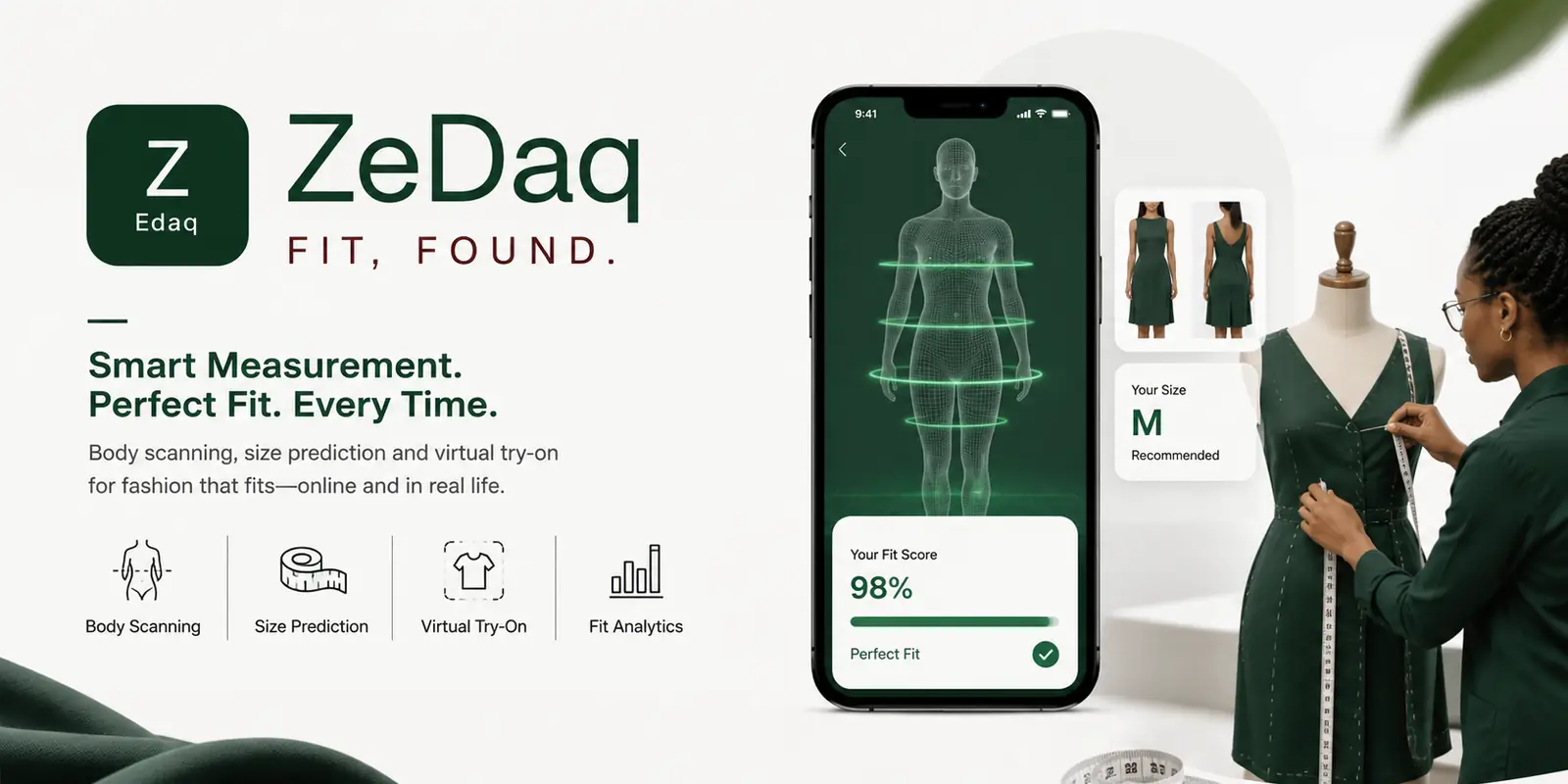
ZeDaq.ai does this with a 30-second body scan: the shopper uploads one photo and enters their height. The measurements are matched to your own size chart, one chart per garment type, with a generic UK/US/EU/AU chart as a fallback.
It also offers virtual try-on. The shopper uploads one photo and sees your real garment on their body. It is available as a Shopify app, a REST API, and a script-tag widget for WooCommerce, Wix, Squarespace, BigCommerce and custom sites.
See how a shopper sees your garment
Try it on yourself
Live renderUpload a photo, pick a piece, see it rendered on you.
Pick something to try on
What should a product page include?
Treat the page as the fitting room. A checklist:
- Photos from the front, back and side, plus a close-up of the print.
- Fabric details, such as fiber content and whether it has stretch.
- Care instructions.
- Lining, zips, ties and adjustability.
- Production time for made-to-order pieces.
- A short fit note that sets expectations.
If you offer custom sizes, explain how the shopper submits measurements. Selling made-to-measure clothing online covers that process in detail.
What delivery and returns terms should you state?
Be specific about delivery. Say where you ship from, how long it takes and which carrier you use. Give a tracking link and clear dates where you can.
For returns, GOV.UK says that when you sell online you must tell customers they can cancel their order up to 14 days after delivery. Read that page for how it applies to your products, and ask an adviser if you are unsure. This is general information, not legal advice.
Write your own policy in plain language. Say who pays for return postage, what condition items must be in, and how long refunds take.
If you ship from outside the UK, check how import duty applies before you promise prices. Our article on UK import duty on clothing shipped from Nigeria links to the official sources.
How do you set up the store itself?
Pick a platform that handles UK pounds, UK delivery rates and your tax settings. Shopify and WooCommerce are common choices, and both work with sizing tools.
Start with a short list of best-selling pieces rather than a full catalog. Photograph them well and write complete pages. Add more once you see what UK shoppers actually buy.
If you also sell in the US, the same pages need US sizes. See selling ankara clothing online to US shoppers for the differences.
How do you find UK customers?
Instagram and TikTok are the usual starting points for fashion. Show styling, behind-the-scenes sewing and real customers wearing your pieces, with permission.
Plan around event seasons. Weddings, graduations and cultural festivals all drive orders, and made-to-order pieces need lead time. Tell shoppers the last order date for each event.
Collect email addresses and WhatsApp contacts from the start, so you can reach buyers directly when a new collection drops.
Help UK shoppers pick the right size
FAQs
Do UK shoppers prefer UK sizing?
Many think in UK sizes, so show them first. Add body measurements so shoppers can check against their own numbers.
Should I offer made-to-order pieces?
You can, if you state the production time and the last order date for events. It helps with fit, but it changes your return terms.
Can virtual try-on show ankara prints?
It shows your real garment image on the shopper's body. Test it with your own prints using the demo, and judge the result yourself.
Do I need to charge VAT?
This guide doesn't cover tax. Check GOV.UK or ask an accountant about your own turnover and where you sell from.
Try ZeDaq.ai free
Virtual try-on and Find my size for your store, plus client, order and invoicing tools for tailors, in one subscription.

